Ugh. It’s morning. You’re in the kitchen, and upon sitting down with a cup of freshly brewed coffee, you discover a highway of ants loitering on the pastries you had laid out for breakfast! (there goes your lovely start to the day) While these insects can be fascinating to learn about, you’d instead observe them in documentaries, movies and anything but in your home.
Ants are intelligent creatures and are usually attracted to almost all types of human food, particularly sweets such as honey, candies, jellies, or syrup. Food spills, scraps, and messes are also tempting food sources for them.
Ask any ant control service, and they’ll tell you how hard it is to deal with an infestation at a home or business premiseS. These tiny creatures can creep in from the smallest openings possible and build their nest in your space’s walls, storage rooms or even the surrounding landscape.
Find out how to get rid of ants with our simple methods.
1. Eliminate food sources
A clean kitchen is a clean home. Keeping your kitchen tidy helps discourage ants from making their way in.
A simple start is to wipe down kitchen counters and regularly sweep to eliminate crumbs and residue from unknown spills. Store food in sealed containers, and avoid keeping ripe fruit out in the open. Wipe down sticky jars when you can, especially those containing honey, syrup or other sweet substances. Finally, ensure you have a lid on your trash cans and dispose of your garbage regularly.
2. Eliminate water sources
Ants don’t just need a good source of food. They also need a water source to survive.
Repair leaky pipes and routinely check under sinks for collected moisture. Consider a dehumidifier in damp rooms, crawl spaces or attics. An open window or running fan in the bathroom can also help prevent excess moisture buildup. Meanwhile, downspouts and gutters that are functioning correctly keep any water flow away from the building foundation.
3. Block off access points.
Ants can get into your space through cracks in walls, gaps in the foundation, areas underneath your flooring, and more. Sometimes, they can simply crawl into your home through windows and front doors.
Take time to inspect your home for these easy access points. Trees and bushes should be trimmed away from the house, as branches can provide highways indoors for ants. Seal off any cracks and crevices outside the home with silicone caulk (a primary sealant used to prevent the passage of water and air), especially where utility pipes enter your home from outside.
4. Essential Oils
Besides making your space feel great, essential oils can eliminate ants and prevent infestations.
Peppermint, citrus, and tea tree oil can create a make-shift ant-repellent spray. This remedy includes 1/4 cup of water, 15 drops of tea tree oil, 15 drops of peppermint oil and seven drops of the citrus oil you choose. Just shake it well and spray it around areas where ants are expected. We suggest mixing 15 drops of peppermint oil and seven drops of lemon oil with water for food preparation areas.
5. Baits and Sprays
Ant baits contain insecticides and materials that attract worker ants looking for food. Sprays are used to supplement baiting, especially if the ants have established an indoor food supply and ignored baits.
You can use both in various combinations, but a typical treatment involves spraying outdoors and baiting indoors. This is effective when treating opportunistic ants that prefer to nest outdoors but occasionally enter buildings to search for resources.
6. Ant Control in Singapore
When ants return after you’ve cleared them, calling in the big guns may be more helpful — specialised pros.
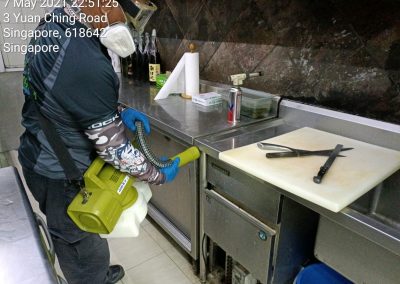
We know an ant infestation can be frustrating and troubling. With an ant control team experienced in exterminating ants and entire colonies from your property for good, Greencare men penetrate and destroy these pests at their unseen nests!
Greencare will first inspect your home and check for moisture or softwood in areas like the windows, sinks, and doorframes. With that, we will help identify entry points that ants sneak in.
We’ll work to deliver effective solutions backed by the latest scientific research to help protect your home. Our experts will also ensure that our products only target your “unwelcome guests” and minimise the risk of more infestations in the future!
Contact us at Greencare today to begin your process of having an ant-free home!