The Reality: Singapore Hotels Get Bed Bugs Too
97% of pest control professionals treated bed bugs in the past year; 68% reported infestations increasing in their areas. This isn’t about cleanliness or hotel class—bed bugs can hide in nooks and crannies of mattresses, box springs, bedding seams, skirting boards, electrical sockets, gaps in furniture, curtains, bed frames, and headboards.
The critical fact: Bed bugs can readily hitch a ride on luggage, clothing, and other personal items, facilitating spread across countries and continents. One contaminated hotel room + careless luggage packing = infestation in your Singapore home.
The good news: With proper inspection and prevention, you can stay at hotels confidently without bringing unwanted hitchhikers home.
BEFORE YOU UNPACK: Hotel Room Inspection Checklist
Do this FIRST when you check in. Before putting your luggage on the bed or opening your suitcase, inspect the room methodically. This takes 10-15 minutes and could save you thousands in treatment costs.
🔍 Step-by-Step Inspection Protocol
1️⃣
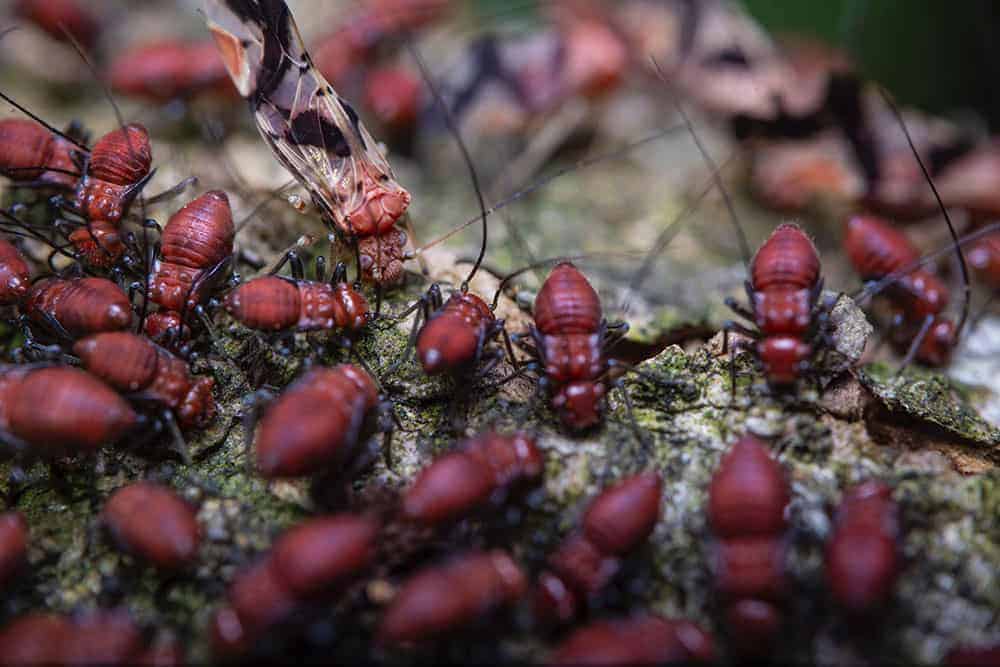
Check the mattress seams & edges: Use your phone’s flashlight. Look for small dark brown or black specs (bed bug droppings), live bugs, or tiny white eggs (1mm, oval-shaped). Pay special attention to seams and the underside of mattress edges.
2️⃣
Inspect the bed frame & headboard: Check corners, crevices, and any wood joints. Bed bugs hide in these dark areas during the day. Look for the same signs: fecal spots, molted skins, or live insects.
3️⃣
Examine upholstered furniture: Check chairs, sofas, and any cushioned seating. Bed bugs aren’t limited to beds—they’ll infest any furniture where people rest.
4️⃣
Look at wall hangings & electrical outlets: Check framed pictures, light switches, and outlets near the bed. Bed bugs use these as access routes and hiding spots.
5️⃣
Check the curtains & window sills: Especially pleats and folds where dust collects. Bed bugs hide in fabric textures.
6️⃣
Smell the room: A musty, obnoxious, sweet odor indicates bed bug infestation, especially in confined spaces. Heavy infestations have a distinctive “buggy” smell.
✓ Signs of NO Infestation
• Clean mattress seams
• No dark spots or stains
• No musty smell
• No visible insects
• Room feels clean and fresh
⚠️ Red Flags (Change Rooms Immediately)
• Any dark specs on mattress/seams
• Suspicious stains on bedding
• Musty or sweet odor
• Live insects sighted
• Molted skins (translucent shells)
If you find signs: Notify reception, request room change, and have them inspect the new room before you enter.
Smart Packing & Storage During Your Stay
🧳 Luggage Protocol
- Never place luggage on the bed or floor. Use luggage racks or hard surfaces—rooms adjacent to infested ones have higher risk of contamination
- Store suitcases in the bathroom or entryway (as far from bed as possible, on hard tile flooring)
- Use hard-shell suitcases over soft bags—bed bugs can’t penetrate hard plastic as easily
- Keep luggage sealed. If not using your full suitcase, keep it closed and latched
- Inspect suitcase seams & pockets regularly during your stay (especially before leaving)
🧦 Clothing Storage
- Keep worn clothes in a sealed plastic bag (not on the floor or furniture)
- Keep clean clothes in closed luggage, not on furniture or open suitcases
- Don’t hang clothes on hooks near the bed if possible—use bathroom hooks instead
🎒 Carry-On Bag
- Inspect your carry-on bag daily for signs of bed bugs
- Avoid placing it on hotel floors or beds
- Check pockets and zippers for any small dark spots
IMMEDIATELY AFTER YOU GET HOME: Containment Protocol
This is critical. Most people bring bed bugs home in luggage without realizing it. Here’s how to prevent that:
✓ Day 1 Action Plan (When You Arrive Home)
- Keep luggage in the bathroom or entryway. Don’t bring it into your bedroom yet.
- Inspect all luggage thoroughly. Check seams, pockets, zippers, corners with a flashlight. Look for black specs, molted skins, or live insects.
- Immediately wash all clothes in hot water (minimum 60°C) and dry on HIGH HEAT. Temperatures above 120°F (49°C) kill bed bugs at all life stages
- Wipe down suitcase exterior with a damp cloth. Dry completely.
- Inspect your suitcase again after clothes are removed. Look for any bed bugs that may have climbed onto the empty bag.
- Store empty suitcase sealed in a plastic bag for 48 hours. If any bed bugs were inside and survived washing, they’ll starve without access to blood.
- Only then move luggage to storage area (garage, storage closet, NOT bedroom).
Pro tip: Some travelers use portable heat treatment devices for suitcases (available online). Heat treatment at 50°C for 30+ minutes kills all bed bug life stages including eggs.
If You Get Bitten: Secondary Infection Risks & Medical Response
While bed bugs don’t transmit diseases directly, their bites can cause itching, discomfort, pain, and secondary skin infections due to scratching.
⚠️ Secondary Infection: The Real Medical Risk
The danger isn’t the bite itself—it’s what happens when you scratch. Scratching breaks the skin barrier, creating entry points for bacteria.
Cellulitis
Bacterial infection spreading through skin layers.
Symptoms: Redness, warmth, swelling, pain. May spread rapidly.
Impetigo
Contagious surface skin infection (especially in children).
Symptoms: Honey-crusted blisters, red sores.
Allergic Reaction
Some individuals experience allergic reactions ranging from mild to severe; in severe cases, systemic reactions including fever and flu-like symptoms can occur.
Symptoms: Excessive swelling, hives, difficulty breathing (seek emergency care).
Bite Treatment Protocol
- Resist the urge to scratch. Use nail clippers to keep nails short. Wear light gloves at night if scratching at sleep is unavoidable
- Apply anti-itch cream: Hydrocortisone (1%) or calamine lotion every 4-6 hours
- Take oral antihistamines (like cetirizine/Zyrtec) to reduce itch and prevent scratching
- Wash bites with soap and water regularly to prevent secondary infection
- If bites are severely scratched and show signs of infection (warmth, pus, spreading redness), see a doctor immediately. Secondary infections like cellulitis may require antibiotics
Medical cost reality: Anti-itch cream SGD $5-15. Oral antihistamines SGD $3-10. Doctor visit for secondary infection: SGD $80-150+ plus antibiotic costs.
If You Discover Bed Bugs at a Hotel: Your Rights & Compensation
A bed bugs hotel refund is not merely a courtesy—it is a legal obligation rooted in premises liability.
🏨 Step-by-Step Response
Step 1 (Immediate): Stop using the room. Do NOT continue sleeping there.
Step 2 (Documentation): Take photographs and videos of bed bugs, bites on your skin, and all signs of infestation (dark spots, stains, molted skins). Document thoroughly—photos of bites, black spots, and visual evidence strongly support claims later.
Step 3 (Notify Management): Speak to the manager directly (not just front desk). Request a different room or full refund. Keep written records of this conversation.
Step 4 (Room Change Safely): Don’t accept another room until it’s been inspected—research shows rooms adjacent to infested ones have higher contamination risk.
Step 5 (Formal Complaint): Request a written acknowledgment of the issue from hotel management. Follow up with email confirmation: “This email confirms our discussion about bed bug infestation in room [X] on [date].”
Step 6 (Escalate if Needed): If the hotel refuses compensation, contact their corporate office or file a complaint with local health authorities.
Documentation Checklist (For Compensation Claim):
- Photos of bites on your skin (timestamp if possible)
- Photos of bed bugs, droppings, molted skins, eggs
- Photos of blood stains on sheets
- All emails/written communication with hotel
- Hotel receipts and proof of payment
- Medical receipts (doctor visit, antihistamines, creams)
- Receipts for replacement clothing (if contaminated)
- Records of any absences from work due to infection/medical treatment
Compensation Amounts: What Can You Claim?
| Expense Category |
Singapore Typical Cost |
Claimable |
| Hotel room refund |
SGD $100-400/night |
✓ Yes |
| Medical visit for itching/infection |
SGD $80-150 |
✓ Yes |
| Antihistamines & anti-itch cream |
SGD $15-40 |
✓ Yes |
| Antibiotics (if secondary infection) |
SGD $30-80 |
✓ Yes |
| Replacement clothing (if contaminated) |
SGD $100-500 |
✓ Yes |
| Luggage replacement/cleaning |
SGD $200-800 |
✓ Yes |
| Missed work (with medical documentation) |
Variable |
✓ Possibly |
| Emotional distress |
Variable |
⚠️ Disputed |
Reality: Most bed bug claims settle for under SGD $20,000 (typically much lower for limited exposure). Hotels often offer a night’s refund first; don’t accept unless it covers all your documented expenses.
Common Questions
❓ What if I accidentally brought bed bugs home to my Singapore home?
Act immediately. Call a professional pest control company the same day. A single female can lay 200-300 eggs in her lifetime; in ideal conditions, a small infestation can spread to the entire flat in 4-6 weeks. Professional treatment: SGD $360-1,200. DIY costs more (usually fails, requires 2-3 professional treatments later).
❓ Can I use travel insurance to cover bed bug expenses?
Standard travel insurance typically doesn’t cover bed bug incidents. Travel medical insurance may help cover medical bills from bites/infections. Check your policy. Some premium cards offer travel medical coverage.
❓ How long can bed bugs survive without feeding?
Bed bugs can survive several months to a year depending on food availability and environmental conditions. This is why sealed plastic bag storage is important—it prevents them from feeding if any are in your luggage.
❓ If I see a live bed bug during travel, should I kill it?
No. Photograph it first (evidence for compensation claim). Then carefully seal it in a plastic bag or cup. Show it to hotel management as proof.
❓ Are certain hotel areas safer than others?
No. Infestations have been reported in luxury hotels, budget motels, private homes, apartments, and even public transportation. Class doesn’t matter. Inspection does.
Your Travel Protection Checklist
- Inspect hotel room immediately upon check-in
- Store luggage on racks/hard surfaces, never on bed or floor
- Wash all clothes in hot water (60°C+) immediately after returning home
- Inspect suitcase thoroughly before bringing into bedroom
- Seal and store luggage away from bedroom for 48 hours
- Document any bites with photos and medical visits
- Know your rights: hotels are legally responsible for infestations
- Save all receipts and communications for potential compensation claims