House Flies: Kitchen Contamination Risk
House flies in Singapore are common in kitchens and food preparation areas. These insects contaminate food with bacteria and disease-causing organisms.
Unlike mosquitoes (seasonal) or cockroaches (hiding), house flies are visible pests that land on food and surfaces. Their presence indicates contamination risk.
Understanding identification, contamination risks, and professional control helps protect your family’s food safety.
House Fly Identification
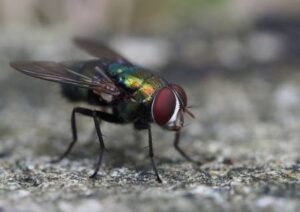
Physical Characteristics:
- Size: 6-8mm long (small insect)
- Color: Gray or gray-brown body
- Head: Reddish-brown compound eyes
- Wings: Clear wings held tent-like over body
- Legs: Six legs with sticky pads (can land on any surface)
- Bristles: Dark bristles visible on body
- Movement: Rapid, erratic flight pattern
- Behavior: Lands frequently on surfaces and food
How House Flies Differ from Other Flies:
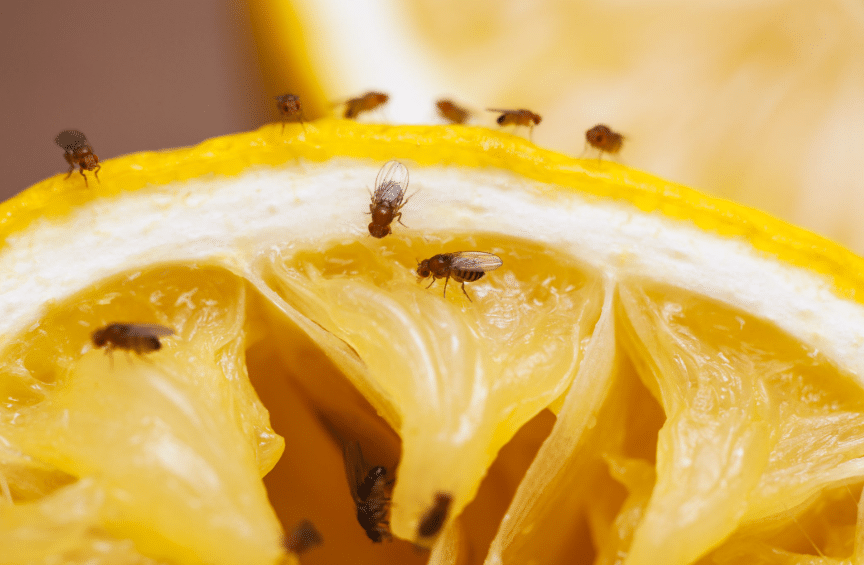
- Fruit flies: Tiny (3mm), reddish-brown, attracted to fruit
- Drain flies: Tiny (2-3mm), fuzzy, live in drains
- House flies: Larger (6-8mm), gray, attracted to garbage and food
Behavior Clues:
- Landing on food during meals
- Present near garbage or waste areas
- Visible in kitchen during day
- Buzzing sound (characteristic of house flies)
- Multiple flies present in short time
Signs of House Fly Infestation
Visual Signs:
- Actual flies visible on food or surfaces
- Flies landing on kitchen counters
- Flies near trash or garbage area
- Multiple flies in kitchen (more than just passing ones)
- Flies repeatedly returning to same area
- Small dark spots on surfaces (fly feces)
Behavioral Signs:
- Flies present consistently (not just one or two)
- Increased fly activity over time
- Flies returning after you shoo them away
- Finding flies in your food or on plates
Food Contamination: Primary Health Risk
How House Flies Contaminate Food:
- Flies land on garbage, sewage, and contaminated areas
- They then land directly on your food and surfaces
- Bacteria transfer from fly legs to food
- Flies also vomit on food (regurgitate partially digested matter)
- Contamination invisible to naked eye
- Uncooked food (salads, fruit) highest risk
Diseases House Flies Transmit:
- Salmonella: Severe food poisoning with diarrhea and fever
- E. coli: Dangerous food-borne illness
- Dysentery: Severe intestinal infection
- Typhoid Fever: Serious bacterial infection
- Cholera: Potentially fatal if untreated
- Other Bacteria: General food contamination from unknown organisms
High-Risk Exposure:
Babies, elderly, and immunocompromised individuals face higher risk of severe illness from contaminated food.
Critical insight: Every time a house fly lands on food, contamination occurs. Invisible bacteria transfer to food. Professional elimination protects food safety.
House Fly Lifecycle: Rapid Multiplication
Why House Flies Breed So Fast:
Eggs (Laid in Organic Matter):
Female lays 75-150 eggs at a time in garbage, animal waste, or decaying organic matter. Eggs hatch within 8-12 hours in warm Singapore climate.
Larvae (Maggots):
Larvae (maggots) develop in waste. Takes 3-5 days to fully develop. Larvae eat decaying matter, leaving visible trails and damage.
Pupae (Transformation):
Pupae stage takes 3-6 days. During this time, larva transforms into adult fly.
Adults (Lifespan 2-4 Weeks):
Adults live 15-30 days. Female produces 5-10 batches of eggs during lifetime. One pair produces 1,000+ offspring in month.
Complete Lifecycle: 8-14 Days (egg to adult)
Rapid breeding timeline: One fly today → 100+ in one week → 1,000+ in two weeks. House fly populations explode exponentially in warm climates.
Why DIY Fly Control Fails
Common DIY Approaches:
Flyswatter and Manual Removal:
Kills individual flies only. Doesn’t address breeding sites or source. New flies emerge constantly. Hundreds remain hidden in cracks and ceiling areas.
Fly Paper Traps:
Traps visible flies but misses majority hiding in walls and crevices. No effect on larvae. Breeding continues unaffected.
Store-Bought Spray:
Kills visible adults temporarily. Does not eliminate breeding sites. Larvae in garbage continue developing. New adults emerge in days.
Why DIY Fails:
Breeding Sites Not Addressed: Flies breed in garbage, animal waste, drains. If breeding sources not eliminated, flies continue reproducing.
Hidden Breeding Areas: You don’t know where all flies breed. Professional identifies all source areas.
No Follow-Up: DIY has no monitoring. You don’t verify if problem actually solved.
✓ Why Professional Works:
• Identifies all breeding sites (garbage areas, drains, waste)
• Eliminates larvae and breeding material
• Kills adult populations
• Uses professional-grade attractants and traps
• Monitors for elimination success
• Provides follow-up treatment if needed
• Includes guarantee
Professional Fly Control Approach
Assessment and Treatment Plan:
Day 1 (Inspection):
Professional identifies breeding sites (garbage areas, drains, waste containers). Assesses infestation severity. Develops customized control plan.
Day 1-2 (Treatment):
Removes or treats breeding materials. Applies professional-grade baits and attractants. Installs monitoring traps. Treats drainage systems if needed.
Week 1-2 (Monitoring):
Monitors trap effectiveness. Checks for signs of remaining flies. Adjusts treatment if needed.
Week 2-3 (Verification):
Confirms fly population eliminated. Removes traps. Provides prevention recommendations.
Guarantee:
Professional treatment includes guarantee. If flies return within 30 days, re-treatment provided at no cost.
Prevention: Stopping Flies Before They Breed
Most Important Prevention Strategies:
1. Garbage Management (Highest Priority):
- Keep garbage in sealed bins (not open containers)
- Empty trash daily (don’t let it sit)
- Use bins with tight-fitting lids
- Keep garbage area clean (no spillage)
- Dispose of food waste immediately
2. Kitchen Cleanliness:
- Clean up spills immediately
- Wash dishes right after meals (don’t leave food)
- Wipe down surfaces daily
- Store food in sealed containers
- No food left on counters overnight
3. Drain Maintenance:
- Keep drains clean (no organic buildup)
- Use drain screens to catch debris
- Pour boiling water down drains weekly
- Clean drain overflow areas
4. Screening and Barriers:
- Install window screens (check for holes)
- Door sweeps to prevent entry
- Seal gaps around windows and doors
Reality: Even perfect prevention cannot stop all flies. Professional treatment necessary for established infestations. Prevention + Professional treatment = success.
When to Call Professional Help
Call Professional If:
- House flies visible in kitchen (any sighting)
- Multiple flies present (more than 1-2)
- Flies landing on food or surfaces
- Fly problem persists despite prevention
- DIY traps or spray didn’t work
- Concerned about food contamination
- Flies returning repeatedly
Professional Service Includes:
- Complete inspection of breeding sources
- Elimination of breeding materials
- Treatment of garbage areas and drains
- Professional-grade fly control methods
- Monitoring and follow-up
- Verification of elimination
- Prevention recommendations
- 30-day guarantee
Quick Action Plan
- Confirm house fly infestation (see actual flies)
- Immediately improve garbage management (sealed bins, daily disposal)
- Clean kitchen thoroughly (remove food sources)
- Call professional for same-day or next-day assessment
- Describe location and severity of flies
- Professional inspects and develops treatment plan
- Treatment applied immediately
- Follow-up monitoring ensures elimination
Key takeaway: House flies contaminate food with disease-causing bacteria. DIY approaches kill visible flies but miss breeding sources. Professional treatment eliminates breeding sites and populations. Prevents food-borne illness risk.
Col Available.
Complete elimination protects food safety. Same-day service across Singapore locations.
+65 6970 0205
Call for immediate assessment. Available 24/7 including weekends. Guaranteed elimination with follow-up verifi