

Bugs Appearing After Haze: What Is Really Happening
Haze does not breed pests. Smoke and particulate matter do not create cockroaches, ants or silverfish, and there is no evidence that haze causes an outbreak on its own. What haze does is change the conditions inside your home, and those changes can make existing pests easier to notice.
Many households see more insects during and after a haze episode because windows stay shut, air conditioning runs for longer, humidity rises, and pests that were already in the building or the drains start to move toward warmer, drier, or more sheltered spots. Once the haze clears and the windows open again, activity can look like a sudden problem even when the pests were there all along.
This guide explains what haze changes, which pests to watch for, and when a professional inspection is the right next step.
What Haze Changes Inside Your Home
Windows and Doors Stay Shut
Closed windows reduce the natural airflow that carries away moisture, food odours and dust. Stale, humid air settles in kitchens, bathrooms and bedrooms, which suits moisture-loving pests.
Air Conditioning Runs Longer
Extended AC use can cause condensation on cold surfaces, around drip trays and inside cabinets. Damp areas attract silverfish, booklice and cockroaches, and they also encourage mould, which in turn attracts mites.
Humidity and Dust Build Up
Haze brings fine particles, and when homes are sealed these settle on surfaces, soft furnishings and bedding. Dust and dead skin feed dust mites, and dust that is not cleaned regularly becomes a food source for other household pests.
Pests Move Toward Shelter
Ants, cockroaches and other insects may move indoors seeking shelter when outdoor conditions are unpleasant, especially if there are gaps around doors, pipes and cable entry points. Once inside, they look for food and water in kitchens and bathrooms.
Pests to Watch For After Haze
Cockroaches:
- Seen in kitchens, bathrooms or near drains, often at night
- Droppings that look like small dark specks or grains near cabinets, appliances or drawers
- A musty or oily smell in heavy infestations
Ants:
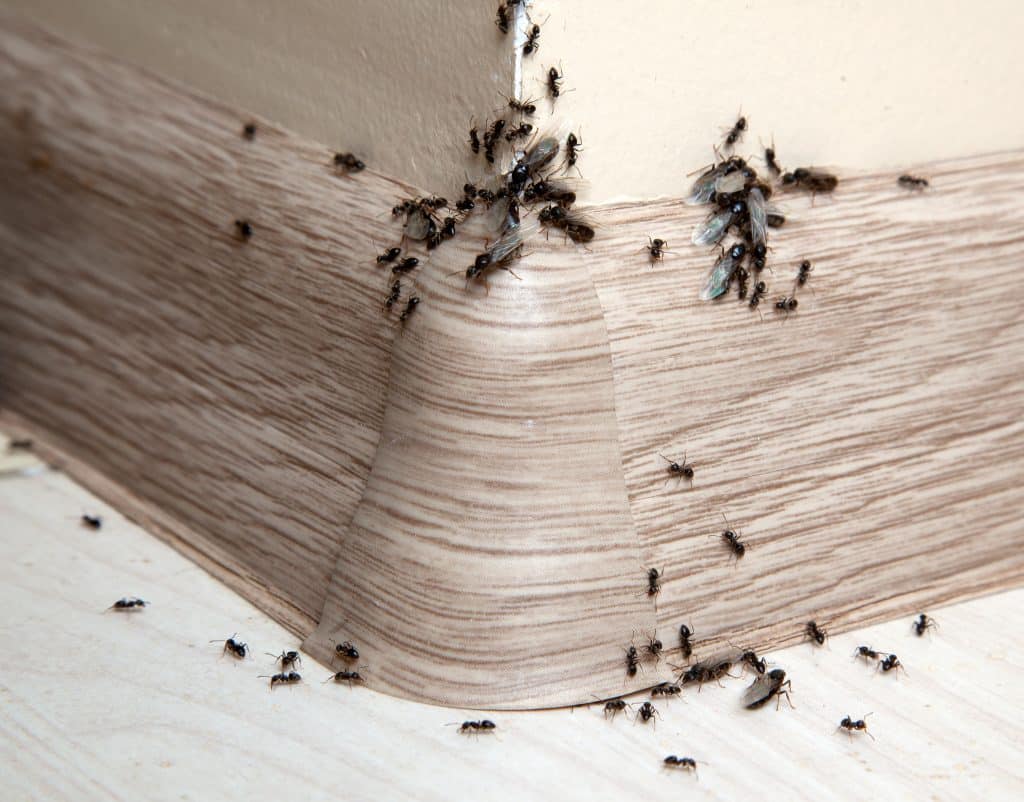
- Trails along skirting boards, window sills and kitchen counters
- Activity near sugar, pet food, bins or water sources
- Colonies in wall voids or behind appliances if trails lead there
Silverfish and Booklice:
- Small, fast-moving insects in bathrooms, cupboards and bookshelves
- Damage to paper, cardboard, wallpaper or fabric with irregular nibbling
- Strong presence in damp areas after AC condensation or poor ventilation
Dust Mites:
- Not visible to the naked eye, but they cause allergy and asthma symptoms
- Itchy eyes, sneezing or congestion that worsens in bedrooms or on upholstery
- Most common in beds, pillows, carpets and sofas that are not cleaned regularly
Drain Flies:
- Small, fuzzy flies near sinks, showers or floor drains
- Activity increases when moisture and organic buildup in pipes are not cleared
Simple Checks You Can Do Now
- Walk through the kitchen, bathroom and bedroom at night with a torch and note where insects appear
- Check under sinks, behind the fridge, and inside cabinets for droppings, damp patches or leaks
- Look along skirting boards and window sills for ant trails or gaps where pests can enter
- Inspect the AC drip tray and surrounding area for moisture and mould
- Wipe kitchen surfaces, clear food crumbs, and store dry food in sealed containers
- Vacuum bedding, mattresses and sofas to reduce dust and mite food sources
- Run exhaust fans in bathrooms and open windows briefly when haze eases to improve ventilation
Why DIY Sprays Often Miss the Real Problem
When insects appear, the natural reaction is to spray. Surface sprays can knock down the insects you see, but they usually miss the nest, the harbourage, and the moisture source that keeps the pests coming back. Ants follow trails to a colony. Cockroaches hide in wall voids and appliance motors. Silverfish live in damp, hidden spaces. Dust mites live in the fabric itself.
Sealing gaps and cleaning the visible area is good hygiene, but it does not address the source. A professional inspection identifies where the pests are living, how they are getting in, and which conditions need to change.
- Identifying the pest species so the treatment matches the problem
- Finding harbourages in wall voids, cabinets, drains and appliances
- Checking moisture sources such as AC condensation, leaks and drain buildup
- Sealing entry points and recommending ventilation or cleaning changes
- Follow-up checks to confirm the activity has stopped
When to Call a Professional
- Cockroaches are seen during the day or in several rooms
- Ant trails keep returning after cleaning
- You find droppings, egg cases or damage to paper or fabric
- Drain flies persist after you have cleaned the drains
- Allergy symptoms worsen in the bedroom and cleaning has not helped
- Insects keep returning after you have sprayed or wiped the area
Seeing Bugs After the Haze?
Speak to GreenCare about a professional inspection to find the source and a clear plan to deal with it.
Thorough inspection, clear findings, and a plan for your home.