

Why Drain Flies Favour the Bathroom
Bathrooms are one of the most common places drain flies appear in Singapore homes. Shower drains, floor traps and basin outlets stay wet for much of the day, and they collect hair, skin, soap residue and body oils. Over time these materials form a slimy film, called biofilm, on the inside walls of the pipe. That film is where drain fly larvae feed and develop.
Because the breeding site sits inside the pipe, the flies you see are only the adults that emerged from it. Wiping the tiles or spraying the drain cover rarely reaches the source, which is why the problem often returns within days.
This guide explains why drain flies breed in bathrooms, the signs to look for, why cleaning alone fails, and what a professional drain treatment involves.
Signs of Drain Flies in the Bathroom
What to Look For:
- Small, fuzzy, moth-like flies near the shower, basin or floor drain
- Flies that rise when water runs or when the drain is opened
- More flies in the early morning or late evening
- A musty or sour smell from the drain area
- A slimy film or grey residue visible around the drain opening
- Flies that return soon after cleaning the drain cover
Common Bathroom Breeding Spots
Drain flies can breed in any drain that stays wet and collects organic material. In HDB bathrooms, the most common sites are:
- Shower drains: Hair, soap scum and body oils build up quickly
- Floor traps: Standing water and sediment make them a favourable breeding site
- Basin outlets: Toothpaste, soap and hair residue accumulate on the pipe walls
- Balcony or utility drains: Nearby drains that share the same wet conditions
- Overflow holes: Hidden openings where film and debris collect
Why Cleaning Alone Does Not Work
Scrubbing the drain cover, pouring boiling water and using a standard drain cleaner help with the surface, but they do not always reach the biofilm further down the pipe. Boiling water may kill some larvae near the top, while the rest of the film survives and rebuilds. Chemical cleaners can remove some debris but often leave the film intact. Hair and soap can also gather again quickly, giving the next generation of flies a new food source.
Because the lifecycle is short, a single round of cleaning may leave enough eggs and larvae behind for a new generation to emerge within about a week or two.
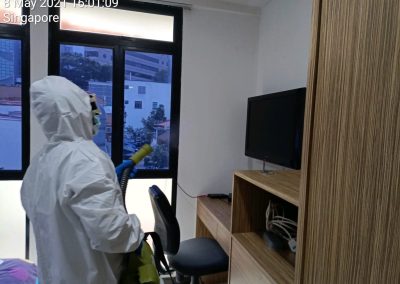
- Inspecting the bathroom drains and identifying the most affected points
- Removing or breaking down biofilm and debris deeper in the pipe
- Applying treatments that reach the film and target larvae and eggs
- Advising on drain care and regular cleaning routines to prevent rebuilding
- Following up to check whether flies are still emerging
Simple Bathroom Drain Care
- Remove hair from the drain cover after each shower, before it can wash down
- Clean the drain cover and the surrounding area with a brush every few days
- Run hot water through the drain for a short time once or twice a week
- Avoid pouring oil, grease or large amounts of soap residue down the drain
- Keep the floor trap filled with water, and check that it is not blocked or dry
- Ventilate the bathroom and wipe down wet surfaces to reduce humidity
- Keep the overflow hole clean, as it can hide film and debris
When to Call a Professional
- Flies continue to appear after several rounds of cleaning
- More than one bathroom drain is affected
- Flies rise from the drain when water is run in the kitchen or other bathrooms
- The drain drains slowly or smells, suggesting heavy buildup in the pipe
- Your neighbours report similar flies and shared drain lines are involved
Drain Flies in Your Bathroom?
Speak to GreenCare about a professional drain inspection and treatment plan for your home.
Thorough drain inspection, targeted treatment, and follow-up for your bathroom.