Silverfish Destroying Your Books & Clothes? Here’s What’s Happening
They live 2-8 years. They’re eating your valuables right now. Here’s how to stop them.
You Opened a Book and Found Holes. Now What?
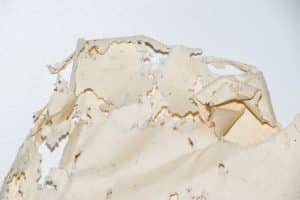
Silverfish are attracted to starch, so they are drawn to starched clothing, wallpaper paste, and glue in book bindings. If you’ve discovered irregular holes in your favorite book or noticed small tears appearing in your clothing, you likely have a silverfish infestation.
The critical fact: Silverfish have a surprisingly long lifespan for an insect. On average, they can live between two to eight years, depending on environmental conditions. Their ability to survive for long periods without food makes them particularly resilient pests in homes.
This means a silverfish you’re ignoring today could be eating your valuables for the next 8 years.
What Silverfish Actually Eat (And Why Your Valuables Are At Risk)
Silverfish feed on a variety of starchy materials including paper, cardboard, book bindings, glue, wallpaper paste, textiles, and certain food items like grains and cereals.
🎯 High-Value Items Under Attack
Books & Documents
Book spines, pages, bindings. Often the first targets because glue is starch-based.
Clothing
Natural fibers (silk, cotton, linen). Especially starched dress clothes and stored items.
Wallpaper
The paste underneath is pure starch. They eat from behind, creating bubbling patterns.
Important Papers
Documents, certificates, photographs. Once damaged, often irreplaceable.
Pantry Items
Flour, cereal, pasta in unsealed containers. Contaminated = must be discarded.
Furniture & Antiques
Upholstery, wood with starch-based finishes. Damage can be permanent.
The Damage Pattern You’re Not Noticing Yet
Look for small holes or irregular patterns on clothing. They may chew up the glue in books, meaning that the book pages may come undone and weaken over time.
If you flip on the light in your bathroom and see little gray bugs running for cover, there’s a good chance they’re silverfish. Although small in size, silverfish do chew books and other items leaving fine, tiny holes, or damaged edges.
Clothing: Small holes in natural fabrics, irregular patterns (unlike moths which create uniform holes)
Documents: Holes, discoloration, chewed edges on stored papers
Wallpaper: Bubbling from behind, scraped or missing areas
Why Singapore is a Silverfish Paradise (And How Long They’ve Been There)
Silverfish are often found in damp, humid areas such as bathrooms and kitchens. They prefer dark, undisturbed places where they often hide in cracks, crevices, and behind baseboards, wallpaper, or insulation.
Singapore’s tropical climate (70-90% humidity year-round, 27-32°C) creates perfect conditions for silverfish survival and reproduction.
The Silverfish Lifecycle in Singapore
This is why they’re so hard to eliminate:
Eggs laid: Female silverfish lay 20+ eggs in protected cracks and crevices
Each female can lay eggs ALL YEAR in Singapore’s warm climate
Egg to adult: Females can produce about 60 eggs during warm summer months, and lifecycle from egg to adult can be completed in less than one month.
4 weeks in warm conditions = rapid population growth
Adult lifespan: Silverfish can live between two to eight years, depending on environmental conditions.
One silverfish = 2-8 years of eating your valuables
Total population impact: One female silverfish can produce 60+ eggs per summer, with 50% being female
60 eggs × 50% females = 30 new females × 60 eggs each = exponential growth
Signs You Already Have A Silverfish Problem
The challenge: Silverfish are nocturnal which means we have lesser visibility in spotting them only at night when they are up and awake, thus pest detection is limited.
But there are telltale signs:
📄 Damaged Books/Papers
Irregular holes, rough edges, yellow stains, weakened bindings. Damage spreads in one area then grows as unconnected holes.
👕 Holes in Clothing
Small tears in stored clothes, natural fabrics affected more. Often discovered when retrieving seasonal items.
🪳 Fecal Droppings
Tiny black pepper-like specs in drawers, near books, in corners. Hard to see but definitive sign of activity.
🧩 Shed Skins/Scales
Silvery dust around damaged items. Their silvery scales rub off easily, leaving gray smudges.
👁️ Actual Sightings
Gray, fish-shaped insects (12-19mm) running when light is turned on. Nocturnal = seen mostly in bathrooms at night.
🏠 Musty Smell
In severe infestations, a musty odor develops in affected areas, similar to moisture/mold smell.
The problem: You see silverfish and think “I’ll just spray them.” But here’s what actually happens:
You spray visible bugs: Kill 3-5 adult silverfish
Hidden colony survives: Hundreds more in cracks, crevices, under baseboards continue living
Eggs hatch: 2-4 weeks later, you see silverfish again
You spray again: Cycle repeats, books continue getting damaged
Books are ruined: By the time you realize DIY doesn’t work, irreplaceable items are destroyed
How to Protect Your Valuables (4-Step Priority)
1. Store Smart (Immediate)
• Airtight plastic containers for books, documents, clothing
• Zip-lock bags for important papers
• Sealed boxes with silica gel packs for seasonal items
• Remove cardboard boxes (silverfish food source)
2. Reduce Humidity (This Week)
• Install dehumidifier in affected areas
• Target humidity: 50% or below
• Improve ventilation in bathrooms, basements
• Repair water leaks immediately
3. Eliminate Food Sources (Ongoing)
• Seal pantry foods in airtight containers
• Remove old newspapers, magazines, cardboard
• Clean dust regularly (food for silverfish)
• Don’t leave books/clothes in damp corners
4. Block Entry Points (Permanent)
• Seal cracks around doors, windows, baseboards
• Caulk gaps in walls, pipes
• Fix gaps in foundation and floor
• Use weather stripping on entry doors
Professional Treatment: When DIY Isn’t Enough
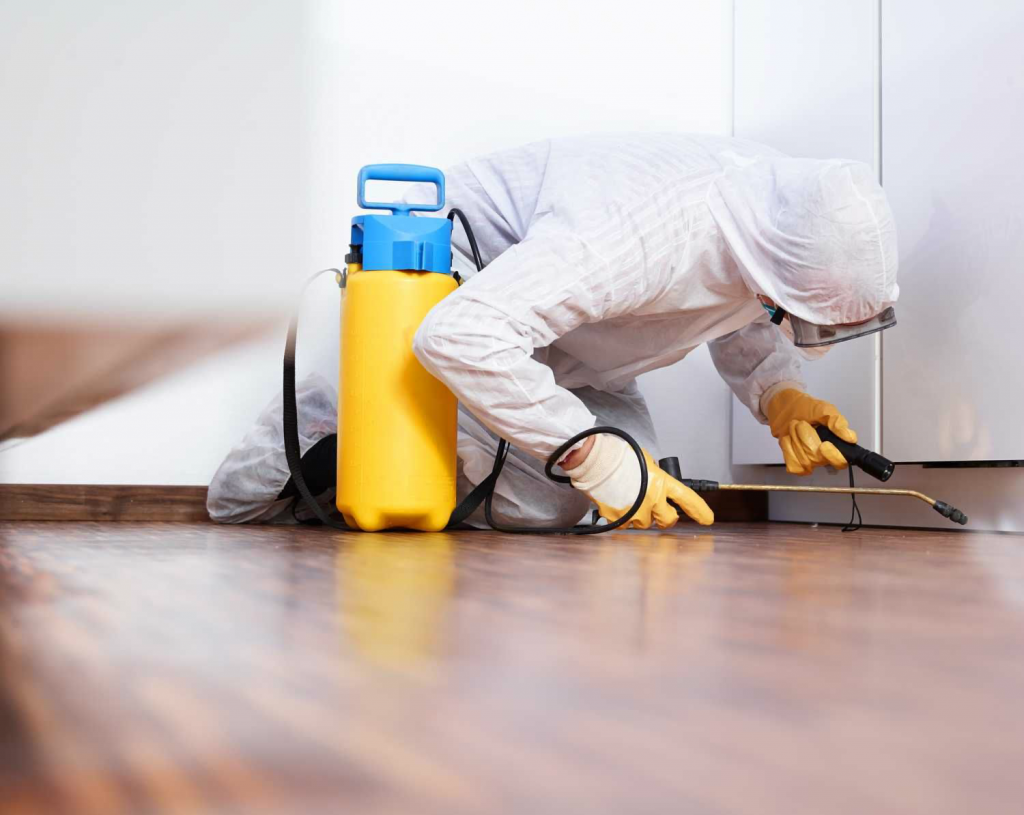
If you’ve already discovered damage: Professional silverfish treatment is essential. When silverfish infestations are severe, professional treatment using targeted spraying or other methods is necessary to remove all nesting sites and bring down the population level.
Quick FAQ
Do silverfish bite humans?
No. Silverfish do not bite humans. They lack the mouthparts needed to pierce skin or cause harm. However, they can trigger allergic reactions in some individuals due to their shed scales and droppings.
How do I know if damage is from silverfish vs. moths?
Silverfish leave irregular, unconnected holes spread across fabric. Moths create more uniform circular holes in patterns. Silverfish also leave tiny black droppings nearby.
Can I prevent silverfish without a dehumidifier?
Partial prevention is possible (removing food sources, sealing containers, improving ventilation), but a dehumidifier is the most effective tool. Use dehumidifiers to lower humidity levels, especially in basements, attics, and bathrooms.
How long does treatment take?
Professional treatment shows results within 1-2 weeks. Full elimination requires 2-3 follow-up visits over 4-6 weeks due to the egg lifecycle.
Will my books be okay if I treat now?
Existing damage won’t reverse, but further damage stops immediately after treatment. Important: Store damaged books in sealed containers to prevent re-infestation.
Stop the Damage Before More Books Are Lost
Silverfish have been eating your valuables for how long now?
Every month you wait, they lay more eggs. Your collection gets damaged more.
✓ Same-day or next-day inspection available
✓ Professional assessment of damage extent
✓ Treatment plan to stop further losses
✓ Storage advice to protect remaining valuables
✓ Prevent future infestations
Professional Spider Pest Control Singapore Expert inspection, treatment methods, and comprehensive elimination strategies Spider infestations develop quickly and hide in plain sight. Rapid reproductive cycles allow a single egg sac to hatch hundreds of spiderlings at once, which can turn a minor sighting into a full-scale infestation very quickly. DIY removal only addresses […]
House Centipedes in Singapore Why they’re in your home, venom facts, and professional pest control solutions Fast-moving centipedes crossing your bathroom floor = pest problem indicator. House centipedes are shy. They prefer to run and hide instead of fight. Most centipedes are beneficial because they eat pest insects.If centipedes are in your home, […]
Spider Control in Singapore Common species, venom facts, professional removal & prevention strategies Spiders look intimidating. But most are beneficial. There are over 800 species of spiders found in Singapore, however, most of them live in the jungles and forested areas of Singapore. Only a small fraction of Singapore spiders live in urban […]
Get A Free Estimate Or Quote
Get a quick, no-obligation quote from
Greencare. A specialist will contact you as soon
as
possible. Or You May Call Us: