| Feature | House Fly | Fruit Fly |
|---|---|---|
| Size | 8mm (larger, visible) | 3-4mm (tiny, hard to spot) |
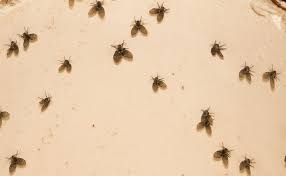
| Color | Gray-black body, red eyes | Yellowish-tan, dark eyes |
| Wings | Clear, held flat over body | Clear, held tent-like position |
| Body Shape | Solid, robust build | Rounded, compact shape |
| Movement | Fast, erratic flight | Slow, hovering behavior |
| Lifespan | 28 days | 8-10 days |
Lifecycle: Egg → larva (7 days) → adult (21 days). Total: 28 days.
Lifecycle: Egg → larva (3 days) → adult (5-7 days). Total: 8-10 days.
House Flies: Land on garbage, feces, sewage, then directly on food. Carry Salmonella, E. coli, Cholera, Typhoid bacteria. Disease transmission occurs immediately after contaminated contact.
Fruit Flies: Breed on fermenting fruit and vegetables. Carry Salmonella, E. coli, and other bacteria from decaying matter. Contaminate fresh fruit through direct contact and egg deposition.
Both represent serious food safety hazards in kitchens.** Professional elimination urgent for health protection.
Fruit flies come from fermenting fruit and vegetables. Eggs hatch within 24-48 hours. A single female lays hundreds of eggs on ripe fruit. Reproduction cycle of 8-10 days means populations explode rapidly without intervention.
Eliminate breeding sources: seal garbage, clean drains, remove waste. Install screens to prevent entry. Professional insecticide treatment targets adult flies. Drain treatment eliminates larvae. Combined approach most effective.
DIY methods (vinegar traps, fruit removal) catch adult flies but miss breeding sources. Fruit fly larvae hide in drains, garbage disposals, compost. Complete elimination requires professional drain treatment.
Initial treatment takes 1-2 hours. Fruit fly infestation typically controlled within 7-10 days. House fly infestations resolve in 5-7 days. Follow-up inspections ensure complete elimination.
DIY methods rarely eliminate infestations completely. Larvae hide in drains and garbage disposals beyond reach of home treatment. Professional drain treatment + insecticide application eliminates both adult flies and breeding sites simultaneously.
House Flies in Singapore Food contamination, disease transmission, and professional elimination House Flies: Kitchen Contamination Risk House flies in Singapore are common in kitchens and food preparation areas. These insects contaminate food with bacteria and disease-causing organisms. Unlike mosquitoes (seasonal) or cockroaches (hiding), house flies are visible pests that land on food and […]
Dengue Mosquito Control in Singapore Identification, breeding prevention, and professional elimination for dengue fever protection Dengue Mosquitoes: A Critical Health Risk in Singapore Dengue fever in Singapore is transmitted by Aedes mosquitoes. These small insects breed in stagnant water and spread rapidly in urban environments. Unlike other mosquitoes, Aedes mosquitoes are active during day […]
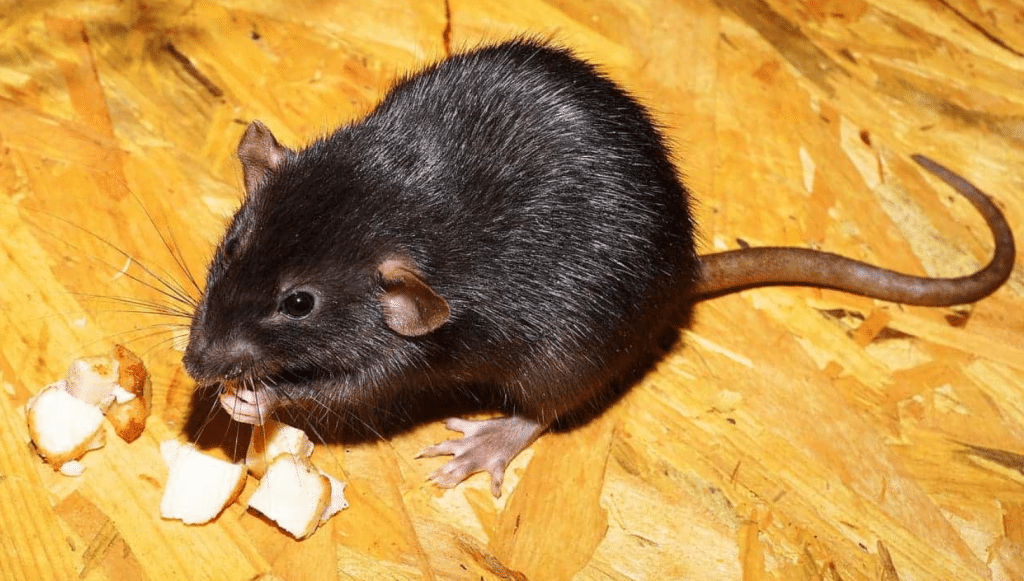
Rat Infestation Singapore | Professional Elimination Rat Infestation in Singapore Disease transmission, structural damage, and professional elimination for HDB homes Rats in Singapore: A Serious Problem Rat infestations in Singapore are common, especially in HDB flats and older buildings. Rats cause disease, structural damage, and food contamination. Unlike insects that hide, rats are visible when […]