

Why HDB Flats Need a Different Approach
Most HDB flats share pipes, drains, ventilation ducts, electrical risers and refuse chutes with neighbouring units and common corridors. That shared infrastructure is convenient, but it also gives pests a route from one flat to the next. A problem that starts in one kitchen or bathroom can spread through the building if it is not dealt with early.
Many HDB residents only notice a pest problem after it has grown. A few cockroaches in the kitchen, a fly near the sink, or a small trail of ants may be the visible part of a larger population in drains, wall gaps or neighbouring units. Knowing the common HDB pests and their signs helps you act before the problem spreads.
This guide covers the pests most often reported in HDB flats, how each one spreads, what the signs look like, and when a professional inspection is the right next step.
Cockroaches
Cockroaches are one of the most common pest problems in HDB kitchens and bathrooms. They use the warmth and moisture around sinks, appliances and drains, and they can move through pipe gaps and wall voids into neighbouring units.
Signs to Watch For:
- Cockroaches seen at night near the sink, stove, fridge or bin
- Small dark droppings or grains near cabinets, drawers and appliances
- Egg cases in hidden corners
- A musty or oily smell in heavy infestations
Because cockroaches hide in appliance motors, wall gaps and drains, sprays alone rarely clear them. A professional programme usually includes gel baits, targeted treatment of harbourages, and follow-up visits. For more detail, see our cockroach guide.
Rats
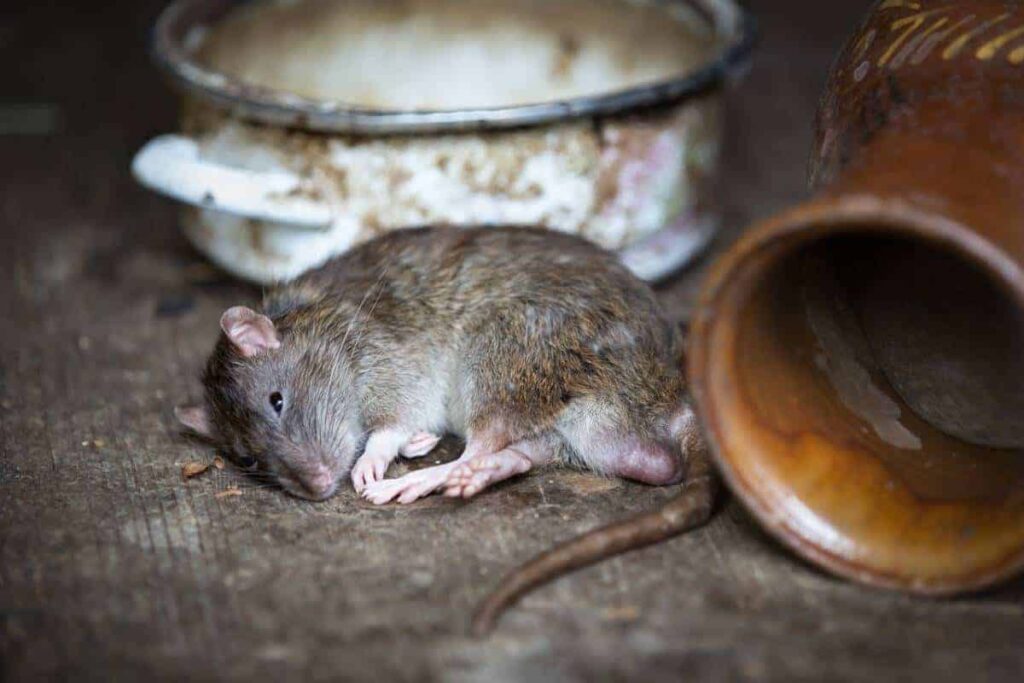
Rats are a serious concern in HDB flats, especially on lower floors and near drains, bins and food waste. They move through gaps around pipes, cables and vents, and they can cause damage to wiring and stored food. Rats also carry diseases that can spread through urine and droppings.
Signs to Watch For:
- Droppings along walls, under sinks and in cabinets
- Gnaw marks on packaging, wiring and wooden edges
- Scratching or scurrying in ceilings or walls at night
- Greasy rub marks along pipes and skirting boards
Bed Bugs
Bed bugs can enter HDB homes through luggage, secondhand furniture and visitors. Once established, they can spread between rooms and, in some cases, into neighbouring units through wall gaps and shared spaces. Because they hide in mattress seams, furniture frames and wall cracks, early detection makes a large difference.
Signs to Watch For:
- Itchy bites in lines or clusters, often on exposed skin
- Small dark spots on mattress seams (bed bug droppings)
- Reddish stains on sheets from crushed bugs
- A sweet, musty odour in heavy infestations
Bed bugs are difficult to control with household sprays because they hide in places sprays do not reach. Professional heat treatment is often the most reliable approach. For more detail, see our bed bug guide.
Ants
Ants are common in HDB kitchens, bathrooms and balconies. They follow scent trails to food, water and sugar, and they can nest in wall gaps, behind appliances and under tiles.
Signs to Watch For:
- Trails along skirting boards, window sills and kitchen counters
- Activity near sugar, pet food, bins and water sources
- Sudden surges after rain or when food is left out
Wiping trails helps in the short term, but the colony usually sits somewhere out of reach. A professional inspection finds the nest and treats it, rather than only the ants you see.
Drain Flies and Fruit Flies
Small flies around sinks, floor drains and kitchen waste are common in HDB flats, especially during humid weather. Drain flies breed in the organic film inside pipes, and fruit flies breed in fermenting food and residue in bins and drains.
Signs to Watch For:
- Small fuzzy flies near sinks or shower drains, especially at night
- Small fast flies around fruit, bins and wet kitchen areas
- Flies that keep returning after you clean the surface
Cleaning the visible surface does not clear the breeding site inside the drain. For more detail, see our drain fly guide and fruit fly guide.
Silverfish and Booklice
Silverfish and booklice favour damp, dark areas such as bathrooms, cupboards and bookshelves. They are common after prolonged humidity or air-conditioning condensation, and they feed on paper, cardboard, wallpaper and fabric.
Signs to Watch For:
- Small, fast insects in bathrooms or cupboards
- Irregular nibbling on paper, cardboard, books and fabric
- Damp patches or mould near pipes and air-conditioning units
Termites
Termites can affect HDB flats through timber fixtures, door frames, skirting and wooden furniture. Subterranean termites use mud tubes to reach timber from the ground, while drywood termites live inside dry wood and leave pellets behind.
Signs to Watch For:
- Mud tubes along walls, pillars and skirting edges
- Hollow-sounding or blistered timber
- Small piles of six-sided pellets, or small round holes in wooden furniture
- Winged termites near windows or light fittings
Termite activity can be hidden for a long time, so a prompt inspection is important. For more detail, see our termite guides.
Mosquitoes
Mosquitoes breed in standing water, including plant trays, clogged gutters, bottles, and containers left on balconies. Because HDB flats are built close together, breeding sites can affect several units and the common areas around them.
Signs to Watch For:
- Mosquitoes around balconies, plant areas and dim corners
- Standing water in trays, buckets or containers
- Larvae or wigglers visible in still water
Bees, Wasps and Hornets
Nests on balconies, void decks, ledges and ceilings can become a safety risk, especially for children and elderly residents. Stinging insects should not be disturbed or removed without the right equipment and training.
Why Pests Spread Between HDB Units
Pests do not stay within one flat. They travel through shared pipes, drains, service ducts, refuse chutes, gaps around cables and openings in walls or ceilings. A cockroach population in one kitchen can reach the flat next door, and bed bugs can move through furniture carried between units or through wall gaps.
This is why treating only one unit often does not solve the problem. A thorough inspection looks at how the pests are entering and whether neighbouring units or common areas are involved.
- Identifying the pest species and how established the problem is
- Finding harbourages, entry points and shared routes such as pipes and drains
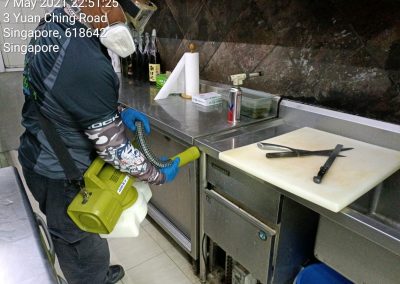
- Applying the right treatment for each pest, including hidden areas
- Advising on sealing gaps, drain care, and waste management
- Follow-up visits to confirm the problem has been cleared
What You Can Do at Home
- Keep food in sealed containers and clean up crumbs and spills each night
- Take out rubbish regularly and keep bins closed
- Remove standing water from plant trays, buckets and containers
- Clean drains and pipes periodically, and fix leaks promptly
- Reduce clutter in cupboards, under sinks and on balconies
- Seal visible gaps around pipes and cables where it is safe to do so
- Inspect secondhand furniture and luggage before bringing them into the home
When to Call a Professional
- A pest has been seen in more than one room
- The problem keeps returning after cleaning or DIY treatment
- You find droppings, gnaw marks, mud tubes or bites
- Neighbours are also reporting pests
- Your household includes young children, elderly people, or anyone with allergies or asthma
- A nest of bees, wasps or hornets is near your home
Pests in Your HDB Flat?
Speak to GreenCare about a professional inspection and a clear plan for your home.
Thorough inspection, targeted treatment, and follow-up for your HDB flat.