How Experts Remove Ceiling Booklice Without Ruining Décor
TL;DR:
Safeguard your home’s comfort and aesthetics by learning how experts remove ceiling booklice without damaging décor. This guide explains why booklice infest ceilings in humid environments like Singapore, the health and property risks they pose, and proven, minimally invasive removal techniques. You’ll discover actionable prevention tips and when to seek professional help — empowering you to make informed decisions for a healthy, pest-free living space.
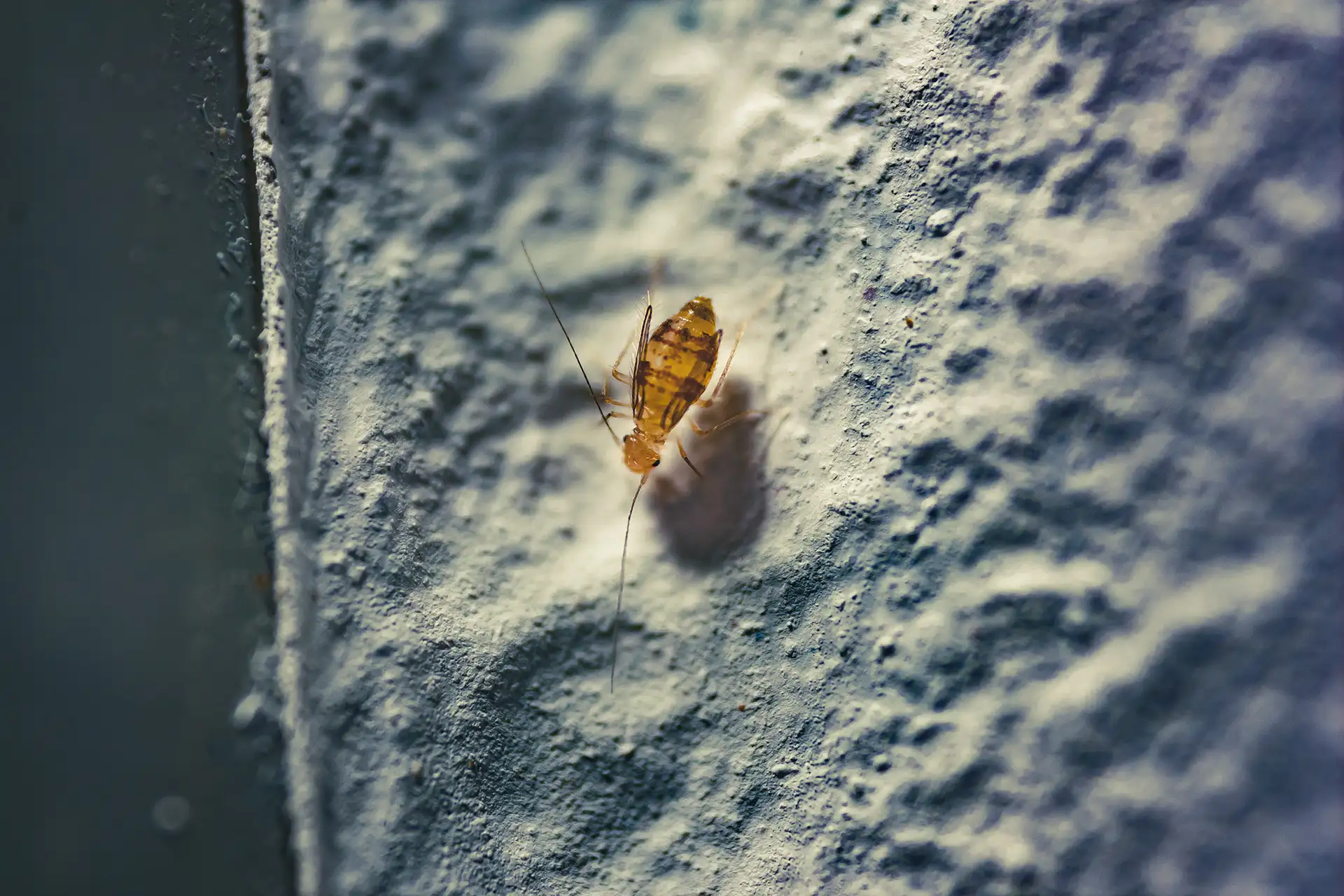
While most of us worry about visible threats—rodents, cockroaches, and ants creating unsanitary conditions—a less noticeable pest is crawling overhead. Booklice, barely visible at 1-2mm long, can infest ceiling spaces before you spot them. Booklice are one of Singapore’s easily overlooked pests, very common in homes across the island due to our humid climate.
These silent invaders thrive where other pests can’t, exploiting the blind spot: the ceiling. Left untreated, they become not just a nuisance, but a genuine health hazard that compromises your family’s wellbeing and your property’s integrity.
Why Do Booklice Infest Ceilings in Singapore?
Singapore’s constant humidity creates perfect conditions for booklice. They seek damp, warm spaces, most often appearing in bathrooms, kitchens, and poorly ventilated HDB flats where moisture collects. Booklice feed on microscopic mould that grows on damp surfaces, especially in ceiling corners. Textured ceilings in particular, provide countless hiding spots where colonies grow unnoticed.
Are Booklice Harmful?
Despite their small size, booklice pose legitimate concerns that shouldn’t be dismissed. While less notorious than other household pests, these tiny insects create problems that compound over time. Their presence signals underlying moisture issues that can weaken drywall ceilings, damage wood, and harm your health. Recognising these risks helps you know when professional intervention becomes necessary rather than optional.
Health Concerns
Booklice don’t bite or directly spread diseases. However, they indicate excess moisture and mould growth—serious health concerns. For individuals with respiratory issues or allergies, the mould associated with booklice can trigger asthma attacks and sinus problems. Many people report worsening allergy symptoms in booklice-infested spaces due to the insects’ airborne waste, which irritates the lungs. Children and elderly family members are especially vulnerable in such conditions.
Damage to Décor
Booklice can quietly damage your home’s appearance. They eat wallpaper paste, causing bubbling and peeling, and in severe cases, burrow into ceiling plaster and cause it to crumble. Artwork, books, and wall coverings are all at risk from these pests. They leave yellowish or brownish stains on light surfaces and tiny holes in painted areas. The moisture they thrive on also causes paint to bubble, ruining the aesthetic value of your interior design.
Effective Methods to Remove Booklice
Professional pest controllers use targeted approaches to eliminate booklice without harming your décor. They start with thorough moisture inspection, using specialised lighting to reveal hidden colonies. Unlike DIY treatments that miss hidden pests, experts target all colonies with safe products designed for ceiling surfaces. These treatments reach tiny crevices without damaging paint or decorative elements. In homes with valuable items, pest control specialists often use heat treatments. This process raises temperatures to levels that kill booklice but protect surrounding items. The heat penetrates wall cavities where sprays can’t reach.
How to Prevent Future Booklice Infestations
Preventing booklice infestations begins with addressing the conditions that allow them to thrive. These pests are drawn to damp, humid environments with mould. By taking proactive steps to manage these factors, you can create a less inviting space for booklice while preserving the comfort and safety for all.
From controlling indoor humidity to improving airflow and tackling mould growth, every measure plays a role in keeping booklice at bay. Pairing these efforts with professional guidance ensures long-term protection and peace of mind.
Lower Humidity
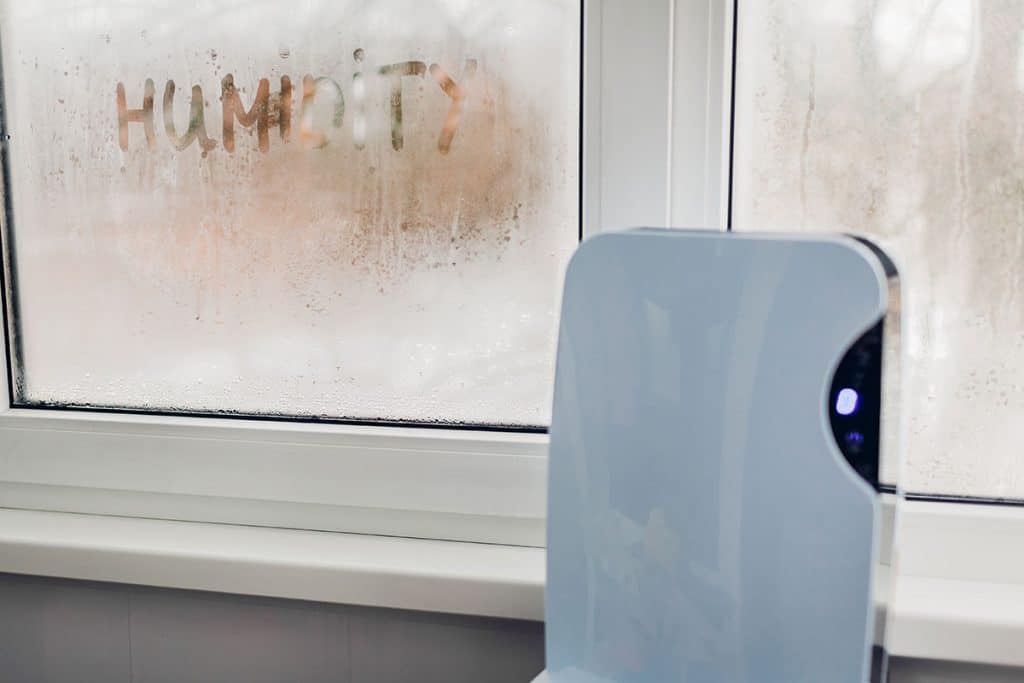
Keep indoor humidity below 50%. Use moisture meters in problem areas, especially during monsoon season. Request for pinless meters for non-invasive readings. Fix water leaks immediately—even small drips create perfect booklice conditions within 48 hours.
Improve Ventilation
Proper airflow helps eliminate the damp spots that booklice thrive in. Install ceiling fans and ensure that bathroom fans expel air outside. Keep interior doors open whenever possible to promote better air circulation.
Remove Mould
Any sign of mould should be promptly removed to eliminate food source for booklice. Check ceiling corners monthly for early signs, which often appear as slight discolouration. The affected areas can be safely cleaned with products designed for ceiling surfaces.
Use Dehumidifiers
Strategic placement of dehumidifiers dramatically reduces booklice survival. Position units in bathrooms, laundry rooms and near air conditioning units where condensation forms. Replace the dehumidifiers or clean the collection tanks regularly.
Call Pest Control Specialists
Professional intervention is crucial, as booklice multiply rapidly and can quickly turn a small issue into a widespread infestation. Trained specialists can detect subtle early warning signs that are often overlooked, taking swift action to stop the problem from escalating. Calling in expert pest control specialists is the most effective way to protect and maintain a healthy, pest-free environment.
Remove Booklice with Non-toxic Solutions with Greencare
Your ceiling shouldn’t be a hiding place for booklice, and your health shouldn’t be at risk because of them. At Greencare, Singapore’s leading pest control and cleaning specialists, we provide the safest and most efficient elimination methods in the market to remove and prevent pest infestations. If you need booklice pest control in Singapore, our specialists will help keep your space protected while maintaining its aesthetic appeal.
Whether you’re a homeowner protecting your family or a business owner ensuring a safe environment for employees and clients, invest in quality service for lasting relief. Professional intervention is key to stopping booklice from worsening respiratory issues.
Contact Greencare for an inspection today and reclaim your space with confidence.
Dust Mites Singapore | Professional Advice Dust Mites in Singapore Invisible household residents that thrive in humidity and can trigger allergies Tiny Residents You Will Never See Dust mites are microscopic relatives of spiders. They are too small to see with the naked eye, and they live in almost every home. They feed mainly on […]
Bed Bug Bites Singapore | Professional Control Bed Bug Bites in Singapore How to recognise them, how they differ from other bites, and when an infestation is the likely cause Bites That Appear Overnight Bed bug bites are often the first sign that something is wrong. They usually appear on skin that is exposed while […]
Mice Singapore | Professional Control Mice in Singapore Small rodents that slip through tiny gaps, nest in cupboards, and quietly damage your home Mice: The Quiet Rodent in Your Home Mice are often mistaken for a minor nuisance, but they can cause as much trouble as rats. They are small, curious and active mostly at […]
Get A Free Estimate Or Quote
Get a quick, no-obligation quote from
Greencare. A specialist will contact you as soon
as
possible. Or You May Call Us: