TL;DR:
Discover the key triggers of booklice infestations and learn practical steps you can take to safeguard your home. This article guides you through identifying favourable conditions for booklice, understanding their rapid spread, and implementing proven prevention methods — helping you protect your books, stored items, and living spaces from unwanted pests. Gain clear, actionable insights to manage indoor humidity and hygiene, making informed decisions that keep your environment pest-free.
Tiny, pale-coloured insects crawling around in your home isn’t a sight to behold. On the contrary, it can be disturbing and even traumatising.
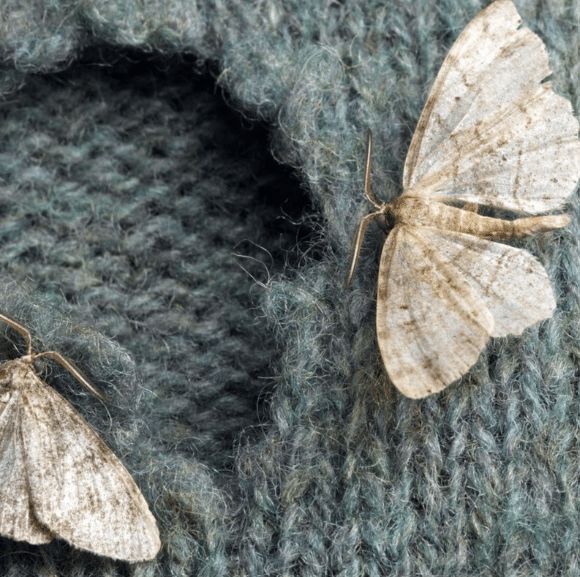
Booklice are soft-bodied outdoor insects with occasional appearances in buildings or homes. Less than 3/16 inches long with long antennae, they are generally white, grey, or brown with either four wings or none. Their most easily identifiable feature is a large nose called the clypeus.
Although harmless to humans and pets, booklice can turn into a nuisance in large numbers. Let’s find out the causes of booklice infestations and learn effective prevention strategies to protect your books, clothes, and other household items from these pesky insects.
What causes a booklice infestation?
Where there is high humidity and moisture, there will be booklice. They feed on anything that has mould, fungi, grains, insect fragments, and other starchy material, including glue.
Booklice aren’t only found in books; they have been spotted before in old furniture, storeroom products, rugs, paper, cardboard cartons, storage trunks, window and door casing voids, bath traps, and other areas where the humidity level is healthily high.
At just 1 to 2 mm in length, a booklice problem will usually go unnoticed at first as these pests are so tricky to spot. They can lay up to 50 eggs and complete development in just 4 weeks. In more suitable conditions, booklice can even produce multiple generations a year. They can grow to large numbers without you even realising it, quickly causing problems to your home or premise.
Luckily, there are a few ways for you to prevent your home from being infested with these pests.
How to prevent booklice infestations?
Reduce humidity
The best way to prevent visits from booklice is to avoid high humidity levels. The best is when the humidity levels are kept at a crisp 50% and below, as this would prevent and kill off any potential booklice that are lingering about.
Start ventilating your home correctly in areas like the bathroom and kitchen by opening your windows regularly. A smart way to help ease the ventilation process is to use a dehumidifier or fan to air out rooms and keep the air moving.
Cut off their food supply
As mentioned, booklice feed on mould, fungi and grains, among other things. Another way to booklice-proof your home is to reduce its food supply.
If any old articles or mouldy paper magazines are lying around, the best choice is to throw them out. If you’re dealing with small mould patches, clean the infested areas with borax or enzyme-based substances. This will eliminate the mould or mildew and act as an effective insecticide that kills any remaining booklice.
Ensure that your home maintains good ventilation and lower humidity levels to keep the mould from returning, and you’re good!
Note: Use a soft scrub brush and wear rubber gloves to protect your skin when dealing with these substances.
Dry out wet or humid areas
Areas like kitchens, basements, attics, closets, and storage areas tend to have the most moisture buildup — these are usually ideal spots for booklice to hide and lay eggs. The greatest deterrent to booklice is to keep these areas dry.
Silica aerogel and diatomaceous earth can dry out wet, humid areas that booklice are attracted to. Spray or sprinkle these desiccants in cracks, crevices, and crawl spaces to dry out targeted regions. Once any booklice comes into contact with these desiccants, killing them will take less than 48 hours.
Note: Keep children and pets away from silica or diatomaceous earth, as they can cause skin and nasal irritation.
Contact a professional
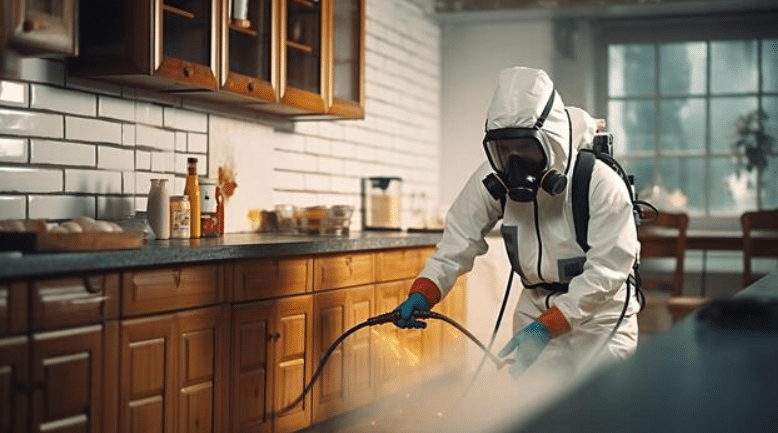
Suppose booklice have unfortunately become a recurring issue for you. In that case, it may signal that you have a bigger moisture problem. Regarding booklice control in Singapore, getting in touch with a total pest control solution like Greencare would help.
As one of the top NEA-approved pest control and pest management companies in Singapore, we will not only locate the areas of your home that need attention but also offer recommendations on modifications required to eliminate moisture and booklice once and for all.
With our line of personalised solutions, advanced equipment and value for service, you can expect the same exceptional assistance anytime.
Conclusion
While booklice aren’t dangerous, bugs are always a nuisance and can signal a more significant issue within a home.
Contact us at Greencare today to keep your home free from booklice and prevent potential damages!