Booklice on Walls: What They Are and How to Rid Them
TL;DR:
Worried about tiny insects on your walls? This article helps you identify booklice, explains why they appear in Singapore’s humid climate, and guides you through proven strategies to remove and prevent future infestations. Learn how to spot the signs early, reduce household humidity, and choose the most effective long-term solutions for a more comfortable, pest-free home.
Your home should be a comfortable place to unwind and rest after a long day, not a space where you feel uneasy at the sight of booklice on your walls, which can be common in Singapore’s humid weather. These tiny pests can be an unwelcome sight, causing discomfort for you, your family, and any guests.
If you’ve noticed these insects on your walls, it’s important to understand what they are, why they appear, and how to eliminate them to maintain a comfortable living environment.
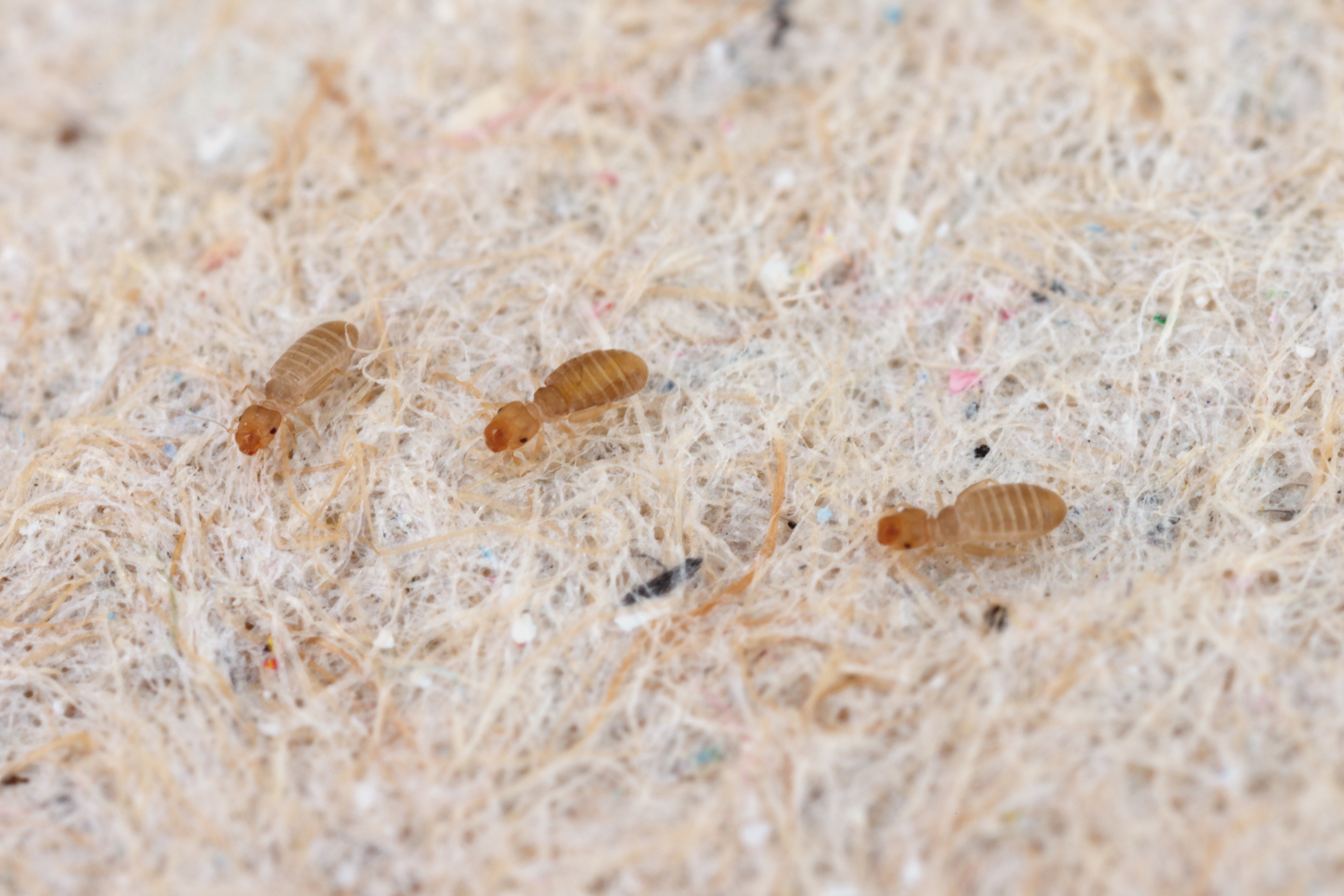
What Are Booklice?
Despite their name, booklice aren’t attracted to books alone. They thrive in damp and humid areas and are very small, usually only about 1-2 millimetres long. Although booklice are harmless to humans, they can become a nuisance if present in large numbers, potentially causing damage to various materials in your home.
Common Causes of Booklice on Walls Infestation
Have you noticed tiny insects on your walls? Understanding what might attract them is the first step in solving the problem. Let’s explore some common reasons booklice might be making themselves at home:
High Humidity: Booklice thrive in high humidity, making them more likely to appear in areas with elevated humidity levels.
Presence of Mould and Mildew: If you spot booklice, check for mould or mildew nearby. Booklice also feeds on mould spores, glue, and other starchy materials.
Poor Ventilation: Poor ventilation can increase humidity levels, leading to moisture buildup in certain areas of your home. Spaces with limited airflow, such as closets, bathrooms, and storage rooms, will likely develop damp conditions that attract booklice.
Impact of Booklice on Walls
Booklice might be small, but the damage they can cause isn’t. Here’s what you need to know about the impact they can have on your walls and belongings:
Staining and Deterioration of Walls: Booklice can damage wallpaper by feeding on the glue behind it. If you squash them on your walls, they can leave unsightly stains.
Damage to Books and Paper: Booklice don’t stay confined to walls; they may move to bookshelves and feed on the starch-filled paste in book bindings. This can be worrying for book lovers, especially if you have a collection of rare books. The damage might include staining, yellowing, or weakening the paper, making it brittle and prone to tearing. In severe cases, entire books or important documents can be ruined, particularly if the infestation goes unnoticed for a long time.
Food Contamination: If booklice infests your kitchen walls, pantry, or food storage areas, you may find it in your food. They are attracted to plant-based materials, including grains and cereals, which can be contaminated by their presence.
Signs You Have a Booklice Infestation
If you are unsure whether booklice has taken hold in your home, there are several signs that you can keep an eye out for. Spotting them early lets you handle the issue before it becomes a bigger problem:
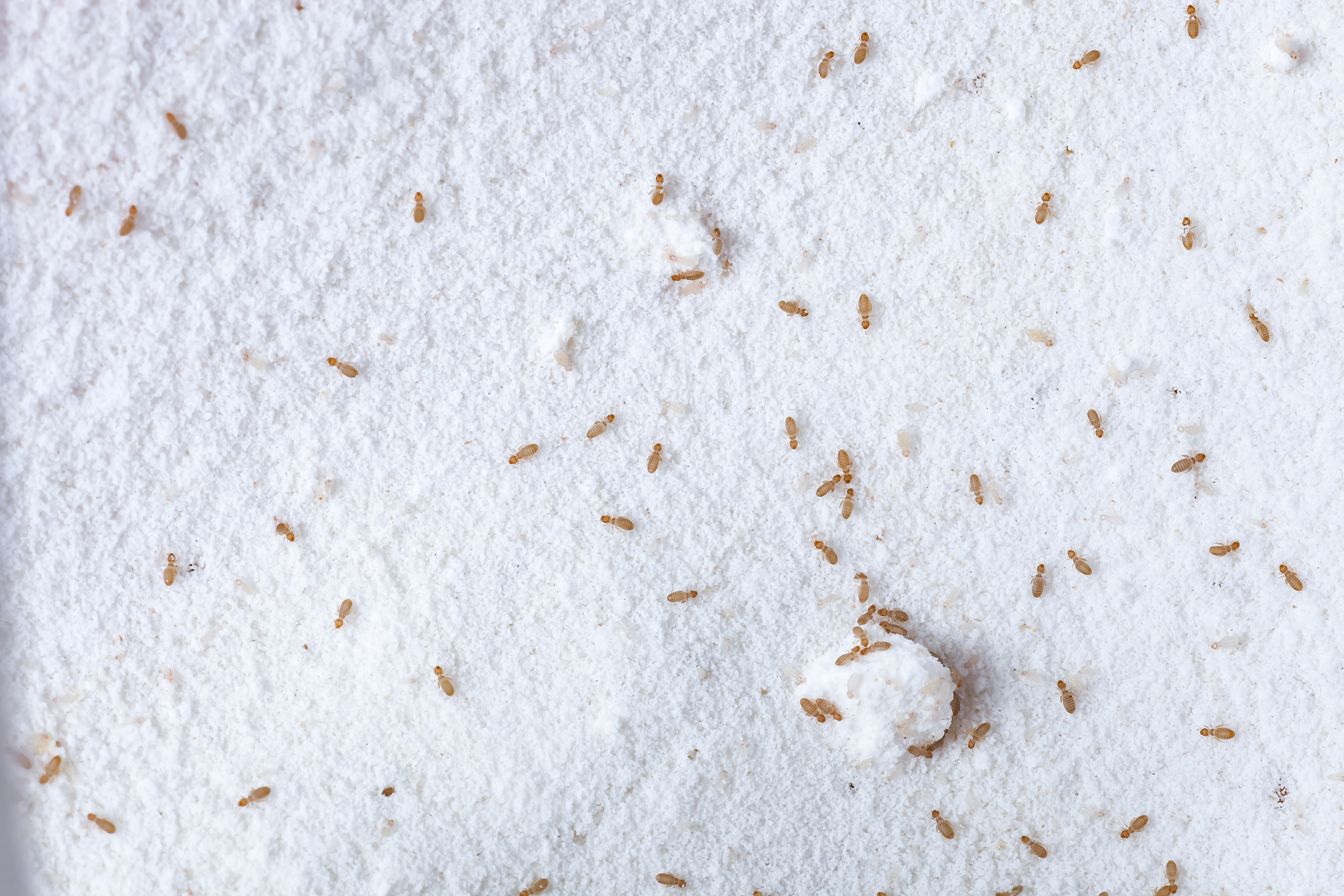
Eggs: Booklice eggs are tiny and hard to see, but they may be found in small clusters on damp surfaces, including walls, books, or food storage areas.
Visible Clusters of Booklice: If you notice small, light-coloured insects grouped on your walls, books, or other damp areas, this is a clear sign of an infestation. They are most visible in high-humidity areas or where mould is present.
Dusty Residue: Booklice leaves behind fine, powdery dust due to their feeding activity. This residue is often found on infested surfaces, especially where mould or mildew is present.
How to Prevent Booklice Infestation
It might feel overwhelming, but you can definitely stop booklice from infesting your home with the right strategies. Here’s how you can take control and prevent it from happening:
Moisture Control and Humidity Regulation
Booklice thrive in humidity levels between 75% and 90%. To minimise the risk of infestation, keep humidity levels below 50%. Use a dehumidifier in areas with high humidity, and check for leaks in bathrooms or kitchens, as even minor ones can encourage booklice to thrive.
Proper Ventilation and Air Circulation
Proper ventilation and air circulation help keep humidity levels down. Open windows and use ceiling fans to improve airflow and reduce moisture buildup.
Regular Cleaning Practices
Regular vacuuming removes booklice, dust, and mould, creating a clean and healthy living environment. Pay attention to areas where booklice is seen. Wipe down shelves containing food, books, or any potential food source for the insects. Be sure to thoroughly clean and launder clothes or bedding that have come into contact with booklice.
Effective Solutions for Booklice Removal
If you are currently dealing with a booklice infestation or are seeing signs of these insects around your home, here are some methods for removing them.
Natural Remedies and DIY Methods
You can lightly sprinkle diatomaceous earth in areas where booklice is frequently seen. Ensure the area is dry before applying it for maximum effectiveness. Be sure to use food-grade diatomaceous earth, as it is safe for humans and animals. You can also dust boric acid and silica aerogel into cracks and crevices where these insects are found, but be sure to place them away from pets and children.
Chemical Treatments and Professional Assistance
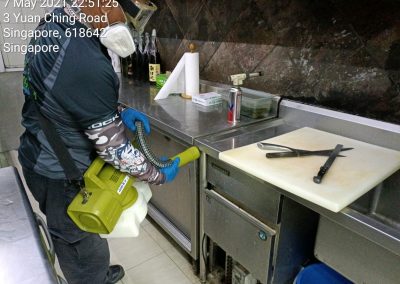
Home improvement stores sell insecticides specifically designed for booklice. However, if you’re unsure how to approach the infestation or if the problem is worsening, it’s best to seek professional assistance from pest control services such as Greencare.
Long-Term Prevention Strategies
Booklice are annoying, and seeing them can certainly make your skin crawl. To keep them away long-term, maintain good ventilation and low humidity levels in your home. You can also schedule regular inspections with a pest control service to ensure your home remains pest-free.
Get Professional Help For Your Booklice Infestation in Singapore
If you are struggling with a booklice infestation on your wall in Singapore, professional help can be the best solution. Pest control experts such as Greencare can provide effective treatments to eliminate booklice.
Additional Pest Control Services Available at Greencare include: Bedbug control, Cockroach control, Termite control, Mosquito control, and Disinfection & sanitisation services.
Rats Singapore | Professional Control Rats in Singapore How to spot them early, where they get in, and why they are a health risk Rats: Hidden Movement in Your Walls and Ceilings Rats are rarely seen in the daytime, which is why many households only notice them after the signs have built up for weeks. […]
Cockroaches Singapore | Professional Control Cockroaches in Singapore How to recognise them, where they hide, and why a few sightings often mean many more Why a Few Cockroaches Are Rarely Just a Few In Singapore homes, cockroaches are one of the most common pest problems, especially in kitchens, bathrooms and areas near drains. Because they […]
Pests After Haze in Singapore Why bugs show up indoors during and after haze, and what to check at home Bugs Appearing After Haze: What Is Really Happening Haze does not breed pests. Smoke and particulate matter do not create cockroaches, ants or silverfish, and there is no evidence that haze causes an outbreak […]
Get A Free Estimate Or Quote
Get a quick, no-obligation quote from
Greencare. A specialist will contact you as soon
as
possible. Or You May Call Us: