TL;DR:
Booklice infestations can quietly damage documents, packaging, and stored goods in Singapore’s commercial spaces. This guide explains how to spot early warning signs, reduce risk factors unique to office environments, and choose the safest, most effective booklice pest control solutions—so you can protect your business with confidence.
Booklice infestations can disrupt daily operations and damage valuable documents in Singapore’s humid office environments. Understanding booklice pest control is essential for business owners and facility managers who want to maintain a safe, healthy, and productive workspace.
This article walks you through the facts, dispels common myths, and outlines when to call in certified pest control professionals for lasting results.
Understanding Booklice in Singapore Offices
Before you can tackle a booklice problem, it’s important to understand what these pests are, how they behave, and why they’re drawn to certain office environments. Let’s take a closer look at the habits and warning signs of booklice infestations in commercial spaces.
What Are Booklice and Where They Thrive
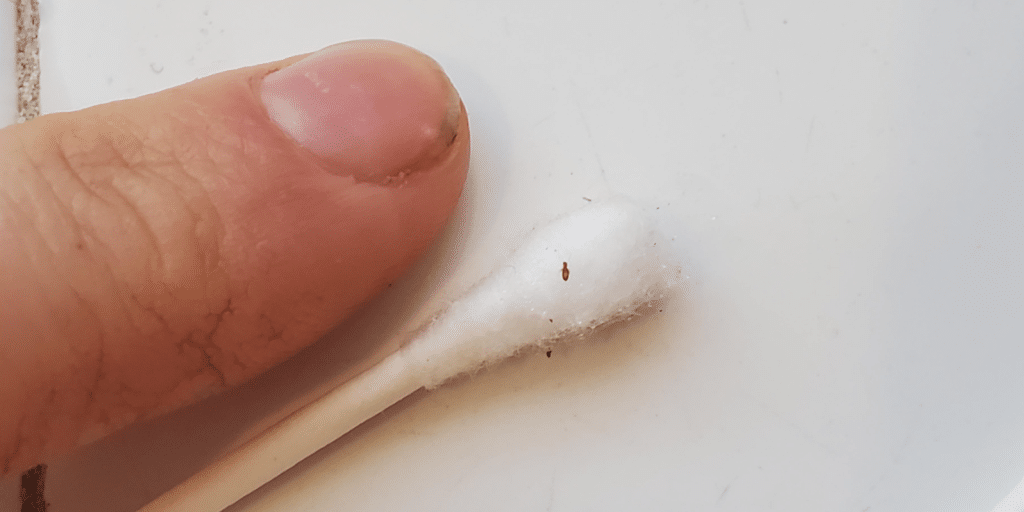
Booklice, also known as psocids, are tiny, soft-bodied insects commonly found in areas with high humidity and organic material. Despite their name, booklice do not bite or transmit diseases, but they can damage paper, books, packaging, and even stored food.
In commercial properties, they thrive in areas moisture accumulates, such as:
- Damp storerooms
- Air-conditioned offices with poor ventilation
- Around leaky pipes, air vents, or behind wallpaper.
Early Signs of Booklice Infestation
Early detection is key to effective booklice pest control. Look for these signs:
- Tiny, pale insects (1–2mm) crawling on books, files, or shelves
- Fine powdery residue on paper or cardboard
- Musty odours in storage areas
- Clusters of insects near windowsills, skirting boards, or air-conditioning units.
Noticed persistent signs of booklice, even after cleaning?
Take the next step with confidence—contact our pest control specialists and let us help you restore a pest-free workplace.
Why They Are Common in Commercial Buildings
Modern office buildings and retail spaces in Singapore often use central air-conditioning, which can create pockets of condensation behind walls, under carpeting, and inside false ceilings. These hidden damp zones, combined with infrequent deep cleaning of storerooms or archive rooms, provide ideal breeding grounds for booklice.
Shared ventilation systems and high-density shelving can also allow infestations to spread quickly between units or floors, especially when paper files, cardboard packaging, or pantry supplies are stored in humid corners. Without regular monitoring and moisture control, even well-maintained properties can experience recurring booklice problems.
How to Get Rid of Booklice in Buildings
Once you’ve identified a booklice issue, prompt action is key to preventing further spread and damage. Here are practical, evidence-based steps you can take to safely remove booklice from your workplace and address the underlying causes.
Lower Moisture Levels and Improve Ventilation
Reducing humidity is the most effective way to control booklice.
- Use dehumidifiers
- Fix leaks promptly
- Eure good airflow in storerooms and offices
- Regularly open windows or use exhaust fans to keep air moving, especially after heavy rain or cleaning.
Use Safe, Targeted Treatments
Avoid harsh chemicals or DIY sprays that may not address the root cause. Instead, opt for safe, targeted treatments such as:
- Silica gel or desiccant packs in storage areas
- Careful vacuuming of affected surfaces
- Wiping down shelves and equipment with a mild disinfectant.
Always follow safety guidelines and avoid contaminating sensitive documents or electronics.
Inspect and Monitor High-Risk Office Areas
Regular inspections help catch infestations early. Focus on:
Use sticky traps or monitoring cards to track pest activity discreetly.
Booklice Prevention in Offices
Eliminating an infestation is only half the battle—long-term prevention is essential to keep booklice from returning. These proactive measures will help you maintain a clean, pest-resistant office environment all year round.
Maintain Clean, Organised Storage Areas
Cluttered, dusty spaces attract booklice. It is advisable to:
- Store documents in sealed plastic containers
- Keep shelves dry
- Avoid stacking boxes directly on the floor
- Schedule routine cleaning and discard unused materials promptly.
Schedule Routine Pest Control Inspections
Professional inspections can identify hidden risks and prevent infestations before they start. Routine checks are especially important in older buildings or offices with a history of humidity issues.
When to Call Pest Control Experts
Some booklice problems persist despite your best efforts. If you’re facing ongoing issues or signs of a larger infestation, it may be time to seek professional support. Here’s how to recognise when expert intervention is the safest and most effective solution.
When Booklice Keep Returning Despite Cleaning
If booklice reappear after repeated cleaning and moisture control, the infestation may be more widespread than it seems. Persistent problems often indicate hidden sources of moisture or larger colonies.
When You Spot Signs of Widespread Infestation
Large numbers of booklice, visible damage to documents, or infestations in multiple rooms require immediate professional help. Addressing this issue early minimises property damage and helps prevent major disruptions to your business operations.
When Humidity or Mould Issues Persist
If you cannot control humidity or notice ongoing mould growth, it’s time to consult a certified pest control provider in Singapore known for safe solutions for booklice control. Professionals can assess building conditions, recommend structural improvements, and apply safe, effective treatments.
Partner with Greencare for Long-Term Pest Protection
For reliable, long-term protection against booklice, consider partnering with Greencare—a certified pest control provider in Singapore known for safe solutions for booklice pest control. Greencare delivers discreet, effective pest management tailored to your property’s unique needs, including odour control as part of a comprehensive service.
Our team conducts detailed inspections, applies non-toxic treatment options, and offers ongoing support to help keep your workplace pest-free. Contact us to safeguard your business and maintain a healthy office environment.