Booklice on Walls: Complete Singapore Removal & Prevention Guide
Psocids Treatment, Mold Removal, Humidity Control & HDB Solutions
What Are Booklice (Psocids)? Why Singapore Has So Many
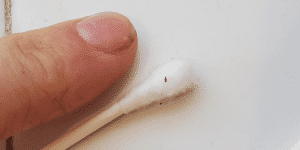
Booklice—also called psocids—are tiny (1-2mm), soft-bodied insects that look like microscopic specks crawling on walls and ceilings.
The key fact: They’re not actual lice and don’t bite or spread diseases. But they’re a MAJOR problem in Singapore because of one reason: humidity.
Singapore’s tropical climate (70-90% humidity year-round) is a booklice paradise. They feed exclusively on”
microscopic mold and mildew that thrives in damp conditions.
Where there’s booklice, there’s always mold. And where there’s mold, structural damage, health risks, and aesthetics problems follow.
Why booklice signal a bigger problem: Unlike cockroaches or termites, booklice are a symptom indicator. Seeing them means your home has excessive moisture, poor ventilation, and active mold growth. Killing the booklice without addressing moisture = they return within 1-2 weeks.
🔍 How to Identify Booklice: 7 Key Signs
Booklice are so tiny they’re nearly invisible until populations explode. Most Singapore homeowners don’t notice them until damage appears.
What Booklice Look Like
Size: 1-2mm (pinhead-sized or smaller)
Color: Off-white, pale brown, gray, or translucent
Body: Soft, wingless, teardrop-shaped
Movement: Slow, crawling motion. Active at night
Wings: Some species have tiny wings but cannot fly
7 Warning Signs of Booklice Infestation
1. Visible Insects on Walls/Ceilings
Tiny dots crawling on bathroom/kitchen walls or ceilings. Often noticed at night when they’re most active. Single sighting = colony already established.
2. Shed Exoskeletons
Tiny, transparent skins on window sills, bookshelves, or shelves. Sign of active breeding and multiple molts over weeks.
3. Damage to Books & Papers
Small holes, discoloration, or weakened bindings on books and documents. They eat wallpaper paste and paper starch.
4. Wallpaper Bubbling/Peeling
Booklice eat the starch in wallpaper paste, causing bubbling, peeling, and deterioration. Common in damp bathrooms/kitchens.
5. Musty/Moldy Smell
Strong musty odor in affected rooms. Indicates mold growth feeding the booklice population.
6. Stains on Light Surfaces
Yellowish or brownish tiny stains on walls, ceilings, or papers. From booklice droppings and body oils.
7. Ceiling Plaster Damage
Severe infestations: Booklice burrow into ceiling plaster, causing crumbling and structural weakening. Requires replastering.
⚠️ The Real Problem: Mold, Not Just Bugs
Booklice are visible sign of hidden mold infestation. If you see booklice on walls, assume mold is present in walls, ceilings, and HVAC systems. Professional mold removal + humidity control is necessary, not just pest treatment.
💧 Why Booklice Thrive in Singapore: The Humidity Factor
Perfect Storm: Singapore’s Climate
Year-round humidity: 70-90% (optimal for mold growth)
Temperature: 27-32°C (boosts mold reproduction)
Monsoon season (Nov-Jan): 90%+ humidity = exponential booklice growth
Indoor humidity: If not controlled, can reach 85-95% indoors
High-Risk Areas in HDB/Homes
Bathrooms: Constant moisture from showers. #1 booklice location in Singapore
Kitchens: Cooking steam + water leaks from pipes under sinks
Bedrooms with AC: Condensation on walls if AC is set too low
Storage rooms/Wardrobes: Poor air circulation traps moisture
Older HDB blocks: Poor ventilation, structural water seepage
Service yards: Laundry moisture + poor drainage
✓ Critical Finding
Maintaining indoor humidity below 50% makes booklice unable to survive. They can’t breed without mold, and mold won’t grow below 60% humidity. This is why humidity control is the #1 prevention method.
🦠 Health & Damage Risks
Are Booklice Dangerous?
Direct harm: Booklice do NOT bite, sting, or transmit diseases. They pose NO direct health risk to humans or pets.
Indirect harm: Much more serious. Their presence indicates systemic moisture and mold problems that CAUSE health issues.
Paint damage: Bubbling and discoloration from moisture (related to booklice environment)
Wood rot: Mold associated with booklice causes wooden frames to weaken
⚠️ Booklice = Structural Moisture Problem
Seeing booklice is a RED FLAG for structural moisture issues. Plumbing leaks, condensation problems, or foundation seepage may be causing the humidity. Without fixing root cause, booklice return within days of treatment.
🔬 Professional Treatment Methods
1. Plant-Based Insecticide Misting (Most Common)
Safe, eco-friendly mist applied to walls and ceilings targeting booklice and mold spores. Non-toxic, safe for children/pets once dry. Result: kills visible booklice within hours. Cost: SGD $150-300.
2. Heat Treatment (Most Effective)
Room temperature raised to 50-55°C for 4-6 hours, killing booklice and eggs without chemicals. Effective for severe infestations. Requires temporary evacuation. Cost: SGD $600-1,200.
3. Mold Removal + Anti-Mold Paint
Professional mold removal from walls/ceilings + application of anti-mold paint preventing regrowth. Addresses root cause (mold). Cost: SGD $400-800. Most comprehensive solution.
Professional humidity control plan: dehumidifier selection, placement, maintenance schedule. Target: keep humidity below 50%. Cost: SGD $300-600 (includes equipment).
ℹ️ Why One Treatment Isn’t Enough
Booklice eggs are laid in clusters and protected by moisture-resistant casings. Single treatment kills adults but misses eggs. Eggs hatch 1-3 weeks later, requiring follow-up treatment. Professional protocols include 2-3 visits spaced 2-4 weeks apart for complete elimination.
🛡️ Prevention: How to Keep Booklice Out (HDB & Homes)
Step 1: Control Humidity (MOST IMPORTANT)
Use dehumidifiers: Maintain indoor humidity 30-50%. Use hygrometers to monitor
Improve ventilation: Open windows during dry periods. Use exhaust fans in bathrooms (30 min after showers)
Air conditioning: Effective humidity control but can cause condensation if set too low
Avoid drying laundry indoors: Use outdoor lines or dryers. Laundry releases massive moisture
Step 2: Fix Moisture Sources
Repair plumbing leaks: Under-sink pipes are #1 source. Check monthly
Fix bathroom/kitchen leaks: Ceiling, walls, pipes. Professional plumber if severe
Check condensation: If windows fog up, humidity is too high. Improve ventilation
Service yard drainage: Clear drains. Water shouldn’t pool
Step 3: Clean & Prevent Mold
Clean bathroom weekly: Wipe walls, remove soap scum, check for black mold
Use mold-killing cleaners: Bleach solution (1:10) or commercial mold cleaners
Ventilate after showers: Leave bathroom door open and fan running for 30+ minutes
Remove or treat moldy items: Books, cardboard, papers showing mold damage. Discard or freeze books (mold dies at freezing temps)
Step 4: Store Items Properly
Books & papers: Dry, sealed containers with silica gel packs
Food storage: Airtight containers, not open shelves
Monitor storage areas: Check monthly for signs of dampness or mold
HDB-Specific Prevention
Check common areas: Floor traps, rubbish chutes, corridors with poor ventilation
Report moisture to Town Council: Leaking pipes, wet walls in common areas need immediate repair
Coordinate with neighbors: If block-wide booklice problem, organize group treatment (more cost-effective)
Seal cracks between units: Caulk gaps where pipes pass between units
❓ Common Questions
Can booklice spread between HDB units? Indirectly. They don’t travel far, but moisture problems (shared pipes, common areas) cause infestations across blocks. Individual treatment without block coordination has <30% success.
How long do booklice live? Adults live 2-3 months. Eggs hatch in 1-3 weeks. Under high humidity, a single booklouse can spawn hundreds in 6 weeks.
Can I use Baygon/DIY sprays? DIY sprays kill visible booklice but don’t address mold (the root cause). Booklice return within 1-2 weeks. Professional eco-friendly treatments are safer for children/pets.
Is booklice infestation a sign of dirty home? No. Booklice occur in clean homes with humidity/moisture problems. They’re not attracted to garbage like cockroaches.
🪳 Booklice on Your Walls? Act Now
Professional removal SGD $150-300. Waiting = mold spreads + ceiling damage + health risks. Most infestations require 2 visits (2-4 weeks apart) for complete control.
Termites (White Ants) in Singapore: Complete Control Guide Detection, Prevention, Treatment Costs & Protection for HDB, Condos & Landed Homes The Silent Destroyers: Why Termites Are Singapore’s Costliest Pest Termites—commonly called “white ants” in Singapore—are one of Asia’s most destructive pests. A single colony of 60,000 termites can consume a 2×4 wood beam in […]
Get A Free Estimate Or Quote
Get a quick, no-obligation quote from
Greencare. A specialist will contact you as soon
as
possible. Or You May Call Us: