Booklice in Your Singapore Home: What They Mean & How to Fix It
Tiny insects that signal a bigger moisture problem
What You’re Actually Seeing
Booklice are small, wingless insects (1-2 mm) that are soft-bodied and frequently found in homes. They feed on mold and fungi and are indicators of high humidity or moisture.
Important: Booklice do not survive when humidity falls below 45-50%. If you’re seeing them, your home’s humidity is too high. The booklice aren’t the main problem—the moisture is.
🔑 Key Understanding
Booklice are like a smoke detector for moisture problems. They don’t cause the fire; they just tell you one exists. Treating only the booklice without fixing humidity = they return in 1-2 weeks.
How to Identify Booklice in Your Home
What They Look Like
• Extremely tiny: 1-2mm (visible but barely)
• Soft-bodied, flat
• White, cream, gray, or light brown
• Moving quickly across surfaces
• Often mistaken for dust specs
Where They Hide
• Bathrooms (most common)
• Kitchen cabinets
• Storage rooms/wardrobes
• Ceilings with texture
• Damp books and papers
• Behind wallpaper (if peeling)
What You’ll Notice
• Tiny dark specs on walls (droppings)
• Visible insects on bathroom walls at night
• Musty/moldy smell in affected areas
• Paper/book damage (weakened bindings)
• Wallpaper bubbling or peeling
Why Singapore Has Booklice Problems
Singapore’s tropical climate has 70-90% humidity year-round—this is optimal for mold growth which booklice feed on.
The cycle:
High humidity (70-90%) → Mold grows on surfaces, paper, wallpaper
Mold present → Booklice arrive to feed on it
Booklice visible → Problem is already established
The Humidity-Mold-Booklice Connection
Below 50% humidity: No mold growth, booklice cannot survive
Booklice thrive in conditions with 75-90% relative humidity where mold grows abundantly. Singapore’s climate naturally creates this environment.
Are Booklice Dangerous?
Direct harm: Booklice are harmless to people or pets. They do not bite, sting, or transmit diseases.
Indirect harm (from the moisture/mold they indicate):
Mold can trigger allergic reactions, respiratory problems, and other health issues, particularly for individuals with compromised immune systems or pre-existing conditions like asthma
They do chew up the glue in books, meaning pages may come undone and weaken over time
Damage to wallpaper, ceiling plaster, paint
Structural moisture damage if unchecked
Bottom line: The booklice themselves don’t hurt you. The humidity and mold they indicate can.
How to Fix It (In Priority Order)
1. Reduce Humidity (Most Important)
• Purchase a dehumidifier for affected rooms
• Target indoor humidity: 30-50%
• Run continuously in bathrooms, storage areas
• Empty and clean dehumidifier regularly
2. Improve Ventilation
• Open windows on dry, warm days
• Use exhaust fans in bathrooms/kitchen
• Keep air moving with ceiling fans
• Don’t trap moisture in closed spaces
3. Fix Water Sources
• Repair leaking pipes immediately
• Check under sinks, AC condensation lines
• Ensure proper drainage around home
• Seal gaps where moisture enters
4. Clean Mold
• Wipe affected areas with mold-killing cleaner
• Dry completely with cloth or fan
• Don’t use wet mops (adds moisture)
• Dispose of heavily molded items
Critical: Without fixing humidity, pest treatment will fail. Booklice return within 1-2 weeks if moisture remains.
Prevention: Keep Them From Returning
Maintain Humidity Below 50%
Dehumidifier is your best investment
This alone prevents booklice from breeding. No humidity = no mold = no booklice.
Store Items Properly
Keep books/papers in dry conditions
Use airtight containers for stored grains, books, important documents. Keep off floors.
Regular Cleaning
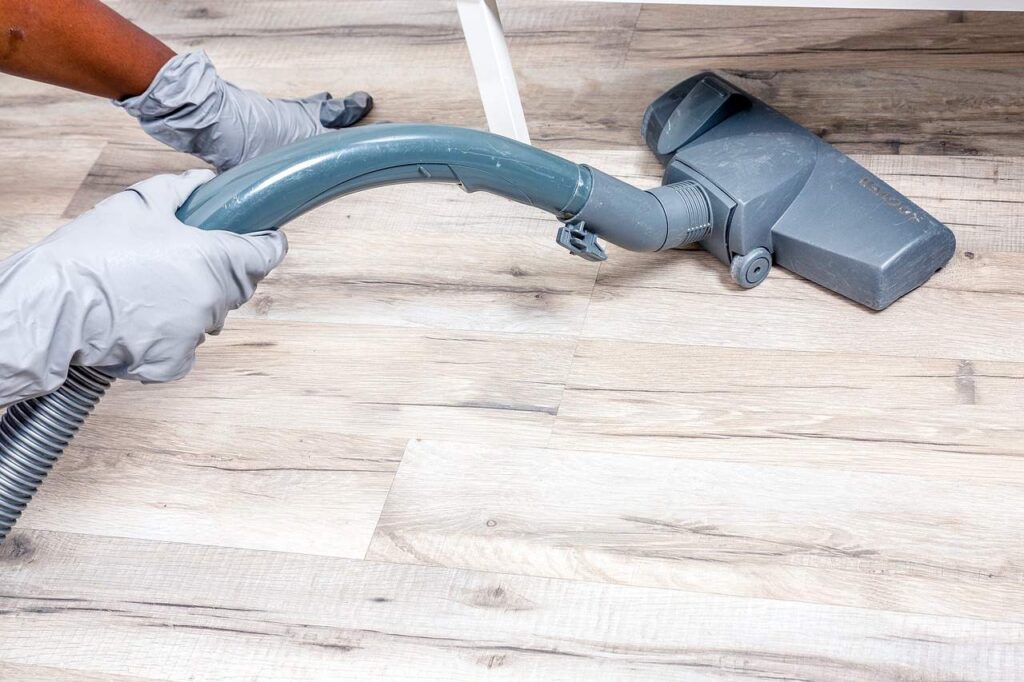
Dust and vacuum frequently
Removes dust where mold spores hide. Use dry methods (vacuum, dry cloth), not wet mops.
Monitor Problem Areas
Weekly checks during rainy season
Bathrooms, storage, areas near pipes. Early detection prevents spread.
Fix Leaks Immediately
Water is the root cause
Any dripping pipes, AC condensation, or seepage must be fixed fast.
Quick FAQ
Do booklice bite or sting?
No. Booklice don’t bite, sting, transmit diseases, or infest people or animals. They’re completely harmless to humans and pets.
Can booklice damage my home?
Not directly. But the mold they feed on can damage books, wallpaper, ceiling plaster, and paint. Severe moisture problems can cause structural issues over time.
How long do booklice live?
Lifecycle from egg to adult can be completed in less than one month in warm conditions. This is why they multiply so quickly in Singapore’s heat.
Will treating just my unit work in an HDB block?
Partially. Humidity control in your unit works for your space. But if neighbors have moisture problems, insects may spread through shared walls/pipes. Block-wide humidity awareness is ideal.
Can I prevent booklice with just a dehumidifier?
Often yes, if the dehumidifier is appropriately sized and run consistently. Combined with ventilation and leak repairs, it’s usually sufficient.
What if I can’t afford professional treatment?
Start with dehumidifier and improved ventilation. This fixes the root cause. If booklice persist after 4 weeks of humidity control, then consider professional help.
When to Call Professional Help
Widespread infestation: Booklice in multiple rooms despite humidity control
Recurring problem: They return within 2 weeks of treatment
Mold damage visible: Structural damage to ceiling, walls, or foundation
Health concerns: Family members experiencing respiratory issues
Inability to control humidity: Despite dehumidifier, humidity stays above 60%
Professional Spider Pest Control Singapore Expert inspection, treatment methods, and comprehensive elimination strategies Spider infestations develop quickly and hide in plain sight. Rapid reproductive cycles allow a single egg sac to hatch hundreds of spiderlings at once, which can turn a minor sighting into a full-scale infestation very quickly. DIY removal only addresses […]
House Centipedes in Singapore Why they’re in your home, venom facts, and professional pest control solutions Fast-moving centipedes crossing your bathroom floor = pest problem indicator. House centipedes are shy. They prefer to run and hide instead of fight. Most centipedes are beneficial because they eat pest insects.If centipedes are in your home, […]
Spider Control in Singapore Common species, venom facts, professional removal & prevention strategies Spiders look intimidating. But most are beneficial. There are over 800 species of spiders found in Singapore, however, most of them live in the jungles and forested areas of Singapore. Only a small fraction of Singapore spiders live in urban […]
Get A Free Estimate Or Quote
Get a quick, no-obligation quote from
Greencare. A specialist will contact you as soon
as
possible. Or You May Call Us: