Drain Flies in Singapore: Why They Appear & How to Eliminate Them
Drain Flies in Singapore: Why They Appear & How to Eliminate Them
The complete guide to understanding and defeating tiny bathroom and kitchen pests
The Drain Fly Problem in Singapore
In Singapore’s tropical climate, it takes approximately 1 week for a fly egg to develop fully into an adult, making infestations particularly rapid. This compressed life cycle—unique to tropical regions—means that what starts as a minor problem becomes a major infestation within days if left unaddressed.
The good news: Drain flies are entirely preventable and controllable once you understand their biology and habitat.
What Are Drain Flies? Detailed Identification
🪰 Physical Characteristics
Size:
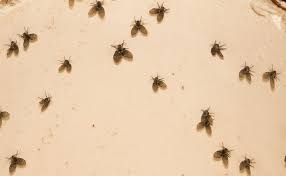
2-5mm (roughly the size of a fruit fly or gnat)
Appearance:
Light gray or tan with a fuzzy, moth-like body covered in fine hairs
Wings:
Distinctive leaf-shaped wings held roof-like over their bodies when at rest
Movement:
Poor fliers that make short, hopping flights rather than sustained flying
Activity:
Most active in evenings and night hours. Prefer dark, moist areas
Eggs hatch rapidly into larvae (thin, tube-like worms 4-10mm long)
Speed: 32-48 hours from laying to hatching
Day 2-7: Larval Stage
Larvae feed on organic matter in drains. Grow through multiple molts
Duration: 7-28 days depending on conditions (warm = faster)
Day 7: Adult Emergence
Larvae pupate and emerge as adult flies ready to lay eggs
Total time: 1 week in tropical Singapore vs 3-4 weeks in cooler climates
Day 7+: Cycle Repeats
One female produces multiple batches. Population doubles within days
Reproductive potential: Hundreds of flies from single infestation in weeks
Where Drain Flies Breed: Common Hotspots
In Singapore properties, drain flies tend to congregate in specific locations:
🚽 Bathroom Drains
Floor traps, especially in guest bathrooms and less-used spaces. Stagnant water is ideal.
🚿 Shower Drains
Accumulation of soap residue, hair, dead skin creates perfect biofilm layer.
🍽️ Kitchen Sinks
Food waste, grease buildup, and garbage disposal residue are breeding magnets.
💧 Floor Traps
A dry floor trap is the number one cause of recurring drain fly problems in Singapore homes.
🏭 Garbage Disposals
Food particles and moisture create perfect larvae habitat.
💦 Standing Water
Under refrigerators, AC drip pans, wet areas near leaky pipes.
What Attracts Drain Flies (And What They’re Really After)
Drain flies are biological indicators of Biofilm—a bacterial slime coating your pipes. They’re not attracted to the drain itself—they’re attracted to the organic buildup inside.
The biofilm layer contains:
Decomposing hair and dead skin cells
Soap residue and shampoo buildup
Food particles and grease
Bacteria and fungal matter
Mineral deposits and slime
This organic sludge is where drain flies lay eggs and where larvae feed. Remove the biofilm, and drain flies have no reason to stay.
Prevention: Stop Drain Flies Before They Start
1. Weekly Floor Trap Flush
• Pour water into every floor trap weekly
• Especially important in guest bathrooms
• A dry floor trap invites infestation
• Takes 2 minutes, prevents weeks of problem
2. Fortnightly Deep Drain Scrub
• Remove drain covers every 2 weeks
• Scrub with stiff brush to remove slime
• Follow with boiling water or enzymatic cleaner
• Break the biofilm layer where eggs are laid
3. Monthly Deep Clean
• Mix baking soda + vinegar solution
• Pour down affected drains
• Leave overnight, flush with boiling water
• Dissolves organic film where eggs hide
4. Fix Leaks & Manage Moisture
• Repair dripping pipes immediately
• Wipe drains dry after use (especially showers)
• Use exhaust fan during/after shower (20-30 min)
• Reduce humidity that attracts flies
DIY Treatment Methods That Actually Work
Boiling Water Method (Most Effective)
Pour boiling water directly down affected drains once daily for at least a week. The scorching temperature helps kill eggs and larvae, and at the same time, loosens accumulated grime.
Boil a kettle of water
Pour slowly down drain
Repeat daily for 7 days minimum
Kills eggs and larvae on contact
Breaks biofilm layer
Baking Soda + Vinegar (Gentle, Effective)
Pour a mixture of half a cup of baking soda, half a cup of salt, and one cup of white vinegar down each drain. Leave overnight and flush with boiling water in the morning.
Mix 1/2 cup baking soda + 1 cup vinegar
Pour down drain slowly (it will fizz)
Cover drain opening to trap bubbling action
Leave 1-2 hours minimum
Flush with hot water
Borax Solution (Overnight Treatment)
Ideal for drains you don’t use often (guest bathrooms).
Mix 1/2 cup borax with 2 cups hot water
Pour down drain
Leave overnight (8+ hours)
Flush with hot water in morning
Works slowly but effectively
Drain Fly Traps (Apple Cider Vinegar)
Catch adult flies to reduce population while you eliminate breeding grounds.
Fill bowl with apple cider vinegar
Add few drops of dish soap
Cover with plastic wrap
Poke 3-4 small holes in plastic
Place near affected drain
Flies attracted to vinegar, trapped by soap
Common Drain Fly Myths (Debunked)
❌ Myths That Mislead Homeowners
Myth: “Drain flies are a sign my bathroom is dirty”
Reality: They’re a sign of organic buildup and moisture, not cleanliness. Even pristine homes can have drain flies if drains aren’t regularly maintained.
Myth: “Bleach will kill them”
Reality: Bleach flows too quickly through pipes to kill eggs and larvae. Boiling water is far more effective because of temperature and contact time.
Myth: “Drain flies carry serious diseases”
Reality: Drain flies themselves do not carry diseases, but they can transfer bacteria and pathogens from sewage and other contaminated areas to surfaces in your home. Hygiene is important but they’re not a major health hazard like cockroaches.
Myth: “A drain cleaner product will solve it”
Reality: Over-the-counter drain cleaners kill some flies but don’t address the root cause—the biofilm layer where eggs are laid. Regular manual cleaning is more effective.
When to Seek Professional Help
DIY methods work for mild infestations (1-2 drains). Consider professional help if:
Infestation persists after 2 weeks of daily treatment
Multiple drains are severely affected
Drains are complex or hard to access
You need guaranteed results quickly
It’s a commercial kitchen or food preparation area
Professional services offer specialized treatments: Microbial drain treatments (professional-grade bacterial formulations), Drain fogging (specialized equipment), Drain line inspection (camera inspection), Complete drain system treatment.
Frequently Asked Questions
How long will it take to get rid of drain flies?
DIY methods: 1-3 weeks of consistent treatment. Professional treatment: 3-7 days of intensive care. The key is consistency—one missed day can allow the cycle to continue.
What’s the difference between drain flies and fruit flies?
Drain flies are darker, fuzzier, moth-like, found near drains and moist areas. Fruit flies are smaller, brownish-yellow, found near food. Drain flies indicate a sanitation/moisture issue; fruit flies indicate food management issue.
Can I use drain cleaners safely?
Chemical drain cleaners work but boiling water is safer, cheaper, and more effective for drain flies. If using chemicals, follow instructions carefully, use ventilation, and wear protective gear.
Will they come back?
Yes, if you don’t maintain prevention habits. Weekly floor trap flushing and regular drain scrubbing prevent re-infestation. Drain flies are seasonal markers—when you see them, it means conditions are right for breeding.
Are drain flies a sign of bad plumbing?
Not necessarily. They’re a sign of normal biofilm buildup that occurs in any draining system in Singapore’s humid climate. Regular maintenance prevents problems regardless of plumbing quality.
Take Action Today: Stop Drain Flies This Week
One day without maintenance = re-infestation risk.
Start a weekly drain maintenance routine and eliminate the problem permanently.
✓ Drain inspection and severity assessment
✓ Identification of all breeding sites
✓ Professional treatment plan
✓ Preventive maintenance schedule
✓ Follow-up monitoring
✓ Lifetime recurrence prevention strategies
Rats in Singapore Homes: Identification, Health Risks & Prevention A comprehensive guide to understanding, preventing, and managing rat infestations The Rat Problem in Singapore Rats and mice cause the most problems in our living environment. They can infest food, damage houses and buildings, and threaten public health. Singapore’s warm, humid climate and dense […]
Your Child’s Allergies Might Be in the Mattress What parents need to know about dust mites in Singapore homes The Invisible Problem in Every Bedroom The likely culprit? The thing your child sleeps on every night: the mattress. A typical mattress can harbor anywhere from 100,000 to 10 million dust mites. And over […]
싱가포르 집의 먼지다듬이: 의미와 해결 방법 습도 문제를 나타내는 미세한 곤충 실제로 보고 있는 것은 무엇인가 먼지다듬이(또는 책벌레라고도 함)는 작은 무날개 곤충(1-2mm)으로 곰팡이와 진균을 섭식하며 높은 습도 또는 습기의 표시입니다. 중요:습도가 45-50% 이하로 떨어지면 먼지다듬이는 생존할 수 없습니다. 만약 이들을 보고 있다면, 당신의 집의 습도가 너무 높다는 뜻입니다. 먼지다듬이 자체가 주요 문제가 아니라—습도가 […]
Get A Free Estimate Or Quote
Get a quick, no-obligation quote from
Greencare. A specialist will contact you as soon
as
possible. Or You May Call Us: