Booklice in Singapore: The Moisture Problem They Reveal
Booklice in Singapore: The Moisture Problem They Reveal
Why these tiny insects aren’t the real problem—and what actually is
What Booklice Really Mean for Your Home
Booklice are not actually lice, and they don’t actually eat books. They are psocids that feed on mould and fungi. More importantly, they don’t bite, don’t transmit diseases, and aren’t the actual problem in your home.
They’re a symptom of a much bigger issue: moisture and mold.
The Moisture-Mold-Booklice Connection: Why This Matters
The Problem Chain
Booklice don’t cause problems—they reveal them. Understanding this chain is essential.
High Humidity (70-90%)
Singapore’s tropical climate creates constant moisture in the air
Condensation & Dampness
Water condenses on cool surfaces (walls, ceilings, corners), creating wet environments
Mold & Fungi Growth
They feed exclusively on microscopic mold and mildew that thrives in damp conditions.
Booklice Arrive
The mold is their food source. Where there’s mold, booklice follow within days
Structural & Health Risks
Mould can trigger allergic reactions, respiratory problems, and other health issues, particularly for individuals with compromised immune systems or pre-existing conditions like asthma.
Critical insight: Without fixing root cause, booklice return within days of treatment. This is why treating only the booklice—without addressing moisture—never works long-term.
What Booklice Actually Look Like (And Why You Might Miss Them)
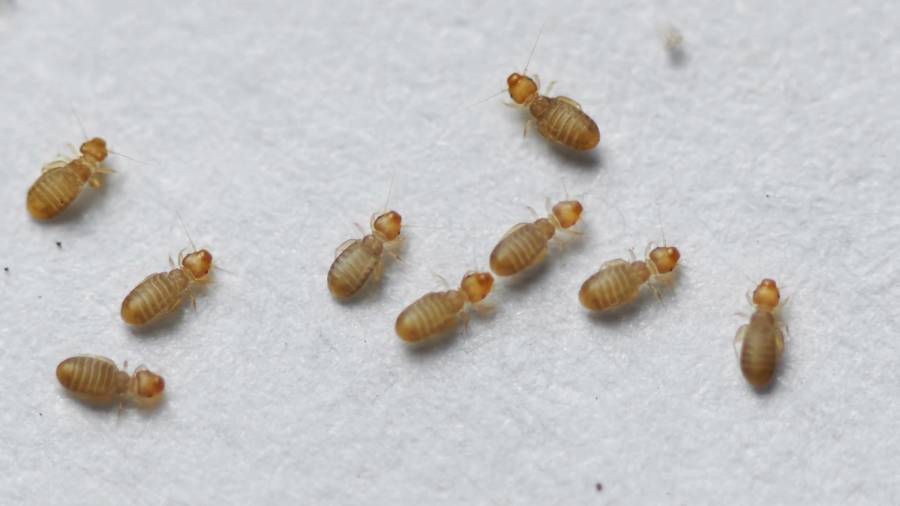
Booklice are psocids that are tiny (1-2mm), soft-bodied insects that look like microscopic specks crawling on walls and ceilings. This tiny size is why identification is often difficult—they’re barely visible without close inspection.
You might see:
Tiny, translucent or grayish specks on walls, ceilings, or shelves
Movement in damp areas (bathrooms, kitchens, storage rooms)
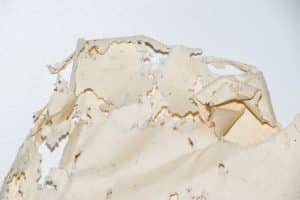
Damage to stored books, documents, or cardboard (tiny holes where they’ve fed on binding glue and mold)
Contamination of stored grains, rice, or flour (mold-infested foods attract them)
Despite their tiny size (1-2mm), booklice live and hide anywhere with easy access to food. Our clients typically find booklice in their bedroom, along with booklice eggs.
Where Booklice Hide: The Hotspots
Singapore’s tropical climate (70-90% humidity year-round) creates optimal conditions in specific rooms.
🚽 Bathrooms (#1 Risk)
Constant moisture from showers. Poor ventilation allows humidity to linger. Walls and ceilings are prime breeding grounds for mold and booklice.
🍳 Kitchens
Cooking steam + water leaks from pipes below sinks. Stored foods and cardboard attract them. Condensation on windows is a warning sign.
❄️ AC Bedrooms
Temperature difference between AC and room temperature creates condensation on walls. Cold, damp surfaces are ideal for mold growth.
📦 Storage Areas
Wardrobes, storerooms, cupboards with poor ventilation. Books, documents, and fabrics stored in humid conditions become infested.
🏢 Older HDB Blocks
Structural water seepage, poor ventilation systems, damp common areas. Water damage from above units creates persistent moisture.
🏗️ Ceilings (Textured)
Countless hiding spots in texture. Condensation and water stains indicate active mold growth where booklice breed.
Common Booklice Myths (Debunked)
❌ Myths That Lead to Failed Treatment
Myth: “Booklice are a hygiene problem—my house must be dirty”
Reality: They appear in clean homes with high humidity. Cleanliness isn’t the issue; moisture is.
Myth: “I can just spray pesticide and they’ll go away”
Reality: Spraying kills visible booklice but leaves mold intact. They return within 1-2 weeks without moisture control.
Myth: “Booklice damage books like silverfish do”
Reality: Booklice don’t eat books. They eat mold on books. The mold—not the booklice—causes damage.
Myth: “If I see booklice, my house is infested”
Reality: Seeing a few booklice is normal in Singapore. A problem is ongoing sightings despite cleaning = moisture issue.
Myth: “I should focus on killing booklice first, then worry about moisture later”
Reality: This backwards approach guarantees failure. Fix moisture first. Booklice disappear when their food source (mold) disappears.
Humidity: The Real Culprit & How to Control It
Booklice infestations are often linked to moisture problems and the presence of mold, which serves as their primary food source. Understanding the root causes of booklice in your home can help in effectively managing and preventing these pests.
Humidity Levels & Booklice Risk
Safe
Below 50% Humidity
✓ Booklice cannot breed. Mold cannot grow. Ideal target for Singapore homes.
50-60% Humidity
⚠ Borderline. Mold may start growing. Booklice population stable but not increasing rapidly.
60-70% Humidity
⚠ High Risk. Mold grows actively. Booklice breeding accelerates. Common in Singapore kitchens/bathrooms.
Singapore’s ambient humidity: 70-90% year-round. This means you’re constantly fighting moisture. Without active humidity management, booklice problems are inevitable.
Prevention: The Real Solution
By keeping the humidity levels in your house low (<60%). You can do this mainly by maintaining good ventilation throughout the house.
1. Use a Dehumidifier
• Target humidity: 30-50%
• Place in bathrooms, kitchens, bedrooms
• Maintain indoor humidity levels between 30% to 50% to deter mold growth and booklice
• Check and empty water reservoir regularly
2. Improve Ventilation
• Keep windows and doors open when weather permits
• Run bathroom exhaust fans 30+ minutes after showers
• Use ceiling fans to increase air circulation
• Avoid drying large amounts of laundry indoors
3. Fix Water Sources
• Repair leaky pipes immediately
• Check AC condensation—ensure it drains properly
• Clear blocked drains and yard drainage
• Wipe condensation from windows daily
4. Store Items Smartly
• Books & papers: Sealed containers with silica gel packs
Focus on wall corners, window frames, ceiling edges
Dry completely with cloth or fan
Apply weekly until no visible mold remains
Natural Moisture Absorbers
Supplement dehumidifiers in small spaces.
Place silica gel packs in storage areas
Use commercial moisture absorbers (Silica, charcoal bags)
Change monthly or when saturated
Works best in wardrobes and small cupboards
Item Preservation
Protect valuable books and documents while reducing humidity.
Seal valuable items in airtight plastic containers
Add silica gel packs inside containers
Store in cool, dry location
Check quarterly for moisture
When to Seek Professional Help
DIY methods work for prevention and minor infestations. Consider professional intervention if:
Persistent booklice: Ongoing sightings despite humidity control efforts
Widespread mold: Visible black or green mold on walls, ceilings, or structural materials
Structural damage: Wood rot, paint peeling, or water stains indicating deep moisture problems
Health concerns: Family members experiencing allergies, asthma, or respiratory issues related to mold
Water seepage: Active water intrusion from outside or above units (requires professional diagnosis)
Hidden infestations: Booklice suspected in walls or inaccessible areas
Frequently Asked Questions
Can booklice infest my food?
Yes, but only if it has mold. High humidity levels promote mold growth in cereals and other stored foods which draw booklice in. Store all dry goods in airtight containers, especially in humid areas.
How long do booklice live?
Booklice lives anywhere from two weeks to four months depending on the environment they are living in. Higher humidity and abundant mold = longer lifespans and faster reproduction.
Do booklice bite or spread disease?
No. Booklice are scavengers so you can rest your mind about booklice bites. They don’t bite, don’t transmit disease, but they do indicate a mold problem that affects health.
Why do booklice return after treatment?
Without fixing root cause, booklice return within days of treatment. Killing booklice without reducing humidity and removing mold guarantees their return within 1-2 weeks.
What humidity level should I aim for?
Below 50% is ideal for Singapore. Maintain indoor humidity levels between 30% to 50% to deter mold growth and booklice. Below 50% makes it impossible for mold to grow and booklice to breed.
Stop Treating Booklice. Fix Your Moisture Problem.
Booklice aren’t the enemy. Humidity and mold are.
Focus on controlling moisture, and booklice disappear without any other intervention needed.
Booklice Damage: Protecting Your Books, Documents & Valuables Why prevention is always cheaper than replacement in Singapore’s humid climate Your Valuable Items Are at Risk—But It’s Preventable You’ve just discovered tiny damage marks on a book you inherited from your grandmother. Or you notice your family photo albums showing signs of mold. […]
Drain Flies in Singapore: Why They Appear & How to Eliminate Them The complete guide to understanding and defeating tiny bathroom and kitchen pests The Drain Fly Problem in Singapore In Singapore’s tropical climate, it takes approximately 1 week for a fly egg to develop fully into an adult, making infestations particularly rapid. This compressed […]
Rats in Singapore Homes: Identification, Health Risks & Prevention A comprehensive guide to understanding, preventing, and managing rat infestations The Rat Problem in Singapore Rats and mice cause the most problems in our living environment. They can infest food, damage houses and buildings, and threaten public health. Singapore’s warm, humid climate and dense […]
Get A Free Estimate Or Quote
Get a quick, no-obligation quote from
Greencare. A specialist will contact you as soon
as
possible. Or You May Call Us: