Practical guide for travelers to avoid bringing bed bugs home
Bed bugs are a traveler’s nightmare. They hide in hotel mattresses and travel home in your luggage. One infested room means thousands of bed bugs in your Singapore home.Inspecting hotel rooms before unpacking prevents infestations. Knowing what to look for protects your family.
Why Bed Bugs Spread From Hotels
Unlike most pests that result from poor hygiene and housekeeping standards, bed bugs are cross infestation based and enter from the outside. Hotels can’t prevent every case.
Bed bugs hitch rides in luggage. A single infested suitcase brings hundreds of bed bugs into your home.
Bed bugs thrive in hotel environments with constant guest traffic
They hide in mattresses where travelers sleep
Multiple guests per room increases infestation spread
Hotels of all classes report bed bug problems
Signs of Bed Bug Infestation
Learn what bed bugs look like and where they hide. Early detection stops infestation before it spreads.
Blood stains on bedding
Small red or dark brown stains on sheets. These appear where bed bugs were crushed or fed.
Fecal spots
Tiny black or dark brown specks. They look like ground pepper or mold. Found on mattress seams and furniture.
Live bed bugs
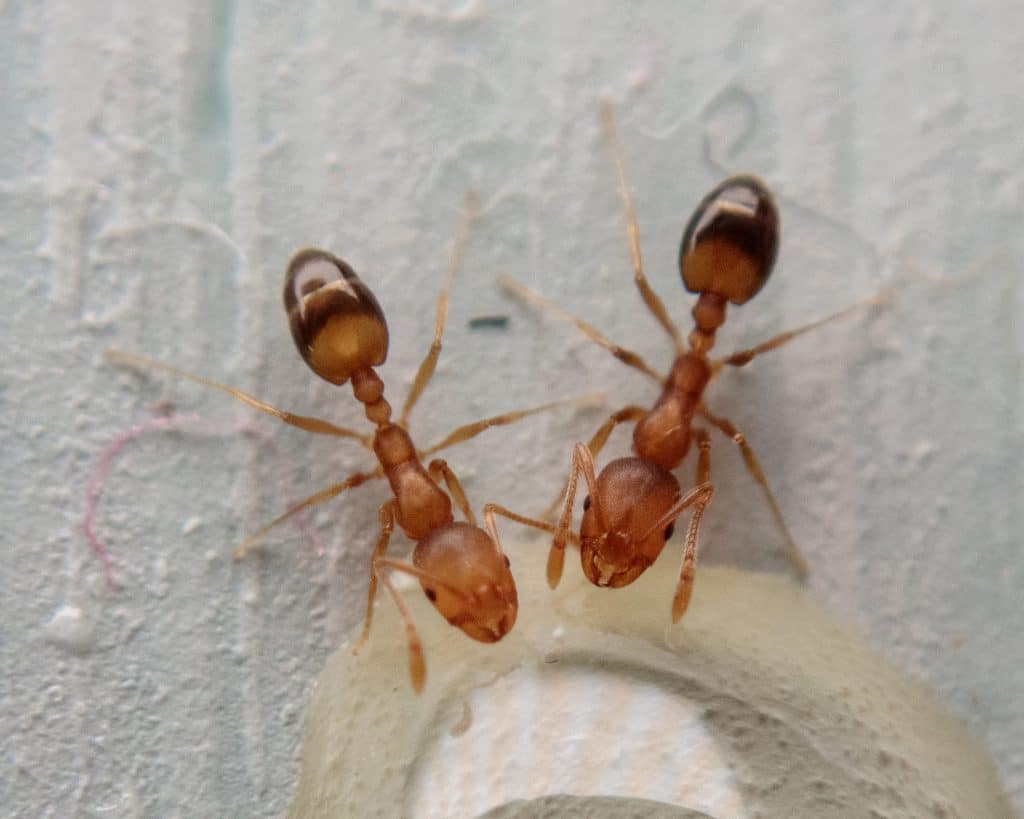
Small reddish-brown insects about 5mm in size. Flat body shape. Move quickly when disturbed.
Musty odor
Due to their pheromones, bed bugs often leave behind a trail of unpleasant odour, which should raise an immediate concern for potential infestation.
Molted skins
Shed outer shells. Translucent or brown colored. Found in cracks and crevices near beds.
Bed bug eggs
Tiny white specks about 1mm in size. Oval shaped. Difficult to see with naked eye.
How to Inspect Your Hotel Room
Step-by-step hotel room inspection
Inspect BEFORE unpacking: Before you check out your hotel room’s minibar or oceanfront view, give it a thorough bed bug inspection – and until you’ve done that, stash your luggage in the loo. This is critical. Don’t put bags on the bed.
Check the mattress: Pull back all linens. Inspect seams, edges, and underside of mattress. Use your phone flashlight to see into dark crevices.
Examine the headboard: Check corners, joints, and behind headboard. Bed bugs hide in these dark areas during the day.
Look under the bed: Check the entire underside. Inspect box spring and bed frame joints.
Inspect furniture: Check upholstered chairs and sofas. Look at seams and underneath cushions.
Check other areas: Inspect curtains, carpet edges, and baseboards near the bed.
Take action: If you find any signs, request a different room immediately. Move to a room far away from the infested one.
How Bed Bugs Enter Homes
Firstly, you may pick up these bugs while you engage in high interaction events or activities with huge human traffic. Secondly, you could bring it back home from lodging, travel and hotel stays with inadequate bed bug prevention. Thirdly, they may be present in used or recycled clothing and furniture that spreads in your home.
Hotel travel
Most common source. Infested hotel rooms. Bed bugs hitchhike in luggage and clothes.
Second-hand furniture
Used beds, sofas, and chairs may harbor bed bugs. Always inspect before bringing into your home.
Visiting infested homes
Bed bugs can travel on your clothes and bags. Careful inspection after visiting is essential.
Public transportation
Buses, trains, and shared vehicles can carry bed bugs. Inspect bags after using public transport.
Used clothing
Thrift store clothes may harbor bed bugs. Wash all second-hand clothing in hot water immediately.
Neighbor transfer
In apartment buildings, bed bugs travel between units through cracks and openings.
Prevention Strategies for Travelers
Keep luggage elevated
Keep luggage off the ground and wrap suitcases in plastic – Do not leave suitcases and bags on the floor – or on a second spare bed. Use luggage racks only.
Luggage inspection at home
Before entering your home, inspect all luggage. Check seams, zippers, and interior pockets for bed bugs or eggs.
Launder immediately
Wash all travel clothing in hot water (above 60°C) immediately. Hot water kills bed bugs and eggs.
Store suitcases safely
Keep travel luggage in sealed plastic bags. Store in garage or outside areas. Don’t keep suitcases under beds or in closets.
Inspect used items
Always inspect second-hand furniture before bringing it home. Check all crevices for bed bugs.
Seal cracks
Seal cracks around baseboards, pipes, and electrical outlets. This reduces entry points for bed bugs and other pests.
Traveler’s Checklist
Before you leave on your trip
Take photos of your home. Helps with insurance claims if infestation occurs.
Pack luggage strategically. Keep clean clothes separate from worn clothes.
Bring a small flashlight for hotel room inspection.
Carry plastic bags for separating potentially infested items.
When you check into hotel
Inspect room completely before unpacking (10-15 minutes).
Keep luggage in bathroom. Use hard-case suitcases if possible.
Don’t place bags on the bed or floor.
Report any signs of bed bugs immediately to hotel.
When you return home
Inspect luggage in garage or outside.
Wash all clothing in hot water immediately.
Vacuum inside luggage thoroughly.
Store suitcases in sealed bags away from bedrooms.
If You Suspect Bed Bugs at Home
What to do immediately
Don’t panic. Bed bug problems are treatable with professional help.
Don’t move infested items to other rooms. This spreads the infestation.
Stop DIY spraying. This drives bed bugs deeper into walls and furniture.
Call a professional pest control company immediately.
Document the infestation with photos for your records.
Isolate infested bedding in sealed plastic bags.
Continue normal activities while awaiting professional treatment.
Frequently Asked Questions
Can you get bed bugs in luxury hotels?
Yes. Bed bug presence isn’t about cleanliness or hotel class. So long as there is a human host, blood meal and body warm, bed bugs are practically present anywhere and anywhere. Luxury and budget hotels both report infestations.
How long does it take to detect bed bugs after exposure?
Bed bugs can hide for weeks before you notice bites or other signs. Some people don’t react to bites. Infestation can be well-established before detection.
Can bed bugs survive in suitcases during travel?
Yes. Bed bugs survive for months without feeding. Sealed suitcases don’t kill them. Heat treatment (above 45°C) is required to kill bed bugs in luggage.
What’s the best way to treat home bed bugs?
While DIY methods, like vacuuming and using over-the-counter insecticides, can help reduce the number of bed bugs, the most effective solution is usually to hire a professional pest control service. Professional heat treatment or chemical treatment works best.
How can I avoid bringing bed bugs home from travel?
Inspect hotel rooms thoroughly before unpacking. Keep luggage elevated and away from beds. Inspect and launder everything immediately upon returning home. This prevents most infestations.
Protect Your Home From Bed Bugs
Bed bug infestations start with one infested hotel room. Prevention is simpler than treatment. Inspect hotel rooms, follow traveler precautions, and contact professionals if you suspect infestation.
Flea vs Tick Identification GreenCare Pest Control Singapore | Pet Parasite Guide & Professional Removal QUICK ANSWER: Fleas are tiny (1-3mm), dark, jump high, multiply rapidly (1,000+ eggs/lifetime). Ticks are larger (2-10mm), round, embed in skin, live longer (2-3 years). Both infest pets but transmit different diseases. Ticks carry Lyme disease (rare Singapore); […]
Your Child’s Allergies Might Be in the Mattress What parents need to know about dust mites in Singapore homes The Invisible Problem in Every Bedroom Your child wakes up sneezing. Morning congestion. Itchy eyes. You’ve been to the doctor, gotten medication, but nothing seems to work long-term. The likely culprit? The thing […]
Ant Species Identification in Singapore Ghost, Pharaoh, Carpenter, Crazy ants. Physical traits, behavior, damage types & treatment differences Wrong ant species = wrong treatment = treatment failure. Correctly identifying the species of ant present in a property is crucial for effective ant pest control. Each ant species has unique behaviors, food preferences, and […]
Get A Free Estimate Or Quote
Get a quick, no-obligation quote from
Greencare. A specialist will contact you as soon
as
possible. Or You May Call Us: