Humidity management, professional treatment, and valuable item protection
Silverfish are silent destroyers of valuables. While they don’t bite or spread disease, they feed on irreplaceable items. Books, family photographs, important documents, and stored clothing are all at genuine risk.Silverfish are attracted to damp areas with 75% – 95% humidity, making them especially problematic in Singapore’s tropical climate. Prevention starts with humidity control combined with professional treatment and proper storage of valuable items.
Tropical climate + poor moisture control = silverfish habitat
Humidity requirements: Silverfish are attracted to damp areas with 75% – 95% humidity. Singapore’s average humidity of 80-85% year-round matches these requirements perfectly.
Temperature ideal: Singapore’s consistent 27-32°C year-round matches silverfish preferred temperature range. No seasonal dormancy like colder climates.
Reproduction acceleration: Professional treatment shows results within 1-2 weeks. Full elimination requires 2-3 follow-up visits over 4-6 weeks due to the egg lifecycle. Warm, humid climate accelerates egg development.
High-risk areas in homes: Bathrooms (steam from showers), kitchens (cooking moisture), basements (ground-level seepage), laundry rooms (washing machine humidity), air-conditioned storage areas (condensation on cold pipes).
Multiple locations: Basements and attics can harbor silverfish colonies. Investing in a good dehumidifier can make a world of difference. No dampness, fewer silverfish.
Year-round threat: Unlike temperate climates, Singapore provides no seasonal break. Silverfish breed 12 months per year without interruption.
What Silverfish Damage: At-Risk Valuables
Irreplaceable items destroyed by silverfish feeding
Books & paper: Silverfish feed on cellulose, which is present in paper and book bindings. Valuable books, important documents are all at genuine risk. Family libraries destroyed through silent feeding.
Photographs & negatives: Family photographs, holiday photos, photo albums ruined by silverfish feeding on paper backing and emulsion. Sentimental damage irreversible.
Fabric damage: Silverfish feed on natural fabrics including cotton, silk, wool, and linen. Stored clothing, vintage fabrics, antique textiles become unwearable.
Wallpaper & decorative items: Silverfish can damage paper goods, clothing, wallpaper, and sometimes even pantry foods. Decorative wallpaper in rooms attacked from behind (inside walls).
Damage pattern: Silverfish leave irregular, unconnected holes spread across fabric. Damage spreads gradually over weeks/months of unchecked infestation.
Humidity Control: Primary Prevention Strategy
Humidity Targets by Area
Living areas: Target below 60% humidity year-round
Storage areas: Target below 50% humidity (critical for valuable protection)
Basements: Target below 50-55%
Bathrooms: Target below 60% (high-risk area)
Singapore average: Current 80-85% — requires aggressive dehumidification
Monitor moisture: Use humidity meters in key areas. Target below 60% year-round, below 50% in storage areas.
Dehumidification Methods
Active dehumidifiers: Use dehumidifiers in high-humidity areas, aiming to keep relative humidity below 50%. Fix leaking pipes and faucets promptly.
Exhaust fans: Install exhaust fans in bathrooms, kitchens, and laundry rooms to remove excess moisture from air.
Air circulation: Ceiling fans and cross-ventilation reduce moisture accumulation.
Leak repair: Fix leaking pipes and faucets promptly to prevent water accumulation. Address condensation issues by insulating cold water pipes.
Ventilation timing: Ensure proper ventilation throughout your home, especially in bathrooms after showers and kitchens during cooking.
Protecting Valuables from Silverfish Damage
Storage & Protection Strategies
Sealed storage containers: Use airtight containers: Store books, documents, photos in sealed plastic containers. Cedar shavings inside act as natural repellent. Plastic bins with tight-fitting lids prevent silverfish entry.
Cedar & essential oils: Clothing protection: Store off-season clothes in sealed bags with cedar or lavender sachets. Natural repellents discourage silverfish even if humidity high.
Elevated storage: Elevate storage: Keep items off floors on shelves or racks. Air circulation reduces moisture. Ground-level storage accumulates moisture from floors.
Desiccant packs: Document safety: Important papers in sealed plastic boxes with desiccant packs. Absorb residual moisture inside sealed containers.
Book care: Book care: Store books upright in sealed containers. Don’t stack flat where moisture accumulates. Flat stacking traps moisture between pages.
Temperature-controlled storage: Climate control: Store valuables in rooms with active dehumidifiers. Aim for humidity below 50%. Separate high-value item storage from living areas.
Professional Silverfish Pest Control Treatment
Multi-step professional approach
Step 1 – Professional inspection: Silverfish are ancient insects that are difficult to notice until they cause damage. Checking regularly for signs of silverfish infestation is important in preventing future problems. Inspector identifies infestation extent and damage.
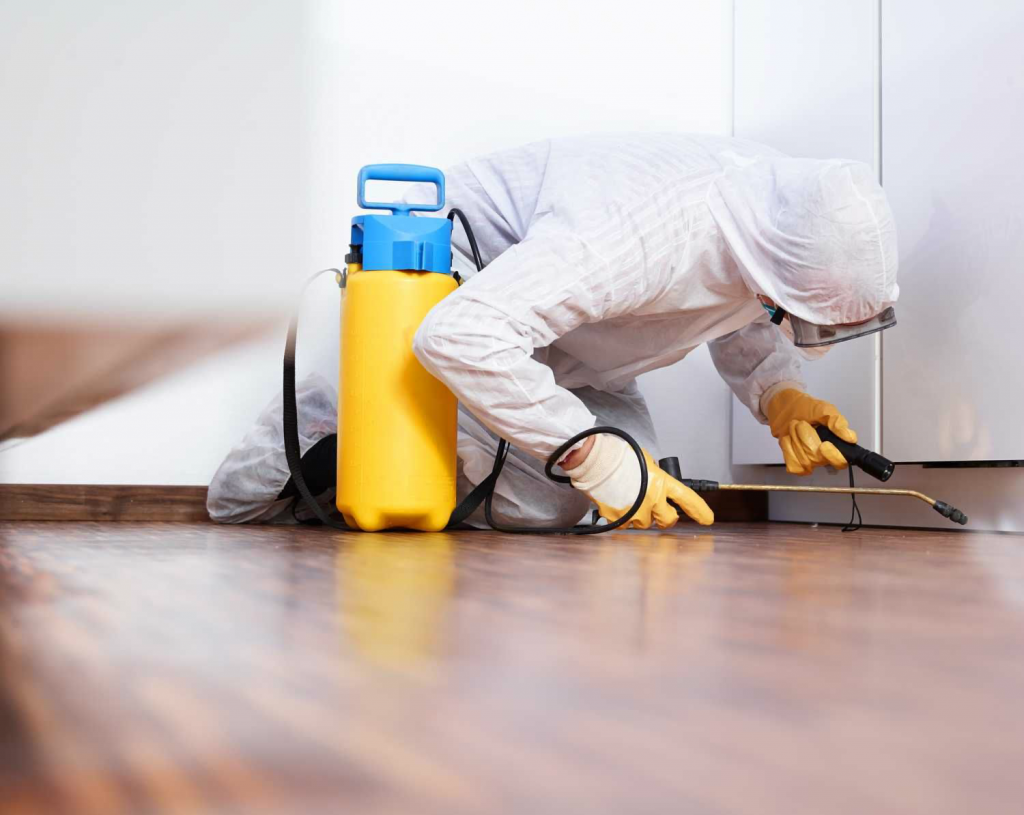
Step 2 – Targeted treatment: Professional silverfish treatment is essential. When infestations are severe, professional treatment using targeted spraying or other methods is necessary to remove all nesting sites.
Step 3 – Results timeline: Professional treatment shows results within 1-2 weeks. Full elimination requires 2-3 follow-up visits over 4-6 weeks due to the egg lifecycle. Multiple visits needed to address all life stages.
Step 4 – Damage assessment: Existing damage won’t reverse, but further damage stops immediately after treatment. Professional documents extent of existing damage for insurance purposes.
Step 5 – Prevention planning: Professional pest management services provide expert advice and treatment. Services also provide useful pest prevention tips and housekeeping recommendations to keep infestation under control.
Step 6 – Monitoring: Follow-up inspections verify treatment effectiveness and catch any returning activity immediately.
Signs of Silverfish Infestation: When to Act
Indicators requiring immediate professional intervention
Visible silverfish: Silverfish can be found almost anywhere in the house, usually in dark and damp places. Even single sighting indicates infestation established nearby.
Damage discovery: Irregular holes in paper, books, photographs, or fabrics indicate active infestation. Damage spreads if untreated.
Notched edges on documents: Pages with ragged, notched edges show silverfish feeding pattern.
Dust or frass: Fine dust or brown droppings in affected storage areas or near baseboards.
Stale smell: In severe infestations, a musty odor develops in affected areas, similar to moisture/mold smell.
Multiple locations: Finding silverfish in different rooms (bedroom, storage, bathroom) indicates establishment, not isolated incident.
Moisture & humidity problems: If home frequently high humidity and you discover silverfish, immediate professional intervention needed to prevent population explosion.
Frequently Asked Questions
Are silverfish dangerous to humans?
Silverfish don’t bite or sting, are not poisonous, and are considered harmless to humans. However, they can damage your belongings and contaminate your food, and in some cases, cause an allergic reaction. Children with asthma may react to silverfish allergens.
Can I prevent silverfish entirely through humidity control alone?
Humidity control is essential but not sufficient alone. By controlling humidity, eliminating food sources, sealing entry points, and employing appropriate removal methods, you can effectively manage and prevent silverfish infestations. Combined approach works best.
How long does professional silverfish treatment take?
Professional treatment shows results within 1-2 weeks. Full elimination requires 2-3 follow-up visits over 4-6 weeks due to the egg lifecycle. Multiple visits needed because eggs hatch at different times.
What’s the best way to store books and documents in humid Singapore?
Store books and documents in sealed plastic containers with cedar shavings. Keep items off floors on elevated shelves. Important papers in sealed boxes with desiccant packs. Climate control with dehumidifiers maintains humidity below 50%.
Do I need professional treatment if humidity is controlled?
If existing silverfish population present, professional treatment necessary. Professional silverfish treatment is essential when infestations are severe. Humidity control alone won’t eliminate established populations — it only prevents new infestations and stops reproduction.
Professional Silverfish Assessment & Humidity Control Plan
Singapore’s 75-95% humidity creates year-round silverfish breeding conditions. Family photos, books, documents, and valuable fabrics damaged silently by hidden silverfish. Professional assessment identifies infestation extent, designs humidity control strategy, protects valuables, and eliminates existing population. Protect irreplaceable items today.
Professional Spider Pest Control Singapore Expert inspection, treatment methods, and comprehensive elimination strategies Spider infestations develop quickly and hide in plain sight. Rapid reproductive cycles allow a single egg sac to hatch hundreds of spiderlings at once, which can turn a minor sighting into a full-scale infestation very quickly. DIY removal only addresses […]
House Centipedes in Singapore Why they’re in your home, venom facts, and professional pest control solutions Fast-moving centipedes crossing your bathroom floor = pest problem indicator. House centipedes are shy. They prefer to run and hide instead of fight. Most centipedes are beneficial because they eat pest insects.If centipedes are in your home, […]
Spider Control in Singapore Common species, venom facts, professional removal & prevention strategies Spiders look intimidating. But most are beneficial. There are over 800 species of spiders found in Singapore, however, most of them live in the jungles and forested areas of Singapore. Only a small fraction of Singapore spiders live in urban […]
Get A Free Estimate Or Quote
Get a quick, no-obligation quote from
Greencare. A specialist will contact you as soon
as
possible. Or You May Call Us: