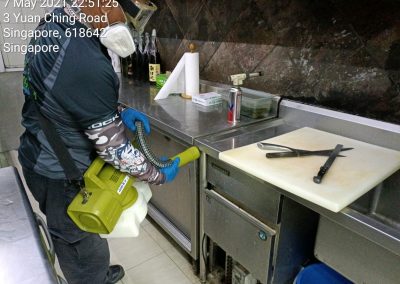


Bed Bugs: A Growing Problem in Singapore
Bed bug infestations in Singapore are increasing. They spread through HDB buildings via contaminated furniture, luggage from travelers, and shared infrastructure.
Unlike cockroaches that live in kitchens, bed bugs hide in bedding and furniture. This makes them harder to detect until infestation is severe.
Understanding identification, health risks, and why professional treatment is essential helps you respond quickly to protect your family.
How to Identify Bed Bugs: What to Look For
Physical Characteristics:
- Size: 4-5mm long (about the size of an apple seed)
- Color: Reddish-brown or dark brown
- Shape: Flat, oval body (looks like a small tick)
- Movement: Slow crawlers (cannot jump)
- Odor: Musty smell when population large
Where to Find Bed Bugs in Your Bedroom:
- Seams and folds of mattresses
- Under mattress (dark side)
- Bed frame cracks and crevices
- Headboard gaps
- Behind wallpaper or artwork
- Furniture cushions and seams
- Under baseboards
- Behind electrical outlets
Signs of Bed Bug Infestation:
- Actual bed bugs visible on mattress or bedding
- Bed bug feces (small black specks) on sheets
- Egg shells or discarded skin (white, papery)
- Blood spots on sheets (from crushed bugs)
- Musty odor in bedroom
Physical Signs on Body:
- Red, itchy bite marks on skin
- Bite patterns in lines or clusters (3-4 bites in row)
- Bites on arms, legs, face, neck
- Bites appear overnight (bed bugs feed at night)
- Intense itching, especially morning after sleep
Bed Bug Lifecycle: Why They’re Hard to Eliminate
Understanding the 5-Stage Lifecycle:
Stage 1: Egg (Lasts 6-12 days)
Female lays 1-5 eggs per day in hidden locations. Eggs are tiny (1mm), white, and sticky. They hide in mattress seams, furniture cracks, and protected areas. This stage is where eggs survive most treatments.
Stage 2: Nymph 1 (Lasts 5-10 days)
First nymph stage. Size: 1-2mm. Requires blood meal to progress to next stage. Hides in same protected areas as eggs.
Stage 3: Nymphs 2-5 (Lasts 7-14 days per stage)
Multiple nymph stages with increasing size. Each stage requires blood meal. Multiple molts occur. Total nymph period: 35-70 days depending on temperature and food availability.
Stage 4: Adult (Lasts 4-6 months, up to 1 year)
Fully mature bed bug. Feeds every 3-7 days. Female produces 1-5 eggs daily. One adult female can create infestation of thousands in few months.
Total Lifecycle: 30-45 days (egg to adult)
Health Risks from Bed Bug Bites
Allergic Reactions:
Bed bug saliva causes allergic responses in many people. Itching can be severe. Scratching leads to secondary skin infections. Sleep disruption from itching affects health and immunity.
Psychological Impact:
Bed bug infestations create anxiety and stress. Knowledge that bugs are in bedroom affects sleep quality. Some people develop anxiety about sleeping, which impacts health.
Infection Risk:
Intense scratching breaks skin. Open wounds can become infected with bacteria. Secondary infections require medical treatment.
Systemic Reactions (Rare):
Severe allergic reactions to bites are uncommon but possible. Signs include: anaphylaxis, swelling, difficulty breathing. Seek medical attention if severe reaction occurs.
Why DIY Treatment Fails Against Bed Bugs
The DIY Problem:
Store-Bought Spray Limitations:
- Kills visible bed bugs only
- Cannot penetrate mattress seams (where eggs/nymphs hide)
- Cannot reach inside furniture or wall voids
- Residual effect is limited (3-7 days)
- Eggs in protective stage survive chemical spray
- No follow-up verification (you don’t know if treatment worked)
Timeline: Why DIY Fails
Day 1: You buy spray and treat mattress and visible bed bugs
Days 2-6: Visible bugs killed. No visible bed bugs. You think problem solved.
Days 7-12: Eggs hatch (spray didn’t penetrate to reach eggs)
Days 13-30: Nymphs grow and mature
Day 31: New adult generation emerges and reproduces
Day 35+: Infestation returns or worsens
Result:
DIY spray creates false sense of success for 1-2 weeks. Infestation returns because treatment never addressed hidden eggs and nymphs.
• Heat treatment kills all stages instantly (eggs, nymphs, adults)
• Reaches inside mattresses and furniture
• No survivors means no regrowth
• Single treatment eliminates infestation
• No chemical residue
• Guaranteed results with follow-up
Professional Bed Bug Treatment: Heat vs Chemical
| Method | Timeline | Effectiveness | Preparation | Follow-Up |
|---|---|---|---|---|
| Store-bought spray | Weeks (keeps returning) | 20-30% | Simple (just spray) | Repeated applications (doesn’t work) |
| Professional chemical | 7-14 days (verified) | 80-90% | Remove pets/plants temporarily | Day 7-14 inspection |
| Professional heat treatment | 1 day (complete elimination) | 99%+ | Vacate for 6-8 hours | Optional follow-up |
Heat Treatment Details:
Temperature raised to 50°C+ for 6-8 hours. All bed bug stages die instantly at this temperature. One-time treatment eliminates entire infestation. No chemical residue. Safe for family and pets after treatment ends.
Chemical Treatment Details:
Professional-grade chemicals injected into mattresses and furniture. Growth regulators prevent nymph development. More affordable than heat but requires 7-14 day follow-up. May need second treatment if population large.
How Bed Bugs Spread in Singapore HDB
Common Entry Routes:
- Used furniture from infested sources
- Luggage from travel (hotels, hostels)
- Contaminated bedding or clothing
- Visitors bringing infested items into home
- Movement through shared building infrastructure (rarer than furniture)
Why Second-Hand Furniture Is High Risk:
Bed bugs hide in furniture seams. One piece of infested furniture can introduce hundreds of bed bugs into your home. Checking used furniture before bringing it inside is essential.
Hotel/Travel Risk:
Bed bugs hide in hotel mattresses regardless of cleanliness. Inspect hotel mattresses before sleeping. Use luggage stands away from beds. Inspect suitcase before bringing home.
When to Call Professional Help
Call Professional Immediately If:
- Bed bugs confirmed (actual bug seen, not just bites)
- Bites appear in clusters on body
- Bites appear on multiple family members
- Bites appear on body after nights in bed
- DIY treatment failed (bed bugs return after spray)
- Bed bugs visible on mattress or furniture
- You prefer guaranteed results to trial-and-error
Professional Service Timeline:
Day 1 (Same Day): Assessment and treatment planning. Heat or chemical treatment scheduled.
Day 1-2 (Next 1-2 Days): Professional treatment applied to bedroom and surrounding areas.
Day 7: Follow-up inspection. Verification that elimination successful.
Day 14: Final check (optional). Confirmation of complete elimination.
Guarantee: Professional treatment includes guarantee. If bed bugs return within 30 days, re-treatment provided at no cost. This commitment shows confidence in results.
Preventing Bed Bug Reinfestation
After Professional Treatment:
Week 1: Monitor Carefully
Sleep in treated bedroom. Monitor for any bed bug activity. Place traps under bed legs to catch any survivors or newcomers. Check sheets daily for signs.
Week 2-4: Inspect Regularly
Weekly inspection of mattress and bedding. Look for any signs of bed bug activity. If any appear, contact professional immediately for follow-up treatment (usually free within 30 days).
Ongoing Prevention (Months 2+):
- Inspect used furniture before bringing into home
- Check hotel mattresses before sleeping
- Inspect luggage when returning from travel
- Wash travel clothes immediately in hot water
- Keep mattress covers sealed (prevents re-entry)
- Minimize clutter around bed (bed bugs hide in items stored under bed)
Quick Decision Guide
If Bed Bugs Found Today:
- Confirm infestation (see actual bugs or multiple bites)
- Do NOT discard mattress yet (may spread infestation)
- Call professional for same-day or next-day assessment
- Describe severity (how many bites? where seen? how long?)
- Ask about heat vs chemical treatment options
- Confirm guarantee and follow-up inspection included
- Book treatment immediately
- After treatment, maintain prevention habits
Bed Bugs Found? Professional Help Available.
Heat treatment eliminates all stages in one day. Same-day service available across Singapore.
+65 6970 0205
Call for immediate consultation. Available 24/7 including weekends. Guaranteed elimination with follow-up verification.