Common Household Pests in Singapore: A Complete Area-by-Area Guide
Singapore’s tropical climate creates the perfect environment for household pests. Learn about the most common pests in different areas and how to protect your home.
Cockroaches: Singapore’s Most Common Pest
Cockroaches are undoubtedly the most prevalent household pest in Singapore. The city-state’s warm, humid climate provides ideal breeding conditions, with three main species dominating residential areas: the American cockroach, German cockroach, and Gold Banded cockroach.
Why Cockroaches Thrive in Singapore
These resilient insects prefer warm, dark, and humid environments—exactly what Singapore offers year-round. Cockroaches typically hide in drains, sewers, garbage bins, under sinks, and along pipes. Unlike countries with a rubbish segregation system, Singapore’s rubbish chutes are a perfect breeding ground for cockroaches due to the mixture of foods and other decomposition in our trash. They are most often spotted at night as they emerge to seek for food and water.
American Cockroach
Reddish-brown, 1.5-2 inches long. Prefer moist areas like basements and drains. Can fly short distances.
German Cockroach
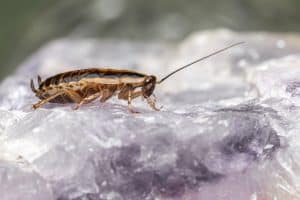
Light brown to tan, smaller (0.5-0.6 inches). Reproduce rapidly. Often found in kitchens and bathrooms.
Gold Banded Cockroach
Dark brown with golden bands. Larger species. Can be found both indoors and outdoors in tropical regions.
Termites and Wood-Damaging Insects
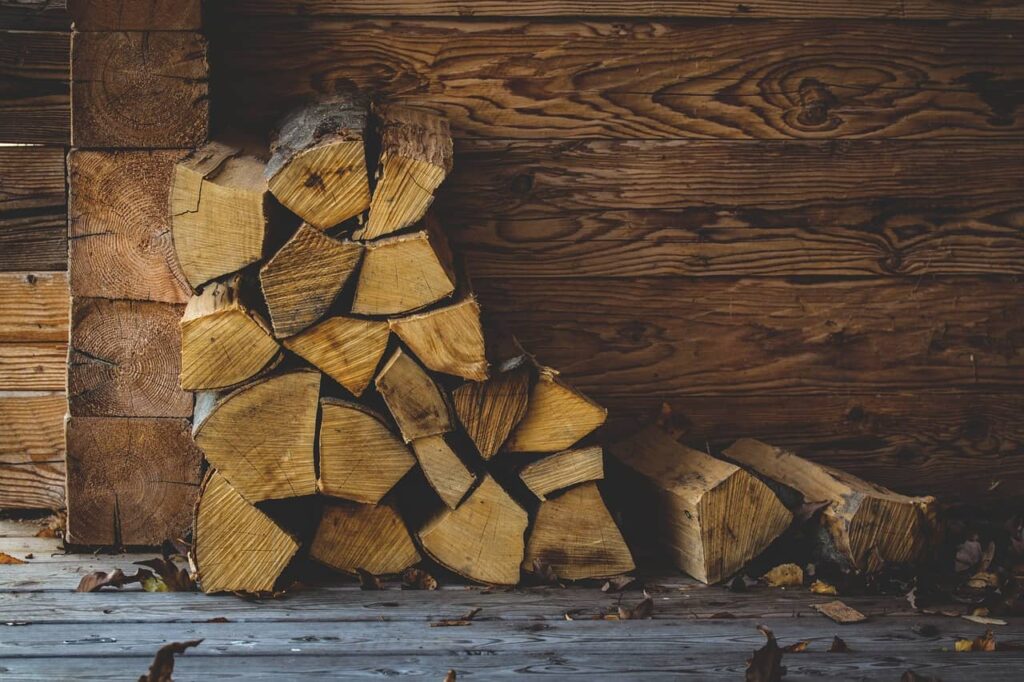
Termites pose a serious threat to Singapore homes, with nearly one in ten households experiencing infestations. These wood-eating insects can cause structural damage worth thousands of dollars if left untreated. Singapore has three primary termite types:
Types of Termites Found in Singapore
Termite Type
Habitat
Risk Level
Drywood Termites
Wood with low moisture content
High
Subterranean Termites
Underground, travel through mud tubes
Very High
Dampwood Termites
Damp and rotting wood, gardens
Medium
Subterranean termites are particularly destructive, as they create colonies underground and build mud tubes to access structural wood. Early detection is crucial for preventing extensive property damage.
Mosquitoes and Disease-Carrying Pests
Singapore’s heat and humidity make mosquitoes a year-round concern. The Aedes mosquito is particularly dangerous, as it transmits dengue fever, Zika virus, and chikungunya—diseases that have periodically affected Singapore’s population.
Why Mosquitoes Are a Health Priority
Unlike many other pests, mosquitoes pose direct health risks to residents. The Aedes mosquito breeds in stagnant water and is most active during early morning and evening hours. Even small amounts of standing water—in plant pots, buckets, or clogged drains—can become breeding grounds.
Mosquito Prevention Essentials
Eliminate standing water in plant saucers and containers
Keep gutters clean and ensure proper drainage
Install window screens and door seals
Use mosquito repellent and netting when necessary
Report stagnant water in common areas to management
Ants and Flying Insects
Singapore has numerous ant species, but the Pharaoh ant is particularly troublesome for homeowners. These tiny, reddish-brown ants are experts at colonizing indoor spaces, building hidden nests in wall voids, electrical sockets, and under tiles.
Flying Ants in High-Rise Buildings
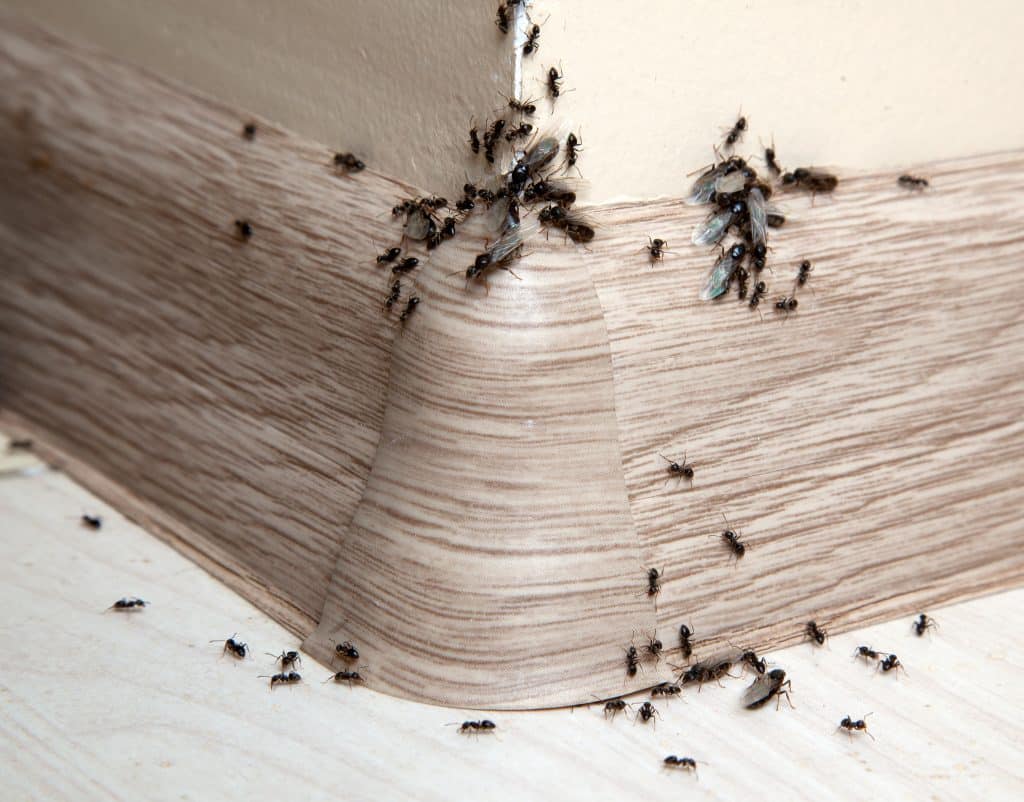
Flying ants are unusually common in Singapore’s high-rise HDB flats and condominiums, particularly in buildings near lakes, ponds, and golf courses. These winged reproductive ants can suddenly appear in large swarms, though they typically don’t cause structural damage.
House Flies and Fruit Flies
House flies and fruit flies are attracted to decaying organic matter, garbage, food, and ripe or rotting fruit. They breed rapidly and can contaminate food surfaces with bacteria. Fruit flies, in particular, are difficult to eliminate once established in kitchens.
Pests by Area and Region in Singapore
High-Rise Flats and Condominiums
Most Common: Cockroaches, flying ants, mosquitoes, bed bugs
Vertical living creates unique pest challenges. Cockroaches spread between units through shared pipes and vents. Flying ants congregate near higher floors during swarming season. Mosquitoes can easily enter through windows, and bed bugs spread via shared entry points.
Landed Properties (Houses and Terraces)
Most Common: Termites, cockroaches, ants, rodents
Ground-level access exposes landed properties to higher termite risk, especially if there’s damp soil nearby. Rodents can easily access these homes through gaps and cracks. Outdoor vegetation attracts more diverse ant species.
Tropical and Garden-Heavy Areas
Most Common: Garden termites, various ant species, flies, mosquitoes
Areas with lush landscaping and water features see more dampwood termites, garden ants, and mosquitoes. Stagnant ornamental water and plant debris create ideal breeding conditions.
Hawker Centers and Food-Heavy Zones
Most Common: Cockroaches, house flies, fruit flies, rodents
Surrounding residential areas experience higher pest pressure due to nearby food sources and waste accumulation.
Prevention and Control Tips
General Prevention Strategies for All Homes
Maintain cleanliness and eliminate food debris regularly
Fix water leaks and reduce moisture (use dehumidifiers if needed)
Seal cracks, gaps, and entry points around pipes and cables
Keep food in sealed containers and dispose of garbage promptly
Declutter storage areas where pests can hide
Inspect secondhand furniture and packages before bringing them inside
Schedule regular professional pest inspections
Pest-Specific Control Measures
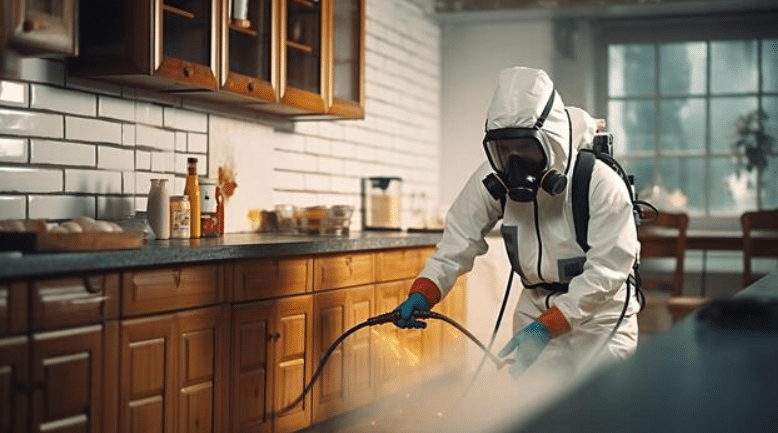
For Cockroaches: Use gel baits and insecticide sprays in dark, moist areas. Maintain regular cleaning schedules to remove food sources. Consider professional pest control services for persistent infestations.
For Termites: Have your home inspected annually by licensed pest control professionals. Install termite barriers around the foundation of landed properties. Monitor wooden structures for signs of termite activity.
For Mosquitoes: Use mosquito repellent sprays and screens. Eliminate all standing water sources. Report dengue cases to authorities immediately. Consider professional fogging services during peak mosquito seasons.
For Ants: Use ant baits and borax solutions. Trace ant trails to identify entry points and seal them. Maintain cleanliness to remove food sources that attract ants.
Pests After Haze in Singapore Why bugs show up indoors during and after haze, and what to check at home Bugs Appearing After Haze: What Is Really Happening Haze does not breed pests. Smoke and particulate matter do not create cockroaches, ants or silverfish, and there is no evidence that haze causes an outbreak […]
Termite Mud Tubes Singapore | Professional Control Termite Mud Tubes in Singapore What these thin brown tunnels reveal, and why breaking them does not solve the problem Mud Tubes: The Termite Highway You Can See Subterranean termites cannot survive long in open air. They dry out quickly, so they build protected tunnels out of soil, […]
Termite Swarmers in Singapore What flying termites mean for your property, and how to act before the damage spreads Flying Termites: The First Visible Sign of a Hidden Colony In Singapore, the first sign many homeowners notice is not damage but a cloud of winged insects near a window, light fitting or door […]
Get A Free Estimate Or Quote
Get a quick, no-obligation quote from
Greencare. A specialist will contact you as soon
as
possible. Or You May Call Us: