Bed Bugs in Singapore: Complete Treatment & Prevention Guide
Bed Bugs in Singapore: Complete Treatment & Prevention Guide
Detection, Removal Costs, and Professional Solutions for HDB & Condos
The Bed Bug Crisis in Singapore Homes
Bed bugs are increasingly common in Singapore’s warm, high-density homes, causing sleepless nights, itchy bites, and constant worry. A single female can lay hundreds of eggs, so a small problem can escalate fast. Early detection is critical—understanding what to look for and when to call professionals can save you thousands in replacement costs and multiple re-treatments.
Key facts: Bed bug cases in Singapore are rising, treatment costs range from SGD $360–$1,500+ depending on severity and flat size, and professional removal is far more effective than DIY methods.
🔍 How to Detect Bed Bugs: Signs & Symptoms
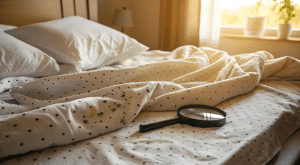
Bed bugs are masters of hiding. They live in small crevices between mattresses, box springs, bed frames, and furniture—making them hard to spot. Early detection saves money and prevents rapid spread to neighboring units.
Visual Signs to Look For
🩸 Fecal Spots & Stains
What to look for: Small dark brown or black dots (like black pepper) on mattress seams, bed sheets, pillowcases
Location: Seams, piping, and tags on mattresses; bed frame joints
🔲 Shed Skins (Exoskeletons)
What to look for: Translucent, empty shells that look like tiny bug casings
What to look for: Tiny white eggs (1-2mm), small brown nymphs (immature bugs)
Location: Hidden in seams, under furniture, behind headboards
🦗 Live Bed Bugs
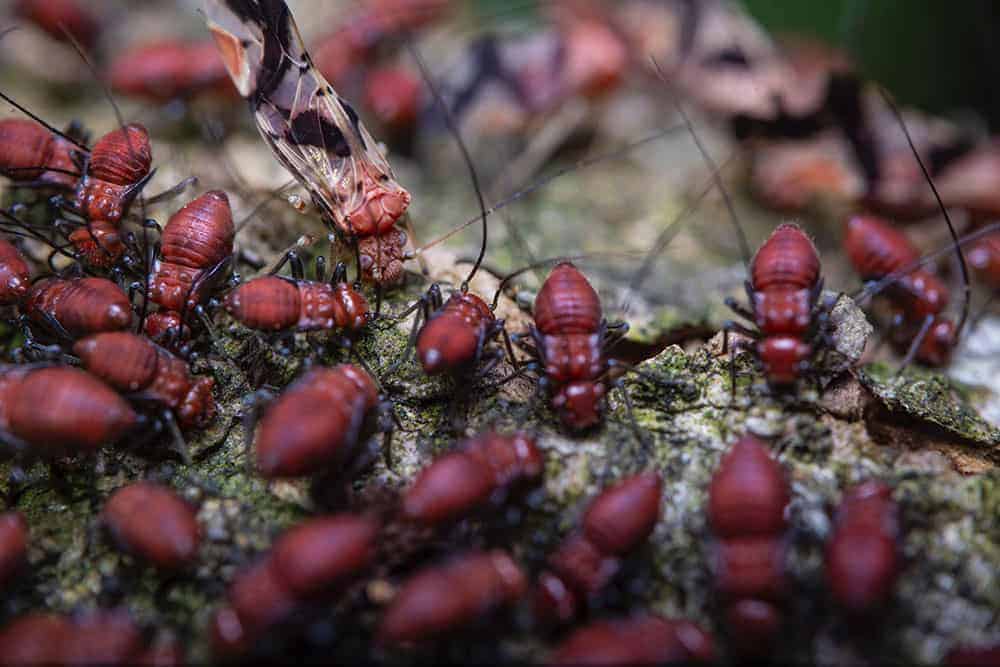
What to look for: Brown, oval-shaped insects, about the size of an apple seed (3-5mm)
Most active: Nighttime, especially 1-5 AM when you’re sleeping
😴 Bite Patterns on Skin
Pattern: “Breakfast, lunch, and dinner” – 3-4 bites in a line or cluster
Appearance: Red, itchy welts, often on arms, neck, legs (exposed skin while sleeping)
👃 Musty Odor
What to smell: Sweet, musty odor in bedroom or from infested furniture
Indicates: Heavy infestation or presence of dead bed bugs
Inspection Checklist
Inspect these areas thoroughly:
Mattress & box spring: All seams, piping, and underside
Bed frame: Wood joints, cracks, screw holes
Headboard: Back side, seams, corners
Bedside furniture: Nightstands, under drawers
Sofas & chairs: All seams, piping, underside
Wall baseboards: Especially near bed areas
Luggage & bags: After travel (common entry point)
Closets & wardrobes: Shelves, corners
⚠️ When to Call a Professional
If you notice multiple signs (bites + stains + sightings), don’t delay. Professional inspections are free or cost SGD $50-100, but early treatment prevents the problem from spreading to other rooms and neighboring units (critical in HDB buildings).
Bed Bug Bites & Health Effects
What Bed Bug Bites Look Like
Aspect
Bed Bug Bites
Other Causes
Pattern
“Breakfast, lunch, dinner” – 3-4 bites in line/cluster
Random or scattered
Appearance
Red welts, sometimes with a darker center
Varies widely
Location
Exposed skin: arms, legs, neck, face while sleeping
Can be anywhere
Itching
Intense itching, may worsen over days
Variable
Timing
Noticed on waking; bites occurred at night (1-5 AM)
Can occur anytime
Health & Psychological Effects
Skin reactions: Allergic reactions, secondary infections from scratching
Sleep deprivation: Anxiety and fear prevent restful sleep
Stress & anxiety: Constant worry about infestation spreading
Emotional toll: Embarrassment, shame, feeling unclean (despite bed bugs being a cleanliness-independent problem)
Social impact: Reluctance to invite guests, affecting relationships
ℹ️ Important: Bed Bugs ≠ Poor Hygiene
Bed bugs are NOT attracted to dirt. They are attracted to carbon dioxide we exhale and warmth. They infest clean homes as readily as dirty ones. You are not to blame for a bed bug infestation—it can happen to anyone.
Professional Bed Bug Treatment Methods
Residual Spraying (Most Common)
Method: NEA-approved insecticide applied to walls, ceilings, bed frames, mattresses, furniture, baseboards, and areas where bed bugs travel.
Non-toxic to mammals; safe for humans and pets (non-staining)
Lasts up to 2 months on treated surfaces
Technician targets all harbourage areas
Multiple visits required (7-14 days apart) to catch new hatchlings
Heat Treatment (Premium Option)
Method: Specialized equipment raises room temperature to lethal levels (kill all life stages from eggs to adults).
Advantages: Kills all stages in one visit, non-chemical, faster resolution
Disadvantages: More expensive (SGD $800-1,500+), requires vacating for 4-8 hours
Best for: Severe infestations, time-sensitive situations
Steam Cleaning (Supplementary)
Used alongside chemical treatment to target mattresses, furniture, and soft furnishings.
Integrated Pest Management (IPM) Approach
Professional pest control companies now combine:
Thorough inspections to identify all infested areas
Chemical treatment of hideouts
Monitoring devices (pitfall traps, visual inspection) between visits
Adult bed bugs live 4-6 months without feeding. They can survive up to 12 months if they feed occasionally. This is why follow-up treatments are critical—you must catch all life stages, including eggs that hatch after initial treatment.
Do bed bugs only infest bedrooms?
No. While they prefer bedrooms, bed bugs can infest sofas, chairs, and any area where people rest. In shared buildings, they can travel through walls, pipes, and electrical ducts to neighboring units.
Can I treat bed bugs myself?
DIY sprays provide temporary relief only. Bed bugs hide in inaccessible places, and treatments rarely reach eggs. Most DIY attempts fail, requiring expensive professional treatment later. Professional treatment has a 95%+ success rate on the first visit; DIY has <5% success.
Will my furniture need to be thrown away?
Not necessarily. If caught early (single room), furniture can be treated professionally. Only severely infested mattresses or furniture may need replacement. Always try professional treatment first—it’s cheaper than replacement.
How fast can bed bugs spread?
A single female can lay 200-300 eggs in her lifetime. In ideal conditions, a small infestation can spread to the entire flat in 4-6 weeks. This is why early detection and professional treatment are critical.
Is treatment safe for children and pets?
Yes. All NEA-approved bed bug insecticides are non-toxic to mammals at application doses. Technicians use child-safe and pet-safe products, and treatments are applied to specific areas (not throughout the home).
Do bed bugs carry diseases?
Bed bugs do NOT transmit diseases like mosquitoes or cockroaches. However, scratching bites can lead to secondary bacterial infections. The main damage is psychological (sleep loss, anxiety) and financial (treatment costs).
🦟 Mosquitoes Singapore March 2026: Dengue Season Peak & Wolbachia Control Rainy Weather Increasing Breeding, Wolbachia Reduces Cases 70%, Prevention B-L-O-C-K Singapore’s Perfect Storm for Mosquitoes: March 2026 Weather Report Current Conditions: Singapore is experiencing partly cloudy skies with temperatures hovering around 31°C (88°F) and high humidity levels. The critical factor: rain […]
🪵 Termites (White Ants) in Singapore: Complete Control Guide Detection, Prevention, Treatment Costs & Protection for HDB, Condos & Landed Homes The Silent Destroyers: Why Termites Are Singapore’s Costliest Pest Termites—commonly called “white ants” in Singapore—are one of Asia’s most destructive pests. A single colony of 60,000 termites can consume a 2×4 […]
Fruit Flies in Singapore Explosive breeding, fermentation sites, and professional elimination Fruit Flies: A Kitchen Explosion Fruit fly infestations in Singapore explode rapidly. These tiny insects breed in 4-6 days, meaning populations double within a week. Unlike house flies (larger, slower breeding), fruit flies are almost invisible and breed in fermented fruits, drains, and […]
Get A Free Estimate Or Quote
Get a quick, no-obligation quote from
Greencare. A specialist will contact you as soon
as
possible. Or You May Call Us: