The Silent Destroyers: Why Termites Are Singapore’s Costliest Pest
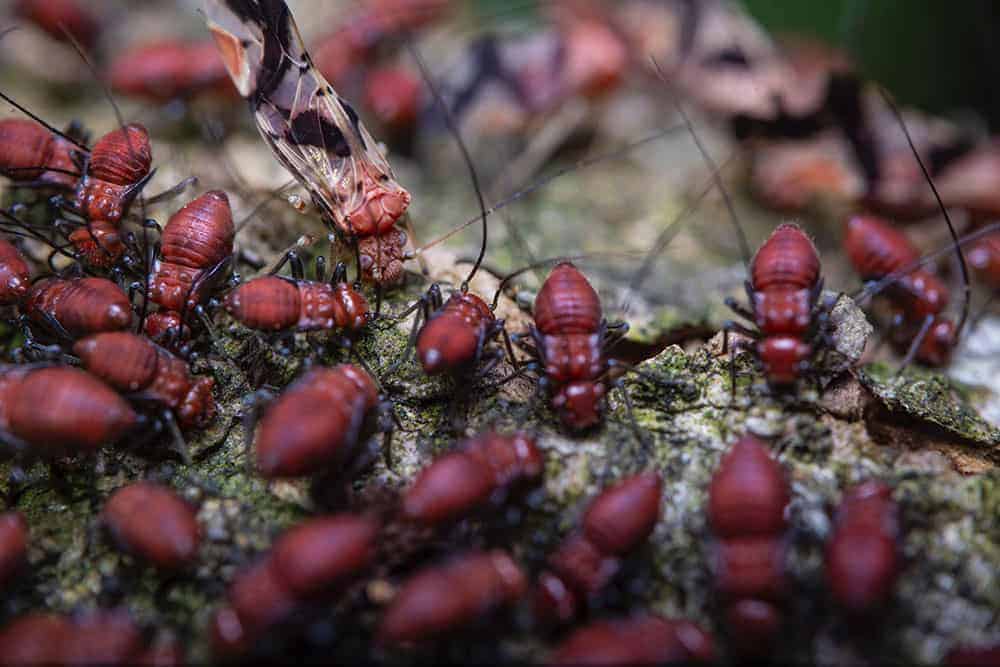
Termites—commonly called “white ants” in Singapore—are one of Asia’s most destructive pests. A single colony of 60,000 termites can consume a 2×4 wood beam in just five months. With new colonies easily reaching 100,000+ workers, an infestation can grow to 2 million termites within 1-2 years, causing thousands of dollars in structural damage.
Singapore-specific risk: 1.2 million HDB units, 210,000 condominiums, and over 72,000 landed homes are at risk. While Singapore’s concrete and steel structures are termite-resistant, wooden furniture, built-in cabinets, door frames, and wooden fixtures inside homes remain vulnerable.
Key fact: Treatment costs range from SGD $500–$2,500+ depending on property type and infestation severity. Damage repairs can cost SGD $2,000–$5,000+ per household.
🔍 How to Detect Termites: Signs in Singapore Homes
Termites work silently inside walls, furniture, and foundations. Early detection is critical—most homeowners only discover infestations after significant damage has occurred. Here are the telltale signs specific to Singapore properties:
Visual Signs of Active Termites
🛣️ Mud Tubes
What to look for: Narrow, dirt-colored tubes on walls, foundations, or wooden structures
Why they build them: Termites need moisture and darkness; tubes protect them from exposure
Common locations: Walls near kitchen/bathrooms, along baseboards, under sinks
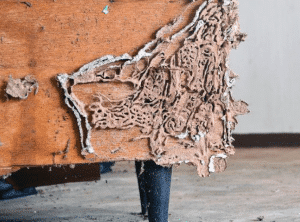
🪵 Hollow-Sounding Wood
What to look for: Tap wooden door frames, cabinets, or furniture—they sound empty inside
Why it happens: Termites eat wood from inside out, leaving thin outer shell
Common targets: Door frames, built-in wooden cabinets, bed frames, wooden flooring
📄 Blistered/Bubbling Paint
What to look for: Paint peeling or bubbling on wood surfaces
Why it happens: Termites leave moisture inside, causing paint to blister
Check areas: Wooden door frames, skirting boards, built-in cabinets
🪶 Discarded Wings
What to look for: Tiny white/transparent wings on windowsills or floors
When this happens: During swarming season (typically post-monsoon, March-May)
What it means: Breeding termites = mature colony nearby
💩 Termite Droppings
What to look for: Tiny, pellet-like droppings (look like sawdust)
Color: Brown/black depending on termite species
Location: Below infested wood, on window sills, in stored items
🌳 Active Swarming
What to look for: Large numbers of winged termites inside home (evening/night)
Timing: Usually after rain, warm evenings (March-May in Singapore)
Indicates: Mature colony has been developing for years undetected
Inspection Checklist for Singapore Homes
Check these areas MONTHLY, especially in older HDB/terraced properties:
- Door frames & window sills: Entry points and vulnerable wood
- Wooden cabinets & built-ins: Kitchen cabinets (near sinks), wardrobes
- Bathroom areas: Water leaks attract termites; check wooden fixtures
- Skirting boards & baseboards: Mud tubes commonly found here
- Under furniture: Wooden bed frames, sofas, wooden tables
- Wooden flooring: Especially older HDB units with wooden parquet
- Roof/attic areas: Check wooden beams if accessible
- Cracks in walls/foundation: Entry points for subterranean termites
⚠️ Why HDB Residents Must Act Fast
In shared HDB buildings, termite infestations spread through walls to neighboring units. If you notice signs, report immediately to your Town Council—a block-wide treatment prevents re-infestation and protects your neighbors. Individual unit treatment only (SGD $500-1,000) without block coordination often fails.
🐜 Termite Species in Singapore
Three Types Commonly Found in Singapore Homes:
- Subterranean Termites: Most destructive; live in soil and mud; build mud tubes to reach wood. Require moisture and darkness. Common in HDB/older homes with leaks.
- Drywood Termites: Live inside wood; don’t need soil contact. Attack wooden furniture, door frames, built-in cabinets. Less dependent on moisture but still attracted to it.
- Dampwood Termites (Garden Termites): Prefer wet, rotting wood. Common in garden areas, fences, outdoor wooden structures. Less common inside homes but still a risk.
ℹ️ Singapore’s Climate = Perfect Termite Conditions
Average temperatures of 27-32°C and humidity >80% are IDEAL for termite breeding and activity. Unlike temperate climates where termites slow down in winter, Singapore termites are active year-round. This is why Singapore has ONE of the highest termite infestation rates in Asia.
💰 Termite Treatment Costs in Singapore 2025-2026
Termite treatment is the most expensive pest control service in Singapore because it requires specialized equipment, multiple visits, and long-term monitoring. Costs vary based on property type, infestation severity, and treatment method.
Cost Breakdown by Property Type
| Property Type |
Cost Range |
Treatment Type |
Duration |
| HDB 2-3 Room Flat |
SGD $450–$800 |
Spot treatment or baiting |
1-2 visits |
| HDB 4-5 Room Flat |
SGD $600–$1,200 |
Full perimeter barrier + baiting |
2-3 visits |
| HDB Executive Flat |
SGD $800–$1,500 |
Comprehensive barrier system |
3-4 visits |
| Condominium (1-2 bed) |
SGD $800–$1,500 |
Perimeter barrier + bait stations |
2-3 visits |
| Inter-Terrace / Semi-D |
SGD $1,500–$2,500+ |
Full chemical barrier (ground drilling) |
3-4+ visits |
| Bungalow / Large Landed |
SGD $2,000–$3,500+ |
Extensive barrier + gardens |
4-6+ visits |
| Initial Inspection (Diagnostic) |
SGD $60–$200 |
Assessment only (may be waived) |
1 visit |
What Affects Your Quote?
- Property size: Larger = more drilling, more chemicals, more technician hours
- Termite species: Subterranean termites require soil barriers (expensive); drywood termites = localized treatment (cheaper)
- Infestation severity: Light (1-2 spots) vs widespread (multiple rooms/structures)
- Treatment method: Spot treatment (cheap) vs full barrier + baiting system (expensive)
- Access difficulty: Easy ground access = lower cost; restricted access (condo foundations) = higher cost
- Warranty period: 1-year warranty = ongoing monitoring included (more expensive)
- Geographic factors: Older HDB areas (Tiong Bahru, Ang Mo Kio) often quote higher due to older plumbing/moisture
Hidden Costs Beyond Treatment
- Furniture replacement: SGD $500-$3,000+ (if severely infested)
- Structural repairs: SGD $2,000-$5,000+ (door frames, wooden flooring, built-ins)
- Water damage repairs: If termites exposed moisture issues
- Hotel stays: Temporary relocation during treatment (SGD $100-150/night)
- Preventive treatments: Annual inspections + bait station refills (SGD $200-500/year)
✓ Cost-Benefit Reality Check
Treatment now (SGD $800-1,500) vs Damage later:
- Ignoring signs = SGD $2,000-5,000 structural repairs
- Delayed treatment = spread to neighboring units = block-wide costs
- Uncontrolled infestation = HDB unit becomes unlivable/unsellable
- Early professional treatment = 95%+ success rate on first visit
🔬 Termite Treatment Methods in Singapore
1. Chemical Barrier Treatment (Most Common)
How it works: Termiticide liquid is injected into soil around building perimeter or applied directly to infested areas.
- Creates protective barrier preventing termite entry
- Drilling around foundation for subterranean termite colonies
- Cost: SGD $500-$2,000+ depending on property size
- Duration: Long-lasting (5+ years with proper maintenance)
- Best for: Landed properties, older HDB with moisture problems
2. Termite Baiting Systems (Eco-Friendly)
How it works: Bait stations placed strategically around property. Termites feed on slow-acting poison and carry it back to colony, eliminating entire nest.
- Targets the colony source directly
- Eco-friendly, minimal chemical exposure
- Cost: SGD $800-$1,500+ (includes monitoring)
- Timing: Takes 3-6 months to work completely
- Best for: Condos, residential areas, long-term prevention
3. Spot Treatment (Quick Fix)
How it works: Termiticide sprayed directly on infested wood/areas.
- Fastest immediate knockdown
- Cost: SGD $180-$350 per area
- Limitation: May miss hidden colonies
- Often combined with: Baiting for complete solution
- Best for: Isolated infestations in single room
4. Monitoring Systems (Prevention)
How it works: Discreet monitoring stations placed around property. Pest control technician regularly inspects for termite activity and adds bait when needed.
- Catches infestations early before damage
- Cost: SGD $50-100/station + quarterly monitoring (SGD $100-200/visit)
- Best for: Prevention-focused homeowners
ℹ️ Why One Visit Usually Isn’t Enough
Termite eggs hatch over 2-3 weeks. A single treatment eliminates visible termites but not eggs. Professional protocols include follow-up visits 2-4 weeks later to catch hatchlings. This is why reputable companies charge for multiple visits, not one-time treatments.
🛡️ Termite Prevention for Singapore Homes
Immediate Actions (DIY Prevention)
- Remove moisture sources: Fix leaking pipes immediately (termites are moisture-dependent). Ensure good ventilation in bathrooms/kitchens.
- Remove wood-to-soil contact: Don’t let wooden structures touch soil directly. Maintain gap between foundation and landscaping.
- Clear wood debris: Remove dead trees, rotting logs, firewood piles near house
- Seal cracks & gaps: Caulk small cracks in walls, doors, windows, utility penetrations
- Store firewood properly: Off ground, covered, away from house (at least 20 meters)
- Keep distance from mulch: Maintain 60cm gap between wooden structures and garden mulch/soil
Professional Prevention (Recommended)
- Annual termite inspection: SGD $60-200. Professional can spot early signs you’d miss.
- Preventive baiting system: SGD $800-1,500 upfront + SGD $200-500/year monitoring
- Pre-treatment before renovations: If replacing wooden structures, treat wood preventively first
- Post-construction barrier: If doing major repairs, request termite barrier installation
HDB-Specific Prevention
- Block coordination: Organize neighbors for block-wide treatment (more cost-effective than individual units)
- Town Council liaison: Report moisture issues, water leaks to Town Council—these attract termites
- Monitor shared spaces: Void decks, communal gardens are termite highways. Report sightings to Town Council.
- Seal inter-unit openings: Caulk gaps between units where pipes/wires pass through
❓ Frequently Asked Questions About Termites
How long have termites been in my home?
By the time you notice visible damage, the colony has likely been there 3-5+ years. Termites eat slowly from inside out. Only when outer wood becomes thin enough to cause structural failure do you notice. This is why early detection (before visible damage) is critical.
Are termites only in old houses?
No. Termites infest new HDB, condos, and landed homes equally. They’re attracted to moisture, not age. A new home with water leaks is at higher risk than an old, dry home.
Can I use DIY termite sprays?
DIY sprays provide temporary relief only. You’re treating visible termites, not the colony (which may be underground or in walls). Professional treatments have 95%+ success rates; DIY has <10% success, often requiring costly retreatment later.
How much damage can termites cause?
A 60,000-termite colony eats through a 2×4 wood beam in 5 months. With proper feeding conditions, a colony can reach 2 million termites in 1-2 years. They can compromise structural integrity, destroy wooden furniture, and render homes uninhabitable. Damage costs: SGD $2,000-$10,000+.
Will my insurance cover termite damage?
No. Most Singapore insurance policies exclude pest damage. This is why prevention & early treatment are critical—you pay out-of-pocket for all repairs.
How often should I inspect?
Monthly visual inspection of high-risk areas (bathrooms, kitchens, wooden fixtures). Professional annual inspection recommended, especially for homes >15 years old or with history of moisture issues.
Suspect Termites? Get Professional Inspection Today
Early detection prevents thousands in repairs. Most Singapore homes need termite inspection at least once every 2 years.
Free or low-cost initial inspection • NEA-licensed professionals • Customized treatment plans • 1-year warranties available
Schedule Termite Inspection