Rain brings more than wet weather to Singapore homes. Mosquitoes breed in standing water. Cockroaches seek shelter. Termites thrive in damp wood. Rodents flee from flooded areas.Understanding which pests appear during rainy season helps you prepare. Prevention before the rains stops infestations before they start.
Why Rainy Season Attracts Pests
Pests respond dramatically to moisture and humidity. Once a storm passes, the air becomes warm and heavy with moisture. This shift creates ideal conditions for many insects to grow and reproduce.
Rain makes it harder for pests to find food outdoors, since much of what they rely on gets washed away or becomes inaccessible. Inside the home, food stays dry and stored in familiar places, which makes kitchens, pantries, bin areas and sheltered cupboards far more appealing.
Our average humidity level of 84 percent makes it very favourable for pests to thrive. Singapore’s combination of rain and heat creates a pest paradise.
6 Common Rainy Season Pests
Mosquitoes
Mosquitoes are a common pest in Singapore, especially during the rainy season. Standing water becomes breeding grounds. Peak months: November to January.
Health risk: Dengue fever, Zika virus, Chikungunya transmission.
Cockroaches
Seek shelter indoors during heavy rain. Hide in dark, damp areas. Cockroaches are a common sight in Singapore homes and can be difficult to eliminate. Peak months: November to March.
Health risk: Spread bacteria and contaminate food.
Termites
Moisture softens soil and wood. Regular termite inspections and treatments can help prevent infestations and protect your home. Swarm more frequently during rainy months.
Health risk: Structural damage to homes and buildings.
Ants
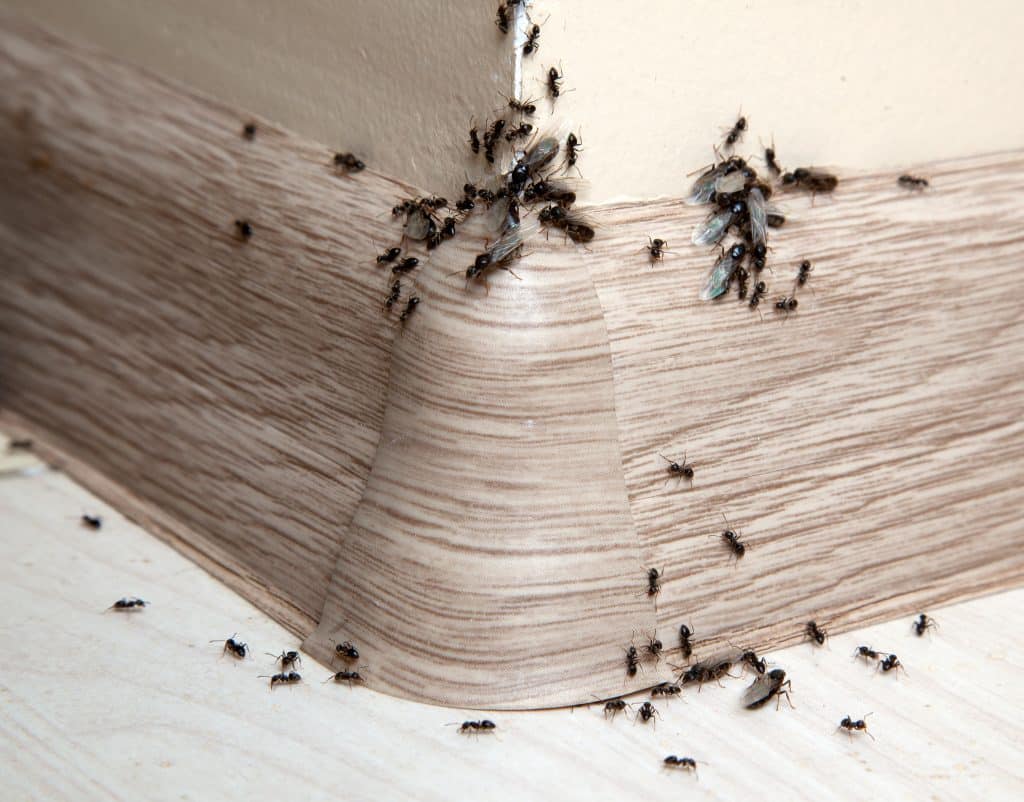
Seek water and food sources indoors. Ants tend to become more noticeable in the wetter months (especially January and November), as they seek food and water indoors. Peak months: January, November.
Health risk: Contaminate food and carry bacteria.
Rodents
Flooding not only overwhelms our drainage systems but also unintentionally allows rodents, especially the Sewer Rat, access to our homes through drains and pipes. Fleeing flooded nests. Peak months: November to January.
Health risk: Disease transmission and property damage.
Flies
Flies breed more due to the increased availability of organic waste in the rainy season. Organic waste accumulates. Peak months: January, November, December.
Health risk: Contaminate food and spread disease.
When Pests Peak During Rainy Season
November – December
Termite activity tends to peak in the rainy season due to increased moisture in the soil. Flying termites swarm. Mosquitoes breed actively. Cockroaches seek shelter.
January – March
Peak rainy months. All pest activity increases. Cockroaches are particularly active during the wet months as they seek shelter from the rain. Most invasions occur.
April – October
Dry season. Pest activity decreases slightly. But Singapore’s humid climate means pests remain active. Professional monitoring essential year-round.
Signs of Pest Infestation During Rainy Season
Recognize these warning signs early:
Visual signs
Cockroach droppings (small black specks)
Termite mud tubes on walls
Rodent droppings in corners
Ant trails on kitchen counters
Termite wings near windows
Food packaging damage
Other indicators
Strange odors (musty or foul)
Scratching sounds in walls
Bite marks on skin (mosquitoes, bed bugs)
Damaged wood or paint
Unexpected moisture in walls
Pest sightings at unusual times
Why Indoor Pests Multiply During Rainy Season
Conditions that favor infestations
Moisture abundance: Moisture and humidity after storms support faster breeding and survival for many insects, especially mosquitoes, termites and cockroaches.
Soft structural materials: Damp wood becomes easier for termites to penetrate and tunnel through.
Breeding site multiplication: Every potted plant, drain, and container becomes mosquito breeding ground.
Food source stability: Indoor areas become more attractive to pests during wet weather because food sources remain stable while outdoor options are disrupted.
Shelter seeking: Pests flood indoors to escape wet outdoor environments.
Higher humidity levels: 84% average humidity supports continuous breeding cycles.
Prevention Strategies Before Rainy Season
Eliminate standing water
Stagnant water is the main breeding ground for mosquitoes. Check flowerpots, drains, containers. Empty water daily. Cover containers that collect rain.
Seal entry points
Pests often enter buildings and homes through a variety of entry points. Apart from windows and doors, various pests may enter the premises through gaps between walls and open drains.
Fix leaks immediately
Check roof for damage. Repair dripping pipes. Dry wet areas promptly. Moisture trapped in walls creates hiding spots for pests.
Store food properly
Keeping food in sealed containers and proper waste management is key. Seal all food containers. Store in cabinets. Remove garbage daily.
Reduce clutter
Pests hide in piles of paper, cardboard, unused furniture. Declutter before rainy season. Store items in sealed bins away from walls.
Improve ventilation
Be sure to keep humidity levels in your home low during wet seasons by opening some windows or doors, or turning on exhaust fans. Use dehumidifiers in high-moisture areas.
Pre-Rainy Season Checklist
Prepare your home during Singapore’s rainy season
☐ Check all window and door seals
☐ Clear gutters and downspouts of debris
☐ Fix all dripping pipes and faucets
☐ Seal cracks in walls and foundations
☐ Install door sweeps under exterior doors
☐ Trim tree branches away from roof
☐ Check drains for proper flow
☐ Remove standing water from outdoor areas
☐ Schedule professional termite inspection
☐ Set up mosquito traps and repellents
☐ Buy food storage containers
☐ Check pest control service contracts
When DIY Prevention Isn’t Enough
Contact professionals if you notice:
Pests appearing in multiple rooms despite cleaning
Continued pest sightings after treatment attempts
Signs of termites (mud tubes, hollow wood, discarded wings)
Unusual moisture or dampness in walls
Rodent droppings or scratching sounds
Swarms of flying insects indoors
Persistent cockroach or ant activity
Wood that sounds hollow when tapped
When the source is not immediately obvious, an early assessment by a pest exterminator can help uncover where the pest infestation is starting. Professional inspection identifies hidden infestations before they cause major damage.
Frequently Asked Questions
Why do pests appear suddenly after rain?
Pests seek shelter and protection from the elements. That’s why, during the rainy season, you’re more likely to see ants, cockroaches, lizards, and rodents on your property. They’re not “pushed” indoors by rain. They’re attracted by moisture and shelter.
What’s the most dangerous rainy season pest?
Termites cause the most property damage. Mosquitoes pose the highest health risk (dengue fever). Rodents can transmit serious diseases. All six major pests require professional attention if infestations develop.
When should I start rainy season pest prevention?
Start preparations in September and October, before November rains arrive. It’s important to repair leaks immediately and clear out pools of water. Early prevention is cheaper than treating established infestations.
Can I prevent all rainy season pests?
Elimination is impossible, but prevention significantly reduces pest problems. Pests don’t just stay confined to one area – they can move from unit to unit, especially in HDB flats and condominiums. Professional services provide the best protection.
How often should I inspect for pest signs?
During rainy season, check weekly for signs of infestation. Look for droppings, damaged food, mud tubes, and unusual odors. Professional inspections should happen annually, more frequently if previous infestation occurred.
Protect Your Home Before Rainy Season Hits
Prevention is simpler and cheaper than treating infestations. Contact GreenCare for a pre-rainy season inspection. We identify vulnerabilities and eliminate pest risks before they become problems.
Termite Mud Tubes Singapore | Professional Control Termite Mud Tubes in Singapore What these thin brown tunnels reveal, and why breaking them does not solve the problem Mud Tubes: The Termite Highway You Can See Subterranean termites cannot survive long in open air. They dry out quickly, so they build protected tunnels out of soil, […]
Termite Swarmers in Singapore What flying termites mean for your property, and how to act before the damage spreads Flying Termites: The First Visible Sign of a Hidden Colony In Singapore, the first sign many homeowners notice is not damage but a cloud of winged insects near a window, light fitting or door […]
Bed Bugs Singapore | Professional Control Bed Bugs in Singapore Rapid infestation spread, health impact, and professional heat treatment Bed Bugs: Silent Health Crisis in Singapore Homes Bed bugs in Singapore homes multiply explosively, spreading through bedding, furniture, and entire buildings. These tiny parasites feed on blood at night, leaving itchy bites and causing sleep […]
Get A Free Estimate Or Quote
Get a quick, no-obligation quote from
Greencare. A specialist will contact you as soon
as
possible. Or You May Call Us: