Why biofilm makes DIY treatment fail. Professional enzymatic solutions.
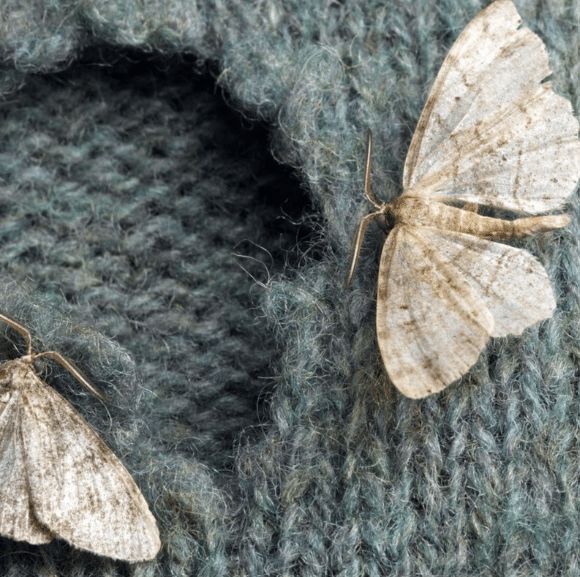
You cleaned the drain thoroughly. Flies are back within days. The problem isn’t your cleaning effort. It’s biofilm.Drain flies are small, fuzzy insects that resemble tiny moths. They are typically dark gray or black in color and measure about 1/8 inch in length. They are drawn to the damp and organic material buildup inside drains and pipes, where they lay their eggs. In Singapore’s 80%+ humidity and warm climate, larvae hatch in 48 hours. Understanding biofilm explains why home treatment fails.
What Are Drain Flies?
Drain flies, also known as sewer flies or moth flies, are small insects from the Psychodidae family. The most common species is Clogmia albipunctata. They’re attracted to drains because of food availability and breeding habitat.
Physical appearance
Small, fuzzy, moth-like wings. Typically dark gray or black. About 1/8 inch (3mm) in length. Hop in short bursts, don’t fly smoothly like fruit flies.
Behavior pattern
Most active in evenings and night hours. Prefer dark, moist areas. Rest on drain walls during day, emerge at night seeking light.
Smell presence
An unexplained odour in bathrooms or kitchen corners could come from decaying organic matter in pipes, which is ideal for fly breeding. Strong musty, sewage-like smell indicates biofilm buildup.
Location clues
A sudden increase in small flies near sinks or bathroom floors points to a possible infestation in plumbing or drain systems. Floor traps and shower drains most common.
The Biofilm Problem: Why DIY Fails
Understanding the invisible breeding shield
Biofilm definition: Drain flies are not just a nuisance; they are indicators of Biofilm—a bacterial slime coating your pipes. This slime is a living community of bacteria and organic matter.
Biological protection: In Singapore’s 80%+ humidity, larvae hatch in 48 hours and thrive within this organic shield, which physically protects them from standard bleach or boiling water.
Why cleaning fails: Use a stiff drain brush to physically destroy the biofilm shield. This is the most critical step. Without breaking biofilm, larvae survive inside.
Depth problem: Apply enzymatic treatment for 5-7 nights. These enzymes eat organic matter that brushes can’t reach deep in U-traps.
Continuous breeding: Biofilm constantly regenerates from organic matter (hair, soap, food debris) flowing through pipes.
Year-round activity: Singapore’s year-round warmth and 84% humidity allow drain flies to reproduce continuously. No seasonal dormancy.
Drain Fly Lifecycle: Why Speed Matters
48-hour hatch cycle in Singapore climate
Egg stage: Eggs are laid in biofilm inside drains and pipes. Multiple batches per female. Eggs microscopic, invisible.
Larvae stage: Larvae feed on organic matter in drains. Grow through multiple molts. This stage lasts 7-28 days depending on temperature.
Rapid development: In Singapore’s warm climate, larvae hatch in 48 hours. Warm water accelerates entire cycle. 27-32°C ideal for reproduction.
Pupal stage: Pupae form in biofilm. Transformation from larva to adult. Last 1-2 days in warm conditions.
Adult emergence: Adults emerge from biofilm, fly around drains seeking food and mates. Live 8-10 days.
Reproduction rate: One female produces multiple batches. If undisturbed, population doubles every 5-7 days.
Common Drain Fly Breeding Locations in Singapore Homes
Drain flies breed in all wet, organic-rich areas. Professional treatment must target all sites:
Floor traps
A dry floor trap is the number one cause of recurring drain fly problems in Singapore homes. Evaporated water = exposed breeding ground. Every unit has multiple floor traps.
Bathroom drains
Hair, soap scum, skin cells accumulate. Create ideal biofilm environment. Shower drains especially vulnerable due to constant moisture.
Condensation moisture year-round. Dark, humid, stagnant water. Often forgotten in prevention routines.
Overflow drains
Rarely used, stagnant water accumulates. Biofilm develops unnoticed. Can become major breeding source if overlooked.
Why Home Treatment Has Limited Success
The reality of DIY drain fly treatment
Adult-only approach: Killing adult drain flies is only a temporary fix. The key to stopping drain flies permanently is breaking their breeding cycle through consistent drain maintenance. Traps catch adults, miss larvae and eggs.
Biofilm survival: Without mechanical cleaning, enzymatic treatment, or professional fogging, the colony will persist and grow indefinitely. Home bleach/boiling water doesn’t penetrate biofilm.
Deep trap access: U-traps have bends that trap debris. Brush can’t reach inside curves. Larvae hidden inside survive DIY attempts.
Hidden breeding: Rodents can move between floors using pipes, ledges, and structural gaps. Same applies to flies in shared drains. One source remains, reinfects.
Effort duration: Weekly floor trap flush and fortnightly drain scrub required. Consistency lapses allow population recovery. People stop effort after 2-3 weeks.
Misidentification risk: Drain flies are fuzzy, have moth-like wings, and hop in short bursts. Fruit flies have red eyes and prefer fruit. Wrong identification = wrong treatment.
Professional Drain Fly Treatment Methods
Professional pest control breaks breeding cycle through systematic approaches:
Biofilm destruction
Use a stiff drain brush to physically destroy the biofilm shield. This is the most critical step. Professional mechanical cleaning reaches deep into pipes and U-traps.
Enzymatic treatment
Apply enzymatic cleaner for 5-7 nights. These enzymes eat organic matter that brushes can’t reach deep in U-traps. NEA-approved safe for families and pets.
Floor trap sealing
Pour water into every floor trap in your home weekly, especially in guest bathrooms and utility areas. Professional ensures all traps wet, preventing fly emergence.
Insecticide application
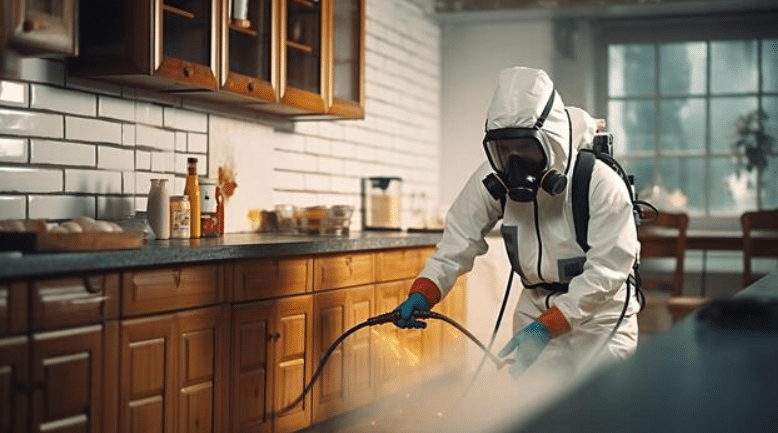
Professional NEA-licensed treatment for deep-stack infestations in shared HDB/Condo plumbing. Targeted to breeding sites when mechanical/enzymatic insufficient.
Space dispersion
Space dispersion through fine misting kills adult flies instantly and leaves behind a 30-day residue. Catches emerging adults while biofilm treatment progresses.
Monitoring system
Sticky traps placed in drains monitor population reduction. Professional adjusts treatment based on trap catch counts. Verifies cycle break after 7-14 days.
Prevention: Keeping Drain Flies Away Permanently
Weekly maintenance
Weekly floor trap flush. Pour water into every floor trap in your home weekly, especially in guest bathrooms, utility areas. Prevents dry traps that expose breeding grounds. Simple, effective, must be consistent.
Biweekly cleaning
Fortnightly drain scrub. Remove floor trap covers and bottle trap covers every two weeks and scrub away any slimy buildup using a stiff brush. Prevents biofilm thickening and rebuilding.
Daily boiling water
Daily boiling water plus salt for one week kills emerging larvae and disrupts the rapid tropical cycle. When infestation active, accelerate larvae death rate with heat.
Drain hygiene
Clean sink overflows. Remove hair from drain covers. Flush drains daily with water. Keep AC condensation lines clear. Remove standing water from any area.
Health Risks From Drain Flies
Drain flies themselves do not carry diseases, but they can transfer bacteria and pathogens from sewage and other contaminated areas to surfaces in your home, potentially leading to health issues.
Bacterial transfer: Flies don’t bite or sting, but they can carry bacteria from contaminated areas. Their decaying bodies can also cause allergic reactions.
Plumbing damage: They can clog pipes and spread bacteria, leading to potential plumbing issues and health concerns.
Cross-contamination: Flies walking on drains then on food preparation surfaces spread pathogens.
Can I get rid of drain flies without professional help?
Possible for light infestations with consistent effort. Fortnightly drain scrub and weekly floor trap flush prevent re-infestation. But if home remedies and regular cleaning do not eliminate the infestation, professional pest control services provide more thorough and effective treatments.
How long does drain fly treatment take?
Timeline varies by infestation severity. Light: 1-2 weeks with professional treatment. Moderate: 2-4 weeks. Severe: 4-6 weeks. Professional monitoring tracks progress via sticky traps placed in drains.
Will drain flies come back after treatment?
Yes, if you don’t maintain prevention habits. Weekly floor trap flushing and regular drain scrubbing prevent re-infestation. Treatment is first step; maintenance is ongoing requirement.
Are professional drain fly treatments safe for my family?
Professional NEA-licensed treatment when applied by qualified operators using microbial and enzymatic agents are safe once dry (1-2 hours). Always inform the technician about infants or pets.
Why are drain flies worse in Singapore?
Singapore’s year-round warmth and 84% humidity allow drain flies to reproduce continuously. No winter dormancy. 48-hour hatch cycle means rapid population growth. Professional prevention essential year-round.
Professional Drain Fly Treatment in Singapore
Biofilm prevents home treatment from working. Professional enzymatic treatment destroys biofilm and breaks breeding cycle. Weekly maintenance prevents reinfestation. Get professional assessment and enzymatic treatment today.
Clothes Moth Control Singapore Protect wool, cashmere, and silk from hidden larval destruction Clothes moths are silent wardrobe destroyers that cause thousands of dollars in damage annually. It is the Clothes Moth larvae that does the damage! Clothes Moth Larvae feed on a protein (keratin) that is found in animal-based fibers such as […]
Carpet Beetle Control Singapore Protect clothing, carpets, and valuables from silent fabric destruction Carpet beetles are among the most destructive fabric pests in Singapore. Carpet beetles are among the most destructive fabric pests in the home. However, adult carpet beetles are tiny, rounded and often mottled brown, black or patterned. They’re harmless to […]
Earwig Pest Control Singapore Professional identification, moisture management, and effective elimination Earwigs are misunderstood pests often blamed for household problems they don’t cause. Earwigs are among the most misunderstood and persistent pests challenging property owners today. Despite their intimidating pincers, earwigs do not bite humans and their pincers are generally harmless to humans. […]
Get A Free Estimate Or Quote
Get a quick, no-obligation quote from
Greencare. A specialist will contact you as soon
as
possible. Or You May Call Us: