Common species, venom facts, professional removal & prevention strategies
Spiders look intimidating. But most are beneficial. There are over 800 species of spiders found in Singapore, however, most of them live in the jungles and forested areas of Singapore. Only a small fraction of Singapore spiders live in urban homes.Most spiders that live in the urban areas are not poisonous, however, you can find some poisonous species in the jungle areas of Singapore. Understanding which spiders you have and when to remove them helps you maintain healthy home pest balance.
Singapore Spider Diversity & Urban Reality
Most jungle species never enter human buildings
Total species: Over 800 species of spiders found in Singapore. 583 unique species from confirmed sightings. Only recorded from sightings.
Forest vs urban split: Most jungle spiders never enter human buildings. This is important because it means your home spider problem is manageable.
Danger concentration: Most poisonous spider species in Singapore are more likely to live in jungles rather than urban areas. Dangerous species uncommon in urban homes.
Common urban species: House spiders (cobweb builders), Daddy longlegs (cellar spiders), Wolf spiders, Huntsman spiders, Jumping spiders.
Limited indoor risk: Urban homes encounter same 5-10 spider species repeatedly, not 800 different species.
Common Singapore House Spider Species
House Spiders (Cobweb Builders)
Physical identification
Adult female: 6-7mm, male: 5mm
Small, brown, translucent bodies
Build thin, tangled irregular webs
Found in corners, under sinks, garages, attics
Behavior & lifespan
Sedentary web-builders
Wait for prey to get caught in web
Very successful in urban areas
Live 1-2 years typically
Pest control benefit
Eat flies, ants, woodlice
Very effective indoor insect control
Low maintenance (don’t move)
Venom & safety
Fangs too small to penetrate skin
Venom extremely weak
Bites extremely rare
Not dangerous to humans
Huntsman Spiders (Active Hunters)
Physical identification
Large: up to 15cm leg span
Flat body, brown or gray color
Long legs spread sideways (crab-like)
Fast moving, often on walls/ceilings
Behavior & hunting
Do not build webs, hunt and forage for food. Consist primarily of insects, occasionally small skinks and geckos.
Travel extremely quickly, often using springing jump while running, walk on walls and ceilings.
Nocturnal hunters (active at night)
Solitary spiders (infestations rare)
Venom & safety facts
Huntsman spider venom is less dangerous than brown recluse venom.
Huntsman spiders are not venomous enough to require hospitalization. Bites very painful and may cause other side effects in sensitive individuals. Not generally aggressive, most will try to run away.
Only bite if crushed or threatened directly
Effects: local swelling, pain, rarely systemic effects
Pest control value
Eat cockroaches, flies, insects
Very effective pest control
Huntsman’s presence is nature’s way of telling you have a pest problem they’re actively solving for free.
Popular in tropical countries for cockroach control
Jumping Spiders (Small Hunters)
Physical identification
Tiny: 9-12mm long
Colorful bodies (brown, gray, white)
Large forward-facing eyes (excellent vision)
Compact, stout body shape
Behavior & hunting
Incredible eyesight. Display curious, active behaviors and jump to capture prey.
Hunt by leaping several centimeters onto prey
Spend time around light sources attracting insects
Do not construct webs, use silk for retreats
Venom & safety
Small fangs, extremely low venom toxicity
Will only bite if severely pinched/crushed
No medical significance if bitten
Not dangerous to humans
Pest control value
Highly effective small insect hunters
Reduce pest populations significantly
Natural pest control agents
Help with housefly and mosquito control
Daddy Longlegs (Cellar Spiders)
Physical identification
Extremely long, thin legs (30x body length)
Small body, round abdomen
Gray-brown color
Hang upside down in webs
Behavior & nesting
Construct loose, irregular cobwebs
Hang upside down, bounce when threatened
Nocturnal (active at night)
Often found in dark corners, basements
Lifespan & characteristics
Females live 3 years. Males often die after mating (1 year).
Excellent predators of other spiders
Help control spider populations naturally
Venom & safety
Possess extremely weak venom
Venom completely harmless to humans
Fangs too small to penetrate skin
Bites not medically significant
Venom Facts: Most Singapore Spiders Are Safe
Understanding spider venom and bite risk
Venom purpose: Spider venom evolved to immobilize insect prey, not attack humans.
Bite rarity: Bites are rare. Spiders bite only in self-defense when crushed or threatened directly.
Symptoms usually mild: Most Singapore spiders cause minimal pain and swelling. Symptoms usually mild.
Dangerous species uncommon: Most poisonous spider species in Singapore more likely to live in jungles rather than urban areas. Yellow Sac Spider is one poisonous species found indoors.
When to seek medical help: Seek medical attention immediately if you encounter spider bites as they may cause infection, allergy and even severe conditions.
Healthy adults safe: Most house spider bites pose no serious risk to healthy adults. Children, elderly, and immune-compromised individuals should be more cautious.
Why Spiders Are Beneficial: Keep Them Around
Spiders control pest insect populations naturally
Multi-pest hunters: Spiders feast on other insects like flies, ants and woodlice. Different species prefer different prey. Most common house spiders eat the pests you want to eliminate.
Cockroach control: Huntsman spiders prey on cockroaches. People in many tropical countries like them because they feed on cockroaches and other pests.
Free pest control: If they’re in your home, it’s because we have insects they can eat – essentially, a huntsman’s presence is nature’s way of telling you that you have a pest problem they’re actively solving for free.
Why not kill them: Spiders are beneficial. They control pest insect populations. Killing them removes natural pest control. Safe removal and relocation is best approach.
Pest ecosytem balance: Spiders maintain natural balance. Removing them increases other pest populations.
Environmentally friendly: Natural pest control reduces need for chemical treatments.
When to Remove Spiders Professionally
Most spiders should be left alone. But professional removal appropriate in specific situations:
Call professionals if:
Spider population causes visible distress to household members
Reduce other pest populations (removes food source)
No need for chemical treatment usually
Spider Prevention Strategies
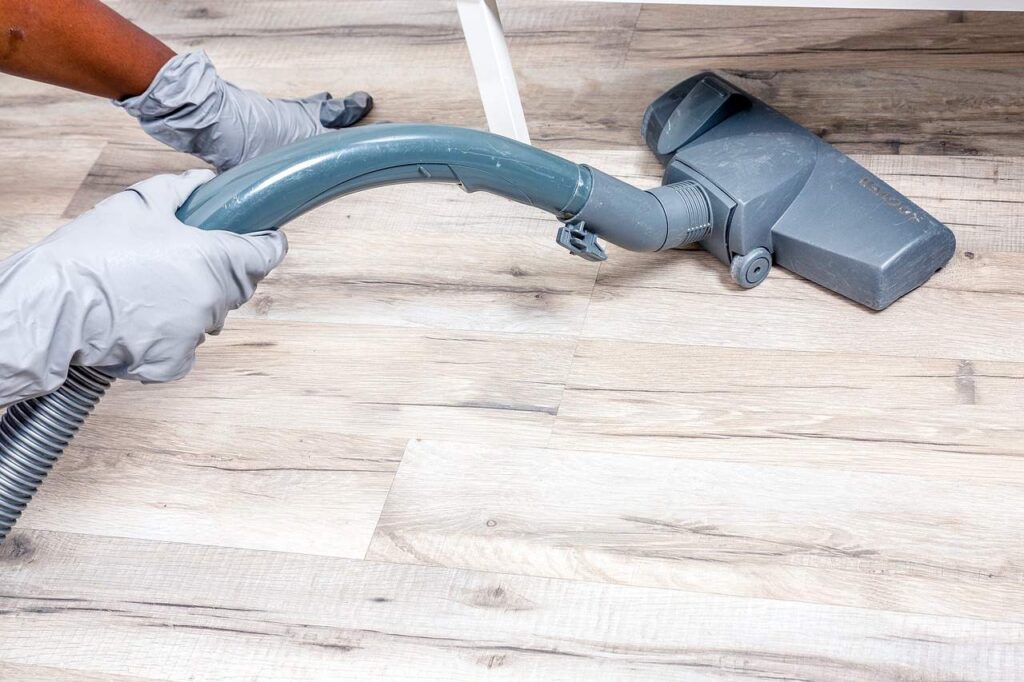
One of the best ways to prevent an infestation is to keep the property clean. Regular vacuuming removes webs and egg sacs before they multiply. Remove unnecessary items—spiders hide in boxes and papers. Well-ventilated spaces less attractive to spiders.
Remove clutter: Keeping your things organised will ensure less clutter for spiders to build nests and breed.
Pest control foundation: Make your home undesirable to other pests. Control flies, cockroaches, and ants. Spiders will leave without food source.
Plants management: Since many types of spiders live in gardens and vegetation, keep plants away from house. Maintain distance between gardens and building exterior.
Moisture control: Keep place well ventilated and free from moisture and water that attracts not just spiders but most pests.
Window/door sealing: Seal gaps and cracks where spiders enter. Install screens on windows.
Frequently Asked Questions
Should I kill spiders I find at home?
No. Most spiders help you control pests. But if spider populations causing concern or discomfort, professional safe removal is available. We relocate spiders humanely. Killing removes free pest control.
Are Huntsman spiders dangerous to my family?
Despite their large size and fearsome appearance, huntsman spiders are not considered dangerous to humans. Most huntsman spiders will likely try to run away rather than bite. Most people who are bitten don’t need to go to the hospital.
What should I do if bitten by a spider?
Clean the wound with soap and water. Apply cold pack for 10-15 minutes. Use over-the-counter pain relief (paracetamol, ibuprofen). Monitor symptoms. Seek medical advice if pain severe, swelling spreads, or if bitten person is child/elderly/has allergies.
How long do house spiders live?
Most house spiders live 1-2 years. Daddy longlegs females live 3 years. Males often die after mating (1 year). Golden orb-weavers live longer.
Can spiders reduce my cockroach problem?
Yes. Huntsman spiders specifically prey on cockroaches. Their presence in your home indicates you have insect pests they’re controlling for free. Keeping spiders around naturally reduces pest populations.
Professional Spider Control When You Need It
Most spiders are beneficial and should be left alone. But if spider populations cause distress or concern, professional safe removal and relocation available. Get expert assessment and humane spider management today.
Professional Spider Pest Control Singapore Expert inspection, treatment methods, and comprehensive elimination strategies Spider infestations develop quickly and hide in plain sight. Rapid reproductive cycles allow a single egg sac to hatch hundreds of spiderlings at once, which can turn a minor sighting into a full-scale infestation very quickly. DIY removal only addresses […]
House Centipedes in Singapore Why they’re in your home, venom facts, and professional pest control solutions Fast-moving centipedes crossing your bathroom floor = pest problem indicator. House centipedes are shy. They prefer to run and hide instead of fight. Most centipedes are beneficial because they eat pest insects.If centipedes are in your home, […]
Ant Species Identification in Singapore Ghost, Pharaoh, Carpenter, Crazy ants. Physical traits, behavior, damage types & treatment differences Wrong ant species = wrong treatment = treatment failure. Correctly identifying the species of ant present in a property is crucial for effective ant pest control. Each ant species has unique behaviors, food preferences, and […]
Get A Free Estimate Or Quote
Get a quick, no-obligation quote from
Greencare. A specialist will contact you as soon
as
possible. Or You May Call Us: