Expert inspection, treatment methods, and comprehensive elimination strategies
Spider infestations develop quickly and hide in plain sight. Rapid reproductive cycles allow a single egg sac to hatch hundreds of spiderlings at once, which can turn a minor sighting into a full-scale infestation very quickly. DIY removal only addresses visible spiders, missing the egg sacs and reproduction sites.Professional spider pest control combines treatment and prevention strategies. The process begins with detailed inspection to identify spider activity and potential entry points. Professional experts tailor their approach to treating your property, ensuring all concerns are addressed and your home is protected from spiders.
Why Spider Infestations Develop Faster Than You Think
Egg sacs and rapid reproduction create explosive population growth
Egg sac capacity: A single egg sac can hatch hundreds of spiderlings at once. One female spider creates multiple egg sacs over her lifetime.
Hidden reproduction: Spiders are masters of disguise that tuck themselves into dark, undisturbed areas like wall voids, cluttered closets, and crawl spaces where they can reproduce undetected.
Timeline: From single spider to hundreds within weeks if egg sacs hatch undetected.
Multiple generations: Multiple egg sacs at different development stages means continuous population replenishment.
Web expansion: Each week with untreated infestation, visible webs multiply, indicating population explosion below surface.
DIY miss rate: Unlike many DIY methods, professional spider control is designed to seep into the tiny crevices where egg sacs are tucked away. Home removal methods miss 90%+ of reproduction sites.
Professional Spider Inspection: Finding Hidden Infestations
Professional assessment identifies exactly where spiders are, how they’re reproducing, and what they’re feeding on:
Step 1: Interior Deep Dive Assessment
Technicians do a deep dive into your home’s hidden areas, checking the interior and exterior. This helps find where they are nesting and exactly which species we are up against. Inspectors systematically check closets, storage areas, wall voids, under furniture.
Step 2: Web & Egg Sac Identification
Inspector locates all visible webs and identifies active nesting sites. Marks egg sacs (protected cocoons) for targeted removal. Finds multiple nests indicating established infestation, not isolated spider.
Step 3: Species & Behavior Assessment
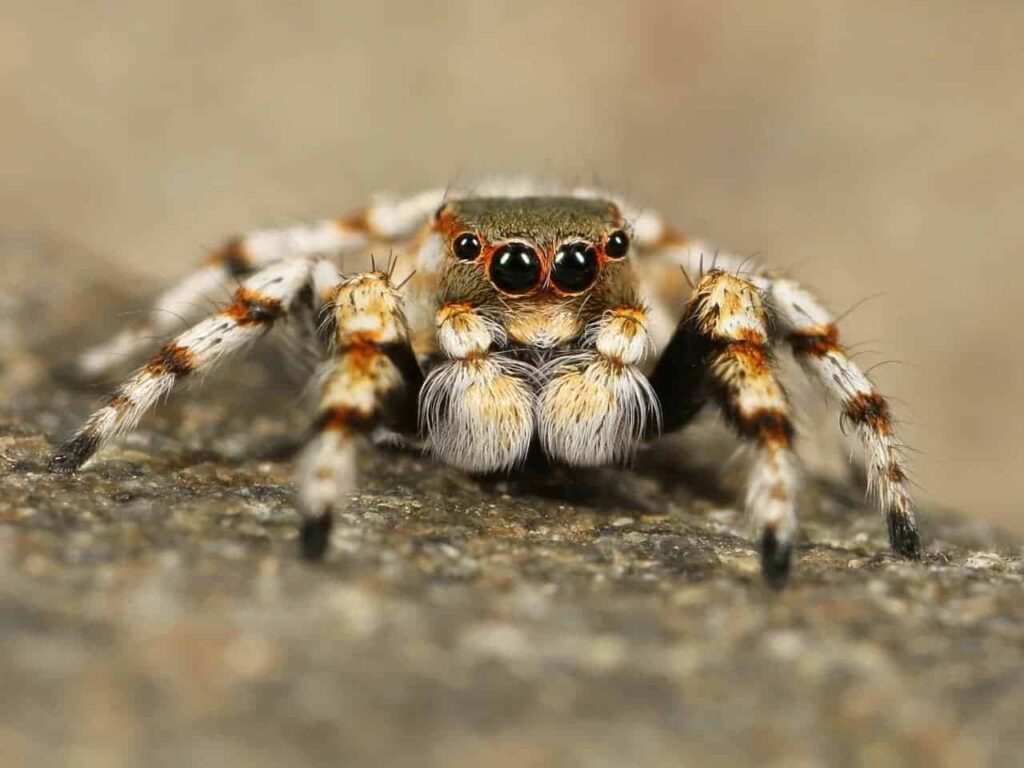
Based on inspection, determine which spider species present (house spiders, huntsman, jumping spiders). Create custom treatment plan based on species-specific behavior and nesting patterns.
Step 4: Food Source Identification
Assess what other insects present attracting spiders (flies, ants, other pests). Determine if spider problem secondary to larger pest infestation requiring concurrent treatment.
Step 5: Entry Point Mapping
Identify entry points where spiders are entering. Find gaps, cracks, damaged screens, and structural vulnerabilities allowing spider access. Mark all locations for exclusion sealing.
Step 6: Treatment Plan Development
Based on complete assessment, professional develops customized treatment plan. Determines if dewebbing needed, which insecticides appropriate, perimeter treatment scope, follow-up visit frequency.
Professional Spider Pest Control Treatment Methods
Dewebbing Service
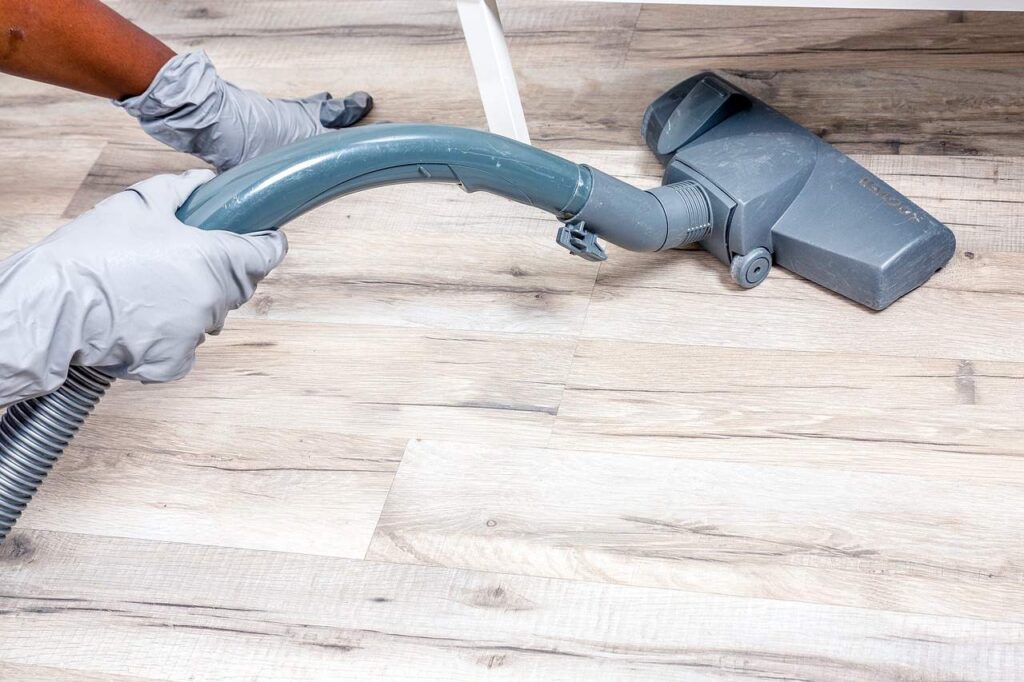
Critical component of service is physical removal of webs and egg sacs from both interior and exterior of your home. Carefully de-webbing eaves, shutters, and corners disrupts spiders’ ability to catch prey and reproduce.
Manual removal with specialized equipment
Targets corners, eaves, ceiling junctions
Safe removal of egg sacs
Prevents spiderling dispersal
Forces survivors to move elsewhere
Residual Insecticide Treatment
For exterior spider pest control, apply residual liquid treatments around your home’s foundation, windows, and doorways. These treatments are engineered to remain effective over time, creating a shield that targets spiders.
Perimeter barrier application
Long-lasting protective shield
Kills spiders on contact
Applied to entry points
Requires reapplication every 60-90 days
Dust Treatment for Voids
Specialized dust formulations applied into wall voids, crevices, and hidden spaces where spiders nest. Dust penetrates deep into gaps DIY approaches cannot reach. Eliminates hidden populations and egg sacs.
Glue Trap Placement
Strategically place professional-grade glue traps in high-traffic areas for spiders, such as dark corners, under furniture, and along baseboards. Traps monitor population reduction and capture remaining active spiders.
Pest Source Elimination
Eliminating other insect species from the home is effective control strategy because spiders depend on insects and other arthropods for food. Identify other pests and target those using control methods.
Exclusion & Sealing
Professional sealing of entry points, gaps, and cracks prevents new spiders from entering while internal population is being eliminated. Creates spider-proof barrier combined with active treatment.
DIY Spider Removal vs Professional Treatment: The Reality
Why professional pest control achieves results DIY methods miss
DIY approach: Visible spider removal (99% miss rate on egg sacs and hidden populations). Temporary relief lasting days to weeks.
Professional approach: Complete removal combining treatment and prevention strategies designed to seep into tiny crevices where egg sacs tucked away. Targets root infestation, not just visible spiders.
Professional advantages: Species identification, complete infestation assessment, targeted multi-method treatment, ongoing monitoring, prevention measures, guarantees and warranties.
Cost consideration: DIY costs: time + repeat treatments = S$0-500+ over months with poor results. Professional: S$300-600 single assessment + treatment = permanent resolution.
Success rates: DIY typical success: 10-20%. Professional typical success: 85-95% with follow-up.
When to Call Professional Spider Pest Control
Signs your spider problem needs professional intervention
Frequent sightings: Seeing spiders multiple times per week in different locations indicates established infestation, not isolated spider.
Multiple visible webs: If you’re consistently finding spiders in multiple rooms, it’s time to consider professional spider pest control.
Egg sacs visible: Signs of infestation include discovering egg sacs and noticing an increase in other insects (which attract spiders).
New spiders after removal: Removing visible spiders but finding new ones days later = missed egg sacs or nests.
Dangling spiderlings: Seeing hundreds of spiderlings dispersing from single egg sac location indicates recent hatch. Requires immediate professional intervention.
Dark basement/attic activity: Multiple webs in unoccupied spaces = major hidden infestation developing.
Dangerous species concern: If you suspect dangerous species (black widow, brown recluse), professional help highly recommended.
Professional Treatment Timeline & Results
Initial inspection visit: 1-2 hours to assess property completely. Assessment report includes findings and treatment recommendations.
First treatment application: Dewebbing, perimeter treatment, pest elimination begins. 2-4 hours depending on infestation severity.
Visible results: Finding spider in your home can be startling experience, but professional control helps you reclaim your home. Most clients notice significant reduction within 3-5 days.
Follow-up visits: 14-21 days after initial treatment to assess results, reapply treatments, monitor glue traps.
Complete elimination: Typically 4-6 weeks with 2-3 professional visits for comprehensive control.
Prevention maintenance: Quarterly or bi-annual treatments maintain spider-free status long-term.
Frequently Asked Questions
How much does professional spider pest control cost?
Initial inspection typically S$100-200. Treatment packages S$300-800 depending on property size and infestation severity. Quarterly maintenance contracts S$150-300 per visit. Many companies offer guarantees: if spiders return between treatments, they return free to retreat.
Are professional spider treatments safe for families and pets?
Professional treatments are applied by trained pest control technicians using approved solutions. Solutions tailored to suit your needs. Should respect safety concerns about children and pets. Most professional insecticides are low-toxicity once dry (1-2 hours).
Why is dewebbing necessary if we’re using insecticides?
Dewebbing eaves, shutters, and corners disrupts spiders’ ability to catch prey and reproduce, forcing remaining survivors to move elsewhere. Removes 90%+ of egg sacs that insecticides alone cannot penetrate. Essential for breaking reproduction cycle.
How long does professional treatment last?
Initial treatment typically lasts 30-60 days. Residual insecticides effective longest (60-90 days). Most professionals recommend quarterly maintenance in tropical climates like Singapore where spiders reproduce year-round.
What if spiders return after professional treatment?
Most reputable pest control companies offer guarantees. If spiders return between scheduled visits, they will return at no additional cost to retreat. Guarantees typically 30-90 days depending on company.
Professional Spider Pest Control Assessment
Egg sacs develop into hundreds of spiderlings in weeks. DIY removal misses 90%+ of reproduction sites. Professional inspection identifies exact infestation scope, treatment plan targets root cause, and follow-up monitoring ensures permanent elimination. Get professional spider pest control assessment today.
House Centipedes in Singapore Why they’re in your home, venom facts, and professional pest control solutions Fast-moving centipedes crossing your bathroom floor = pest problem indicator. House centipedes are shy. They prefer to run and hide instead of fight. Most centipedes are beneficial because they eat pest insects.If centipedes are in your home, […]
Spider Control in Singapore Common species, venom facts, professional removal & prevention strategies Spiders look intimidating. But most are beneficial. There are over 800 species of spiders found in Singapore, however, most of them live in the jungles and forested areas of Singapore. Only a small fraction of Singapore spiders live in urban […]
Ant Species Identification in Singapore Ghost, Pharaoh, Carpenter, Crazy ants. Physical traits, behavior, damage types & treatment differences Wrong ant species = wrong treatment = treatment failure. Correctly identifying the species of ant present in a property is crucial for effective ant pest control. Each ant species has unique behaviors, food preferences, and […]
Get A Free Estimate Or Quote
Get a quick, no-obligation quote from
Greencare. A specialist will contact you as soon
as
possible. Or You May Call Us: