

Tiny Residents You Will Never See
Dust mites are microscopic relatives of spiders. They are too small to see with the naked eye, and they live in almost every home. They feed mainly on shed human skin flakes and on the fungi and moulds that grow in dust, and they are most abundant in places where people sleep, sit and spend time indoors.
In Singapore’s warm, humid climate, dust mites find ideal conditions year-round. Humidity above about 70 percent allows their populations to grow quickly, which is why bedrooms, sofas and carpets in tropical homes can carry high levels of mites even when they look clean.
This guide explains where dust mites live, the allergy symptoms they can trigger, practical steps to reduce them at home, and what pest control can and cannot do.
Where Dust Mites Live
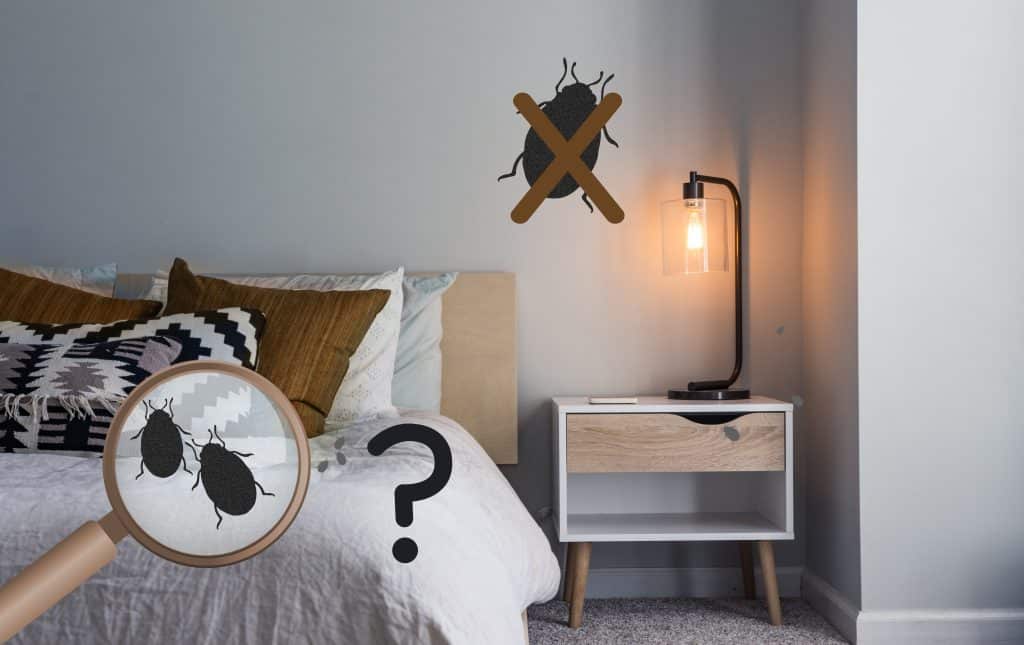
Dust mites live in the fabric and fibres of soft furnishings, not in open air or on bare surfaces. They gather where skin flakes accumulate and where humidity stays high.
Common Locations:
- Mattresses, pillows and bed frames: The most common and most concentrated habitat
- Bedding and blankets: Especially duvets and pillowcases that are rarely washed
- Upholstered sofas and armchairs: Cushions and fabric covers that trap skin and dust
- Carpets and rugs: Fibres that hold dust and moisture for long periods
- Soft toys and curtains: Fabric surfaces that collect dust and rarely get cleaned
Dust mite allergen comes mainly from their droppings and body fragments, which are light enough to become airborne when bedding is shaken, furniture is moved or floors are vacuumed without a suitable filter.
Why Singapore Homes Are Prone to Dust Mites
Several features of tropical homes make dust mites harder to control than in cooler, drier climates:
- High humidity: Mites need moisture to survive, and humidity levels often stay high indoors
- Air-conditioning: Closed rooms can trap moisture and allergens if they are not ventilated or dehumidified
- Enclosed living: Homes that are sealed for long periods allow dust and mites to build up
- Fabric-rich interiors: Soft furnishings and carpets common in many homes provide habitat
Allergy Symptoms Linked to Dust Mites
Dust mite allergens are a common trigger for allergic rhinitis, asthma and eczema. Symptoms are often worse in the bedroom and on waking, and they can ease when the person is away from home.
Symptoms to Watch For:
- Sneezing, runny or blocked nose, especially in the morning
- Itchy, watery or red eyes
- Coughing, wheezing or tightness in the chest, particularly at night
- Itchy skin or eczema flare-ups
- Poor sleep caused by congestion or coughing
Practical Steps to Reduce Dust Mites at Home
Dust mites cannot be eliminated completely, but their numbers and allergen levels can be reduced substantially with consistent habits.
Bedding and Mattresses:
- Wash bedding, pillowcases and blankets weekly in hot water, ideally at 60°C or above
- Use zippered allergen-proof covers on mattresses and pillows
- Vacuum mattresses and bed frames regularly, using a vacuum with a HEPA filter
- Air out bedding in sunlight when possible, which can reduce moisture and mite numbers
- Replace old pillows and mattresses that have become heavily infested or worn
Humidity and Ventilation:
- Use a dehumidifier or air-conditioner with a dehumidify mode to keep indoor humidity lower
- Ventilate bedrooms and bathrooms, and run exhaust fans after showering
- Avoid drying clothes indoors, which adds moisture to the air
- Check for damp patches and fix leaks promptly
Cleaning and Dust Control:
- Dust with a damp cloth rather than a dry one, so particles are trapped rather than spread
- Vacuum carpets, rugs and upholstered furniture at least weekly
- Reduce unnecessary soft furnishings and fabric clutter in bedrooms
- Wear a mask when vacuuming, dusting or making beds if you have allergies
What Pest Control Can and Cannot Do
Dust mites are not usually treated the way insects and rodents are. Chemical sprays and fogs do little to reduce them, and they can leave residues that irritate airways. Many dust mite reductions come from cleaning, bedding care, humidity control, and replacing heavily infested items rather than from pesticide treatment.
- Inspecting the home for damp, leaks and poor ventilation that sustain mite populations
- Ruling out other pests, such as cockroaches, bed bugs or rodents, that may be causing similar symptoms or allergens
- Advising on humidity control, ventilation and sanitation changes
- Recommending suitable cleaning routines and furniture or bedding replacement where appropriate
When to Get Help
- Allergy symptoms persist despite regular cleaning and bedding care
- Symptoms are worsening, or someone in the household has asthma or breathing difficulties
- Damp, mould or leaks are present in the bedroom or living areas
- Other pests such as cockroaches, bed bugs or rodents are also present
Concerned About Dust Mites or Damp at Home?
Speak to GreenCare about an inspection to check for damp, ventilation issues, and other pests that may be affecting your home.
Thorough inspection and practical advice for your home.