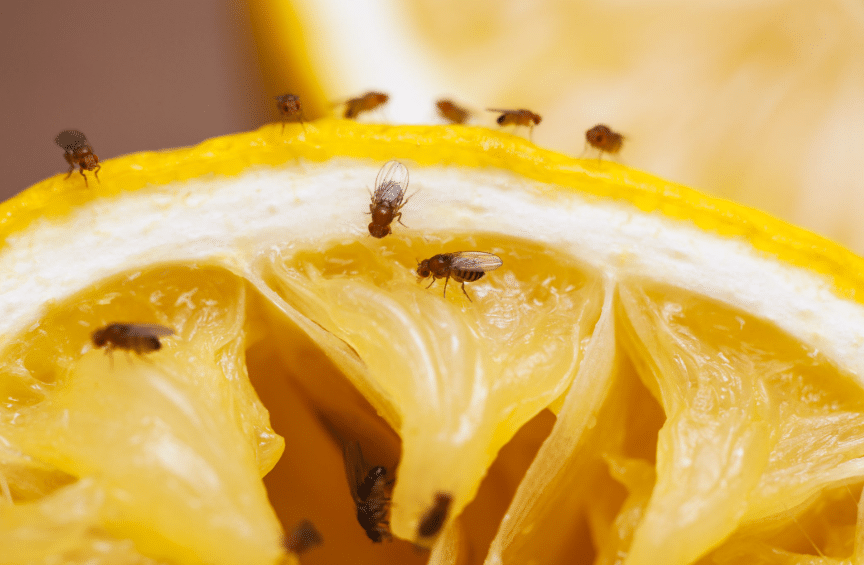


House flies are a common sight in Singapore. While they may look harmless, they are notorious carriers of disease-causing pathogens. These pesky flies always seem to find their way inside homes.
This year, say goodbye to indoor flies and hello to a fly-free home! With a few simple tips, you can get rid of flies indoors and keep them from returning.
What attracts house flies indoors?
Controlling flies entails a variety of strategies to deal with them and eliminate their food sources. Flies go into homes because of the environment inside that is completely conducive to their needs.
The housefly has a short life cycle but they breed quickly. Adult flies lay 75 or more eggs on any decaying organic material. These can be feces in a litter box to spilled food in the corner of the kitchen.
Within only a few days, these eggs develop into larvae commonly referred to as maggots. They feed on the organic material in which they hatch. And within only a couple more days, they grow into another generation of adults.
How to get rid of indoor flies?
There are various fly control methods you can use to address a fly problem. Yet, if you already have a serious fly infestation at home, just contact a fly control in Singapore asap.
1. Keep your home clean
To get rid of houseflies, keep your house clean and tidy. A cluttered home will often become infested with them. Whereas a neat home will only have the occasional housefly that manages to sneak in through an open door or window.
Eliminate any spilled foods or organic material that flies frequently lay eggs in. House flies are called filth flies for good reason. This is because the remains of decaying organic substances are their favorite food source.
Flies also like moisture, so make sure you get rid of the standing water in your house and fix leaking faucets. Other things you can do to discourage flies indoors include:
- Taking out the trash regularly and keeping trash cans closed.
- Covering foods and cleaning spills quickly.
- Washing dirty dishes in the sink immediately.
- Keeping pet areas clean.
- Fixing drips and removing excess moisture.
2. Place bug-repellent plants indoors
Some flowers and herbs naturally repel flies and other bugs. You can plant them in pots and put them beside doorways and windows to stop pests from entering your home.
3. Use mechanical methods to kill indoor flies
Indoor flies can be eliminated using a variety of fly traps. The two types of fly traps you can use inside the house are indoor fly traps and electric fly traps. Indoor fly traps like sticky papers will not kill flies upon contact. On the other hand, electric bug zappers can electrocute and kill them once they touch them.
Should you use pesticides indoors?
Even though most people first think about chemical insecticides as a first choice for pest control, pesticide control should be avoided whenever possible. Overuse has begun to increase the likelihood of resistance and substantially increase the effective dosage level for house flies.
This means that you will need to use stronger pesticides to control outside pests. It is best to use chemical pest control outside though. But it should be done by an expert in NEA pest control in Singapore to prevent misuse and avoid side effects.
Final Thoughts
By using the tips mentioned above, you can say goodbye to indoor flies that have been bugging you for so long. Not only will this create a more sanitary environment, but preventing or eradicating fly infestation immediately will also save you time and money in the long run. So why wait? Start putting these tips into action today!