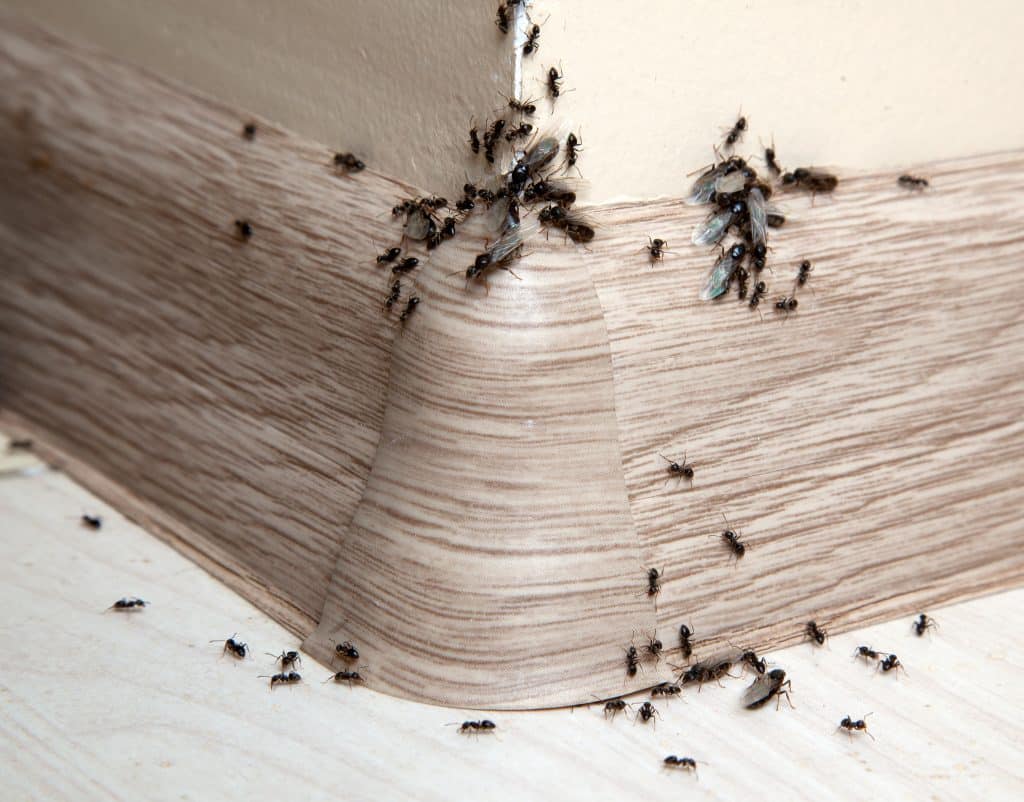


Termites can cause a lot of damage to your home. Not only can they eat away at the wood in your furniture, but they can also cause structural damage. If you have a termite infestation, then get rid of them as soon as possible. There are a few different termite treatments that you can use to get rid of them.
While you opt for the most suitable termite control treatment, make sure you understand which of the options is the best fit for your specific property. In many cases, it’s easy to be overwhelmed by the distinct alternatives available.
To ensure that your termite problems are correctly addressed, you must contact your local termite pest control expert.
What are the most common types of termite treatments?
Consulting a pest control service in Singapore is the most ideal way of handling termite problems. They can inspect your property to assess the level of termite infestation and come up with the most effective solution for eliminating termites. Below are the three most common methods for treating termites.
1. Soil and barrier termite treatments
These types of treatments are the most common methods of dealing with a termite infestation.
Soil treatments entail applying chemical pesticides or liquid termiticides to the ground above or below the foundation of a structure. This is to create a chemical barrier that safeguards the structure from the exterior and helps stop termites from tunneling through.
With barrier treatments, an exterminator can use chemicals or physical elements in your home to protect your interior. One example is injecting foam insecticide into the walls and floors. Foam insecticides have a similar consistency to shaving cream. Upon injection, they spread throughout the openings inside your home.
Soil and barrier treatments are used together to ensure that termites residing inside your structure are eradicated. The applied termiticides can last up to 5 years, making it more cost-effective than termite bait stations in some situations.
When it comes to physical barriers, an example is termite shields. These are thin sheets of metal installed around wooden structural components of your home or business during the initial phases of building. However, such a shield is not likely to be used in combating an existing termite infestation.
2. Termite bait stations
Termite bait stations are placed in areas near a termite colony. There are 2 types of bait stations: above-ground station and underground station.
The underground bait station must be planted deep in the soil. They are normally more cost-effective and produce better results than above-ground bait stations. Yet, in some cases, above-ground bait stations may be more useful than the former.
Termite bait stations utilize baits that have been treated with low doses of non-repellent termiticides. When the termites discover the bait, they can transport it back to the colony, and consume the poison there. As a result, it can destroy the whole termite colony, which should solve the problem at its core.
This method has a less negative environmental impact and offers longer-term protection than utilizing chemicals to get rid of termites.
3. Fumigation
To remove major termite infestations requires subjecting your home to intensive fumigation for about 3 days. It involves the placement of fumigants that release toxic gas throughout the space occupied by the pests.
For the fumigation of your home to be comprehensive, it will be tented and sealed before dispersing the termite treatment gas. Fumigation will usually happen for approximately 24 hours. But it can also depend on the size of the structure and the extent of your termite infestation.
After the treatment, the pest control specialist will aerate and monitor your home until all of the gas is gone and it is safe to move back in. However, fumigation does not guarantee that your property will remain termite-free forever. The type of termite can be a factor in the effectiveness of fumigation.
Read also: How Often Should You Call For Professional Pest Control?
How to prevent termites?
Termite treatment may vary based on the species of termite and the precise details of your environment. There are more than 2,700 species of termite worldwide. They are classified into three main groups, namely subterranean termites, drywood termites, and dampwood termites. All of them can be found in Singapore.
Termite damage can take years to become visible. And when they manifest, it would be too costly to repair them. To prevent this from happening, you should implement various preventative measures.
Key Takeaway
There are several termite treatments available to homeowners. If you think you may have a termite problem, then call a pest control service in Singapore.
If you have a question about termites or any other pests, contact us today at 6970 0205!