How to Prevent Bed Bug Reinfestations After Treatment
TL;DR:
Bed bug treatments in Singapore work, but lasting results depend on your aftercare. Clean regularly, heat-treat bedding, and use protective covers to block hiding spots. Inspect weekly, reduce clutter, and stay alert to early signs. Know the risks—travel, guests, and shared housing can bring bed bugs back. Simple habits make all the difference.
Few things are more unsettling than the thought of bed bugs coming back after you’ve just had them removed. In Singapore’s dense living spaces, it’s normal to feel anxious about reinfestation, but with the right steps, you can keep your home bed bug-free and regain your peace of mind.
Why Bed Bug Reinfestations Happen: Common Causes and Risk Factors
Even after professional treatment, bed bugs can return if you’re not careful. Understanding how they survive and spread helps you stay one step ahead.
Squeeze into cracks, furniture joints, and wall gaps—places treatments might miss
Go weeks without feeding, waiting for the right moment to emerge
Survive incomplete treatments if eggs were not fully eradicated.
Reintroduction Through Travel, Guests, or Shared Housing
Sometimes, a new infestation isn’t a comeback, but a fresh start. Bed bugs hitch rides on luggage after travel, slip through shared walls in flats, or arrive with guests. In Singapore’s high-rise living, these risks are real.
How Long Does It Take for Bed Bugs to Fully Disappear?
Most adult bed bugs die within hours of professional treatment, but eggs may take weeks to clear. With good habits and follow-up, your home should be pest-free in 4–6 weeks.
What to Expect During and After Professional Extermination
After your bed bug treatment in Singapore, most adult bugs die within hours. However, it can take several weeks for the residual effects to eliminate any newly hatched eggs. During this period:
You may spot a few dead or dying bugs—this is normal
Some minor activity might persist for up to 2 weeks
Professional follow-up visits ensure all life stages are addressed.
After treatment, your actions matter. Cleaning removes dead bugs and eggs, and stops new infestations before they start.
How to Clean and Vacuum Safely After Treatment
Vacuum all affected areas—mattress seams, bed frames, and floor edges. Use a HEPA filter vacuum and seal the bag before disposal. Hold off on mopping or steam cleaning unless your pest specialist says it’s safe, as this can reduce the treatment’s effectiveness.
Washing and Heat-Treating Bedding and Clothing
Wash all bedding, pillowcases, and curtains in hot water (above 60°C) and dry on high heat for at least 30 minutes. Store clean items in sealed bags until you’re sure the bugs are gone.
Protecting Mattresses and Furniture From Remaining Bed Bugs
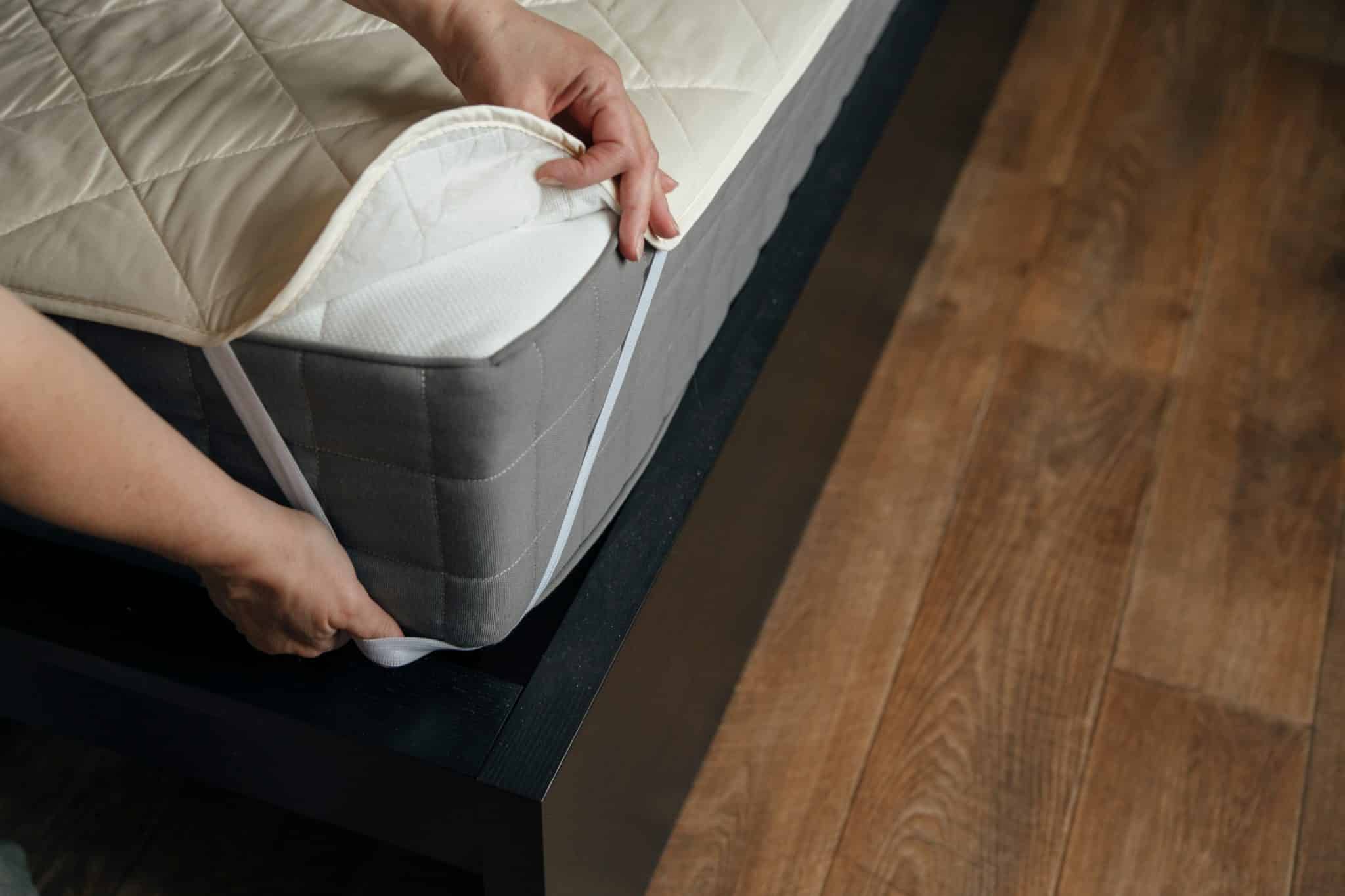
Fit bed bug-proof encasements on mattresses and pillows. These covers trap any survivors and stop new bugs from hiding. Check furniture joints and headboards regularly, especially wooden ones.
What to Do Immediately After Bed Bug Extermination
Your actions right after treatment are crucial for keeping bed bugs from coming back. In Singapore’s close living quarters, a few simple habits can make all the difference.
Regular Bed Bug Checks and Home Inspections
Perform a quick weekly check of your sleeping areas:
Look for black spots, shed skins, or tiny blood stains on sheets—these are early warning signs
Use a torch to inspect bed frames, baseboards, and corners
Schedule a professional follow-up right away if you spot anything suspicious.
Reducing Clutter and Common Hiding Spots
Bed bugs love clutter. Keep your home tidy by:
Storing clothes in sealed containers or zip bags
Avoid piling books, boxes, or laundry near beds
Move furniture slightly away from walls to limit hiding places and make inspections easier.
Using Bed Bug-Proof Covers and Interceptors
Fit bed bug-proof covers on mattresses and pillows to trap any survivors and block new bugs from hiding. Place interceptors under bed and sofa legs—these simple devices catch bugs trying to climb up, giving you an early warning before a full reinfestation can take hold.
Signs of Remaining or Returning Bed Bugs
Even after professional help, it’s important to stay alert for any signs that bed bugs might be making a comeback.
New Bites or Skin Reactions After Treatment
Not all new bites mean the bugs are back—sometimes it’s just your skin reacting to old bites or dying bugs. But if you keep getting new bites for more than a week or two, it’s time to check for live activity.
Finding Live Bed Bugs, Eggs, or Droppings
Watch for small reddish-brown bugs, tiny white eggs (about 1mm), or black ink-like droppings. These are clear signs that bed bugs may still be present. If you see any of these, don’t wait—get a professional reinspection to stop a new infestation before it spreads.
Why Choose Greencare for Bed Bug Pest Control in Singapore
When it comes to keeping your home bed bug-free for good, experience and precision matter. Greencare is a trusted name for safe, effective, and eco-friendly pest control. Our NEA-certified specialists use targeted bed bug treatment in Singapore that reaches every hiding spot, protecting your family and giving you peace of mind. Contact us for expert advice, thorough inspections, and reliable aftercare—so you can rest easy, knowing your home is protected.
🦟 Mosquitoes Singapore March 2026: Dengue Season Peak & Wolbachia Control Rainy Weather Increasing Breeding, Wolbachia Reduces Cases 70%, Prevention B-L-O-C-K Singapore’s Perfect Storm for Mosquitoes: March 2026 Weather Report Current Conditions: Singapore is experiencing partly cloudy skies with temperatures hovering around 31°C (88°F) and high humidity levels. The critical factor: rain […]
🪵 Termites (White Ants) in Singapore: Complete Control Guide Detection, Prevention, Treatment Costs & Protection for HDB, Condos & Landed Homes The Silent Destroyers: Why Termites Are Singapore’s Costliest Pest Termites—commonly called “white ants” in Singapore—are one of Asia’s most destructive pests. A single colony of 60,000 termites can consume a 2×4 […]
Fruit Flies in Singapore Explosive breeding, fermentation sites, and professional elimination Fruit Flies: A Kitchen Explosion Fruit fly infestations in Singapore explode rapidly. These tiny insects breed in 4-6 days, meaning populations double within a week. Unlike house flies (larger, slower breeding), fruit flies are almost invisible and breed in fermented fruits, drains, and […]
Get A Free Estimate Or Quote
Get a quick, no-obligation quote from
Greencare. A specialist will contact you as soon
as
possible. Or You May Call Us: