Mosquito numbers spike after rain in Singapore as fresh stagnant water becomes prime breeding ground. Fogging right after rain is highly effective because mosquitoes rest on plants and shaded spots, making them easier to target. Combining fogging, larviciding, and regular checks offers the best defence against mosquito-borne diseases during the rainy season.
If you’ve noticed more mosquitoes buzzing about after a downpour, you’re not alone. In Singapore, it only takes one rainy spell for mosquito activity to surge around homes and estates. That’s why post-rain mosquito fogging services in Singapore are a common sight—timed to strike when mosquitoes are at their most vulnerable.
Many residents wonder why fogging is done right after rain, but the answer lies in the unique behaviour of mosquitoes and the local climate. Understanding the science behind this timing can help you take the right steps to protect your family and community. With Singapore’s frequent showers, knowing how to respond quickly is key to keeping your home comfortable and safe.
How Rain Increases Mosquito Breeding
Rainfall leaves behind puddles and pools, even in the smallest corners. These become the ideal environment for mosquitoes to multiply quickly, as most local species only need a thin layer of stagnant water to lay their eggs.
In Singapore’s dense urban environment, water can collect in plant pots, roof gutters, and even discarded containers, creating countless opportunities for mosquitoes to multiply. The warm, humid conditions that follow rain further accelerate the mosquito breeding process, allowing eggs to hatch and larvae to develop at a rapid pace. Areas with poor drainage or cluttered gardens are especially at risk, as water tends to linger longer in these spots.
Even a brief afternoon shower can be enough to trigger a surge in mosquito numbers if breeding sites are not removed promptly. By understanding how rain creates these ideal conditions, you can take proactive steps to reduce mosquito breeding around your home.
Mosquito Lifecycle After Rainfall
After rain, mosquitoes waste no time laying eggs in fresh water. Within days, these eggs hatch into larvae, then pupae, and soon after, biting adults. The entire process is accelerated by Singapore’s tropical climate, meaning a new generation of mosquitoes can appear almost overnight if left unchecked.
What Are The Risks of Mosquito Breeding?
A sudden spike in mosquitoes isn’t just annoying—it’s a health risk. Mosquitoes are known carriers of diseases like dengue and Zika, which can affect anyone. High mosquito activity also disrupts daily life, especially for families with young children or elderly members.
The presence of mosquitoes can make it difficult to enjoy outdoor spaces, and constant bites can lead to sleepless nights and increased stress. In severe cases, mosquito-borne diseases can result in hospitalisation or long-term health complications. The risk is especially high during Singapore’s rainy season, when mosquito populations can grow rapidly if not controlled. Taking action early helps protect your family and community from these serious health threats.
Risks include:
Rapid increase in mosquito numbers within days
Higher chances of dengue, Zika, and other diseases
More mosquitoes entering homes for shelter and food
Quick reinfestation, even after cleaning.
If you’re seeing more mosquitoes after rain, it’s wise to act fast before the problem escalates.
Noticing more mosquitoes after the recent rain? Schedule a quick inspection and extermination to protect yourself and others before the problem escalates.
How Mosquito Fogging Works
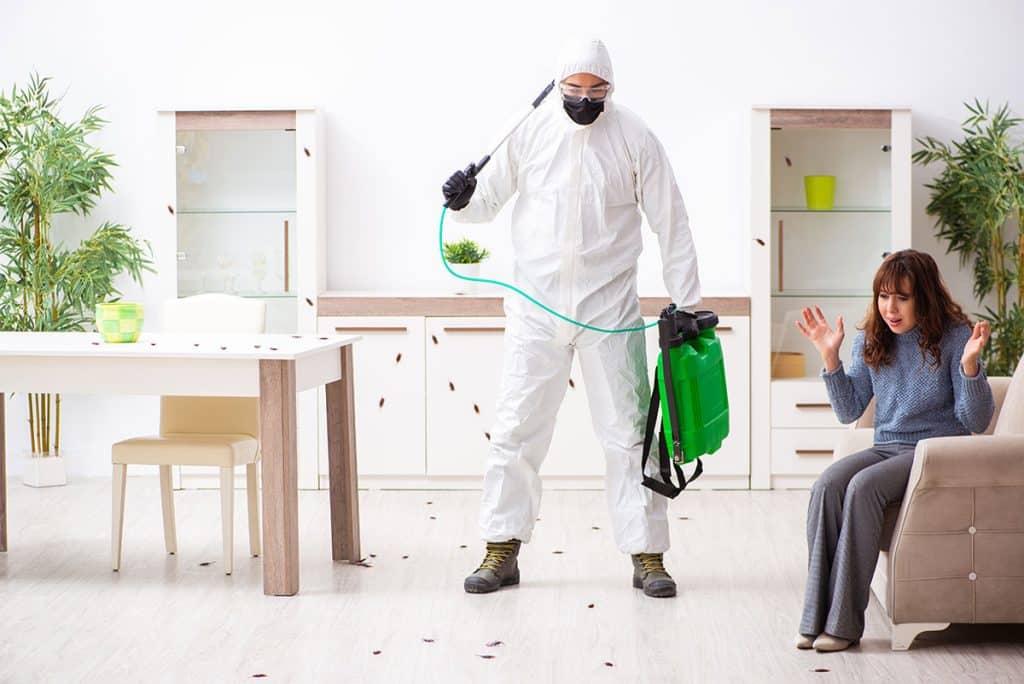
Post-rain mosquito fogging works because mosquitoes are easier to target—they tend to rest on vegetation and low-lying areas as the air cools. This makes fogging more successful at reaching and eliminating them.
Common Fogging Techniques
Fogging disperses a fine insecticidal mist that clings to leaves, corners, and sheltered spots where mosquitoes hide. This ensures a fast knockdown and helps reduce the population quickly.
While fogging is effective, it’s not a one-off solution. The best results come from combining fogging with other strategies:
Larvicides to Target Mosquito Breeding Sites
Larvicides target mosquito larvae before they become adults. Applying larvicides to drains, gutters, and other stagnant water spots after rain keeps mosquito numbers in check.
Landscaping to Minimise Mosquito Habitats
Trimming shrubs, clearing leaves, and improving drainage reduces mosquito hiding spots. Well-kept gardens make it harder for mosquitoes to thrive, boosting the effectiveness of fogging.
Monitoring Mosquito Hotspots After Rain
Check your home after every heavy rain, focusing on:
Roof gutters
Air-conditioning trays
Plant pots and saucers
Drains and shaded corners.
Spotting and treating hotspots early means fewer mosquitoes and less risk for your and others within the vicinity.
Why Choose Greencare for Mosquito Fogging in Singapore
When mosquito numbers soar after rain, you want a team that understands local conditions. Greencare offers targeted, eco-friendly mosquito fogging and control solutions, combining fogging, larviciding, and prevention for lasting results. If you’re looking for fast, safe, and effective protection, contact us today—our experts are ready to help you keep your home mosquito-free, rain or shine.
Termites (White Ants) in Singapore: Complete Control Guide Detection, Prevention, Treatment Costs & Protection for HDB, Condos & Landed Homes The Silent Destroyers: Why Termites Are Singapore’s Costliest Pest Termites—commonly called “white ants” in Singapore—are one of Asia’s most destructive pests. A single colony of 60,000 termites can consume a 2×4 wood beam in […]
Bed Bugs in Singapore: Complete Treatment & Prevention Guide Detection, Removal Costs, and Professional Solutions for HDB & Condos The Bed Bug Crisis in Singapore Homes Bed bugs are increasingly common in Singapore’s warm, high-density homes, causing sleepless nights, itchy bites, and constant worry. A single female can lay hundreds of eggs, so a small […]
Get A Free Estimate Or Quote
Get a quick, no-obligation quote from
Greencare. A specialist will contact you as soon
as
possible. Or You May Call Us: