+65 6970 0205
Follow us




TL;DR:
Worried if you have a sudden infestation of flying termites? Learn how to spot the difference between these alates and ants, understand the risks of these pest presence, and discover when professional help is essential. This guide empowers you to protect your property with clear, actionable steps and trusted advice.
Spotting winged insects indoors can be alarming, especially if you’re unsure whether you’re dealing with flying termites or ants. Although both pests are common in Singapore’s humid climate, their impact on your property is very different. Knowing how to identify flying termites is the first step in preventing costly damage and ensuring your peace of mind.
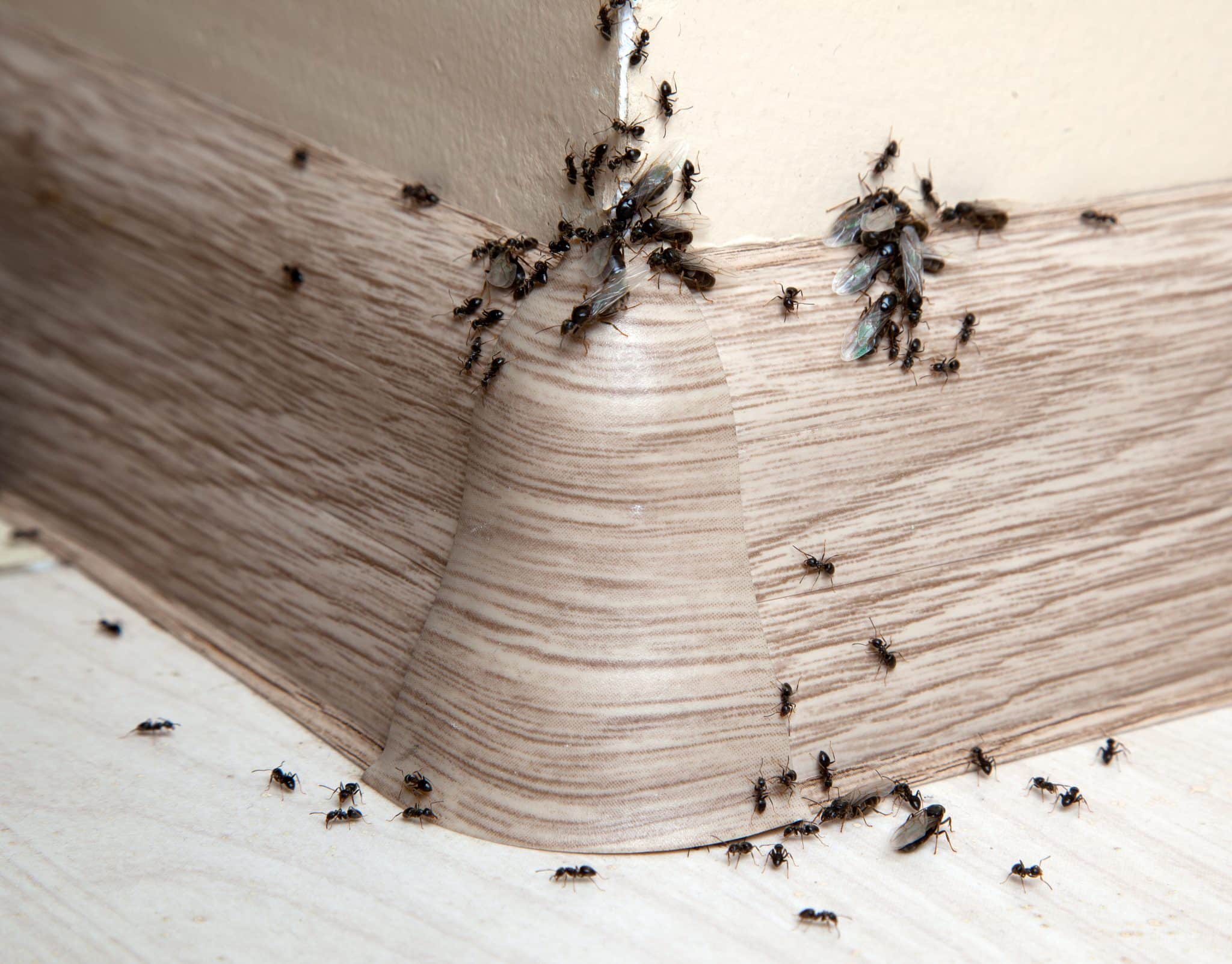
Flying termites, also known as alates, are a sign that a termite colony is mature and ready to expand. Unlike flying ants, termites can silently destroy wooden structures, furniture, and even the integrity of your home.
While flying ants are mostly a nuisance, flying termites signal a potential infestation that can lead to expensive repairs if left unchecked.
Misidentifying flying termites as ants is a common mistake. This can delay effective treatment and allow termites to cause further damage. Early and accurate identification ensures you take the right steps—whether it’s simple prevention or urgent professional intervention.
Catching a flying termite infestation early can save you thousands in repairs on your Singapore property. Termites work quietly, often out of sight, so visible swarmers are a critical warning sign. Early detection allows for targeted, safe treatment options before structural damage occurs.
Now that you understand the risks, it’s important to know exactly what you’re dealing with. Let’s break down how to distinguish flying termites from flying ants, so you can respond with confidence.
Both flying ants and termites swarm during Singapore’s rainy season, often after heavy showers. Their similar size and wings can cause confusion, but their behaviour and impact are very different.
While flying termites and ants may look similar at first glance, a closer look reveals clear differences. Here’s how you can tell them apart by their appearance and behaviour.
| Feature | Flying Termites | Flying Ants |
| Waist | Broad, straight | Pinched, narrow |
| Antennae | Straight, beaded | Elbowed, bent |
| Wings | Equal length, fragile | Unequal length, sturdy |
| Shedding Wings | Yes, often found near windows | Rarely, wings stay attached |
| Behaviour | Attracted to light, weak flyers | Stronger flyers, less attracted |
Flying termites and ants are most active during warm, humid evenings, especially after rain. You may notice them near lights, windows, or doors. Swarmers indoors often indicate a nest nearby, while outdoor sightings may be less urgent but still worth monitoring.
Spotting a few flying insects is one thing, but recognising the warning signs of a real termite problem is another. Here’s what to watch for if you suspect an infestation.
Wondering what early warning signs to look out for? Here are the most common indicators of a termite swarm and the first signs of damage.
If you spot any of the above signs, especially in combination, it’s time to investigate further. Gently tap wooden surfaces—if they sound hollow, termites may be present. For a definitive answer, consider a professional inspection, as termites often hide deep within structures.
There is one sure way to confirm if you are facing a termite problem. Contact Greencare to get a professional inspection for peace of mind and tailored advice—before minor signs become major issues.
If you’ve identified signs of flying termites or ants, don’t panic—there are practical steps you can take. Here’s how to manage an active problem and prevent future infestations in your home.
According to the National Environmental Agency, DIY sprays and home remedies rarely address the root of a termite infestation. If you see flying termites indoors, notice mud tubes, or find damaged wood, it’s best to seek a professional inspection. Certified pest control providers in Singapore use safe treatment options that target the colony, not just the visible swarmers.
Prevention is always better than cure. Try these straightforward steps to reduce your risk of future infestations.
When it comes to flying termites in Singapore, prompt and discreet action makes all the difference. Greencare, a certified termite control provider, is committed to environmentally safe solutions and a thorough, methodical approach. Our team conducts detailed inspections, develops tailored treatment plans, and provides ongoing support to ensure lasting protection for your home.
With Greencare, you can trust that every step is taken with your family’s safety and comfort in mind. Arrange a professional inspection today—early intervention is the best way to prevent minor infestations from becoming costly structural issues.
In the world of online gambling, promotional offers such as free spins have become a popular way for players to maximize their winnings without risking their own money. This article will delve into the enticing realm of “30 free spins no deposit required” offers, exploring how players can make the most of these bonuses. We […]
Master the Mind Game: High Stakes Blackjack at Basswin Casino Tonight There’s something irresistibly magnetic about the high-stakes tables at basswin casino. The soft shuffle of cards, the quiet intensity between players, and that razor-thin margin between triumph and loss — it’s more than just a game of numbers. It’s a test of psychology, composure, […]
Wybór odpowiedniego kasyna online to kluczowy krok dla każdego gracza. W Polsce mamy coraz więcej opcji, ale jak znaleźć to idealne miejsce do gry? W tym artykule przedstawię najważniejsze czynniki, które powinny wpływać na Twoją decyzję. Od bezpieczeństwa i licencji po bonusy i ofertę gier — omówię wszystko, co warto wziąć pod uwagę, aby uniknąć […]