Fleas are one of the most common pet problems in Singapore. They breed quickly and cause health issues for both pets and people. Early detection prevents infestations from spreading.Understanding how fleas spread helps you protect your pet and home.
Why Fleas Are a Problem in Singapore
Singapore’s warm, humid climate creates ideal conditions for fleas.
Year-round breeding: Fleas multiply fast in tropical temperatures.
Easy pet exposure: Dogs and cats pick up fleas outdoors or from other animals.
Multiple flea sources: Stray animals, wildlife, and other pets spread fleas.
Quick infestation: A few fleas become hundreds within weeks.
Pets such as dogs and cats are the main source of flea and tick infestation. Once fleas reach your home, they spread to furniture, bedding, and carpets.
Signs Your Pet Has Fleas
Early detection stops infestations before they get worse. Look for these warning signs:
Scratching or biting fur
Pets scratch and bite more than normal. Fleas cause itching that drives pets crazy.
Hair loss
Excessive scratching causes bald patches. Hair may look thin or patchy.
Red or inflamed skin
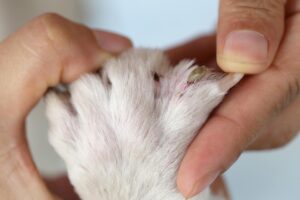
Flea bites cause redness. Skin may have bumps or scabs from scratching.
Flea dirt (droppings)
Small black specks in fur that look like dirt. This is actually flea waste mixed with blood.
Flea eggs
Tiny white oval specks in fur or bedding. Almost invisible to the naked eye.
Behavior changes
Pets may become restless, anxious, or uncomfortable. Sleep patterns change due to itching.
Health Risks From Fleas
Fleas cause serious health problems for both pets and people.
Fleas and ticks in Singapore can carry parasites and diseases that can cause severe, and sometimes even fatal diseases in your pet. Some fleas transmit serious diseases to both pets and people.
The Flea Lifecycle
Understanding how fleas reproduce
After feeding, a female cat flea can lay between 25 and 40 eggs a day, in the fur of the host or its bedding. This rapid reproduction makes fleas hard to control.
Key lifecycle facts:
Adult fleas live 2 weeks to 8 months depending on conditions
Females lay 25-40 eggs daily after feeding on blood
Eggs hatch in 2-5 days in warm, humid environments
Larvae feed on organic matter in carpets and bedding
Cocoons can remain dormant for up to 2 years
A single female cat flea can produce up to 2,000 eggs in a lifetime.
This rapid lifecycle makes professional treatment often necessary. DIY methods alone rarely eliminate all fleas.
Pet Prevention: Protecting Your Dog or Cat
Flea preventive medication
Topical (spot-on) or oral treatments kill fleas monthly. Talk to your vet about the best option for your pet.
Flea comb regularly
Use a fine-tooth flea comb to remove fleas and eggs. Check fur daily, especially behind ears and under tail.
Bathe your pet
Regular bathing with pet shampoo removes fleas. Warm water helps drown fleas during bathing.
Check outdoor exposure
Keep pets away from areas with stray animals. Limit time in long grass and wooded areas where fleas hide.
Avoid flea-infested areas
Don’t visit homes or parks with known flea problems. Other pets may carry fleas your pet can pick up.
Vet consultation
Discuss flea prevention with your veterinarian. Your vet recommends products safe and effective for your pet’s age and weight.
Home Prevention: Stopping Fleas in Your House
Cleaning for flea control
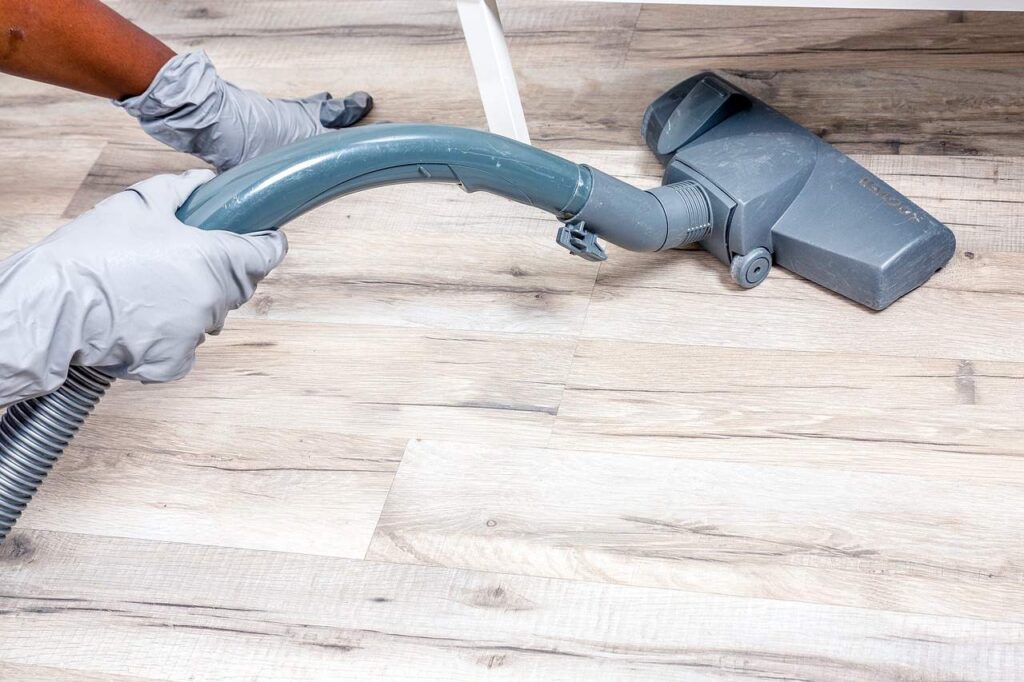
Vacuum regularly: Vacuum carpets, rugs, and furniture where fleas hide. Pay special attention to pet sleeping areas.
Wash bedding hot: Wash pet bedding in water above 60°C weekly. Heat kills fleas, eggs, and larvae.
Clean furniture: Vacuum couches, chairs, and cushions where pets rest.
Preventing reinfestation
Discard heavily infested bedding: In severe cases, throw out bedding fleas have colonized.
Remove organic matter: Fleas feed on dried blood and organic debris. Regular cleaning removes their food source.
Inspect before moving: Check carpets for flea eggs when moving into a new home. Previous pets may have left fleas dormant.
When to Get Professional Help
Professional flea treatment is necessary when:
Your pet has a severe flea infestation
Home treatment isn’t working after 2-3 weeks
Multiple pets are infested
Fleas have spread throughout the home
Your pet has health issues from fleas
You’re dealing with a flea-infested home you just moved into
Professional pest control companies treat both pets and homes. They use products and methods that eliminate all flea life stages.
Frequently Asked Questions
Can fleas jump from my pet to me?
Yes. Fleas like human blood too, and they can jump from your pet’s fur or bedding onto your skin. Flea bites on humans cause itchy welts. Some people have worse reactions than others.
How long does it take to get rid of fleas?
It depends on infestation severity. Most effective treatments take 2-4 weeks to eliminate all fleas, eggs, and larvae. Because fleas have a long lifecycle, repeated treatment is often needed.
Are fleas from stray animals different from pet fleas?
No. Cat and dog fleas are the most common type of fleas found in Singapore. They can be found on pets, stray dogs and cats. However, despite their names, neither type of flea is exclusive to only cats or dogs.
Can I use dog flea treatment on my cat?
No. Never use dog flea products on cats. Some ingredients are toxic to cats. Always consult your veterinarian before using any flea product on your pet.
Will vacuuming remove fleas?
Vacuuming helps but doesn’t eliminate fleas completely. It removes eggs and larvae from carpets and furniture, but adult fleas may survive. Vacuuming plus medication gives the best results.
House Flies in Singapore Food contamination, disease transmission, and professional elimination House Flies: Kitchen Contamination Risk House flies in Singapore are common in kitchens and food preparation areas. These insects contaminate food with bacteria and disease-causing organisms. Unlike mosquitoes (seasonal) or cockroaches (hiding), house flies are visible pests that land on food and […]
House Fly vs Fruit Fly Identification GreenCare Pest Control Singapore | Quick Visual Guide & Professional Control QUICK ANSWER: House flies are 8mm, gray-black, breed in garbage/drains. Fruit flies are 3-4mm, yellowish-tan, breed on fermenting fruit. Both transmit disease. Professional elimination required for health safety. Flying insects in your kitchen? Identifying whether you […]
Dengue Mosquito Control in Singapore Identification, breeding prevention, and professional elimination for dengue fever protection Dengue Mosquitoes: A Critical Health Risk in Singapore Dengue fever in Singapore is transmitted by Aedes mosquitoes. These small insects breed in stagnant water and spread rapidly in urban environments. Unlike other mosquitoes, Aedes mosquitoes are active during day […]
Get A Free Estimate Or Quote
Get a quick, no-obligation quote from
Greencare. A specialist will contact you as soon
as
possible. Or You May Call Us: