Pest control and pets require careful planning. Some chemical treatments can harm dogs, cats, and other animals. Understanding what’s safe helps you protect your family and pets.Modern pest control can be both effective and pet-safe. The key is knowing how to prepare and which products to choose.
Why Pests Threaten Pets
Pests don’t just bother your home. They cause serious health problems for pets.
Fleas and ticks transmit diseases like Lyme disease and heartworm
Mosquitoes carry heartworm parasites
Cockroaches and rodents spread bacteria to pet food
Parasites cause skin infections and anemia in pets
Pests around your home do not only put your family’s health at risk, they endanger your pets’ health too. Professional pest control protects your pets from pest-borne disease.
Toxic Chemicals to Avoid
Some pest control ingredients are dangerous for pets. Know what to avoid when choosing products.
Pyrethroids
Found in many sprays and lawn treatments. Highly toxic to cats. Can cause tremors, seizures, or death in pets. Most common cause of pesticide poisoning in pets.
Organophosphates
Used in some insecticides. Interferes with nerve signals. Causes muscle twitching, respiratory distress, and collapse in exposed pets.
Carbamates
Another class of insecticide. Similar effects to organophosphates. Dangerous for both dogs and cats in high doses.
DEET
Common in human insect repellents. Not safe for dogs. Even small amounts cause drooling, vomiting, and neurological effects.
Metaldehyde
Used in slug and snail control. Also in some rodent products. Toxic to pets if ingested.
When purchasing pest control products, always read the labels and ingredient lists. Look for products free of harmful ingredients like DEET, which can be toxic to pets, and metaldehyde, commonly found in slug, snail and rodent control products.
Pet-Safe Pest Control Options
Safe alternatives exist for pest control. Talk to professionals about pet-safe options.
Diatomaceous Earth (DE)
Made from fossilized diatoms. Safe for pets. Kills insects by dehydration. Works on fleas, roaches, bedbugs. Can be dusted on pet fur or carpet.
Natural repellents
Herbs like lemongrass, peppermint, and neem are non-toxic to pets. Can be planted in gardens or used as oils to repel insects.
Physical barriers
Screens on windows and doors prevent pest entry. No chemicals needed. Safe for all pets. Eliminates pests without exposure risk.
Professional pet-safe products
Modern pest control companies offer chemicals formulated to be pet-safe. These products work effectively without harming dogs or cats.
Mechanical traps
Traditional traps catch rodents and insects without chemicals. Safe around pets if placed carefully. No toxic exposure.
Regular cleaning
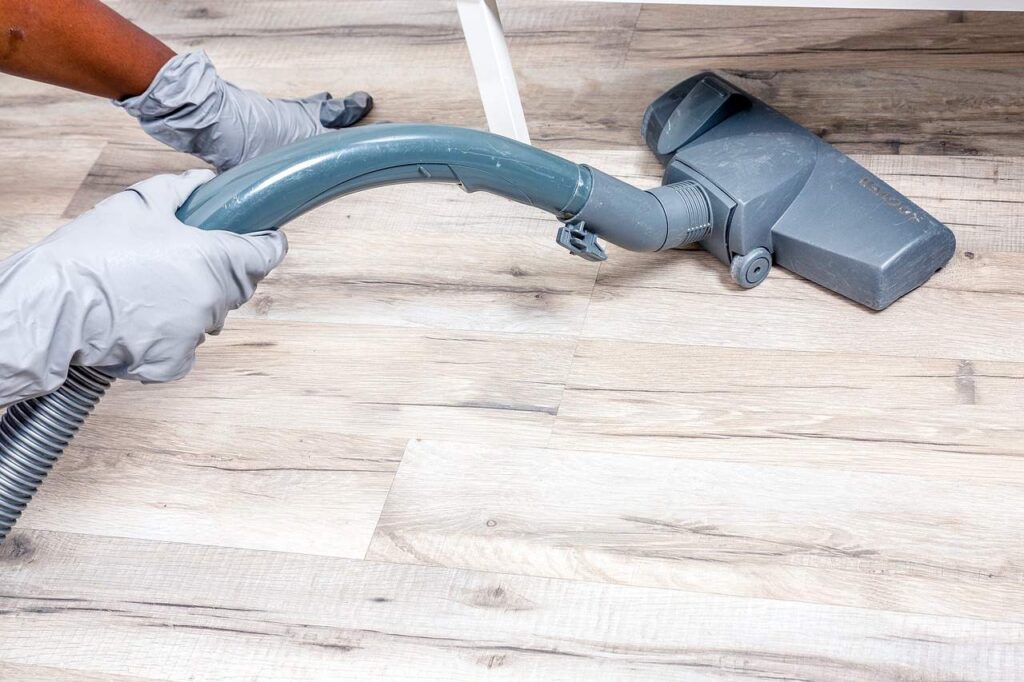
Maintaining cleanliness removes food sources for pests. Vacuuming eliminates flea eggs and larvae. Safe and effective prevention.
Precautions During Pest Control Treatment
Essential steps to protect pets
Tell your pest control company about pets: Inform professionals before treatment. They’ll use pet-safe products and take extra precautions.
Confine pets during treatment: Keep dogs and cats in carriers or separate rooms away from treatment areas.
Remove food and water bowls: Chemical overspray can land on bowls and be ingested by pets.
Remove pet toys and bedding: Store them away from treatment areas. Chemicals can contaminate these items.
Cover bird cages and fish tanks: Birds and fish are especially sensitive to airborne chemicals.
Ensure good ventilation: Open windows and use fans to disperse fumes after treatment.
Keep pets away from treated areas: Wait until surfaces dry completely before allowing pets back in treated rooms.
Clean paws and coat: Bathe your pet after outdoor treatment to remove chemicals from fur.
Which Pets Are Most Vulnerable?
Cats
Most sensitive to chemical pesticides. Even small amounts can cause serious reactions. Avoid pyrethroid-based products on or near cats.
Small dogs
Smaller body weight means higher chemical concentration. Exposure through skin contact or ingestion is more dangerous in small breeds.
Birds
Extremely sensitive to airborne chemicals. Respiratory systems easily damaged by fumes. Cover cages during all indoor treatments.
Fish
Cannot escape chemical-contaminated water. Even tiny amounts of pesticides in water can be fatal. Cover tanks completely.
Puppies and kittens
Young animals have developing immune systems. More susceptible to chemical poisoning. Extra care needed for juvenile pets.
Elderly pets
Older pets have weaker systems. Cannot process chemicals as effectively. Require careful protection from exposure.
Signs of Pesticide Poisoning in Pets
Recognize these symptoms if your pet is exposed to toxic chemicals:
Excessive salivation or drooling
Vomiting or diarrhea
Tremors or muscle twitching
Unusual urination or defecation
Seizures or convulsions
Difficulty breathing or shortness of breath
Loss of coordination or unsteady movement
Extreme lethargy or unconsciousness
Pupil dilation or eye changes
Rapid heart rate
If you notice any of these signs, contact a veterinarian immediately. Pesticide poisoning requires urgent medical attention.
Working With Professional Pest Control
Questions to ask
Ask pest control companies these questions before treatment:
What products will you use?
Are they safe around pets?
What precautions do you take?
How long before pets can return?
Do you have experience with pet-safe treatment?
Best practices
Pest control today is safer than ever. Yet, you can ensure your pets’ safety when pest extermination happens by doing a few things. Choose professionals who prioritize pet safety.
Look for companies offering pet-friendly guarantees or certifications.
Frequently Asked Questions
Is all pest control dangerous for pets?
No. Modern pest control can be both safe and effective around pets. The key is using pet-safe products and taking proper precautions. Professional companies trained in pet safety can treat your home without harming your animals.
Can fleas spread disease to my pet?
Yes. Fleas carry parasites and bacteria. Fleas commonly cause tapeworm (an intestinal worm) infections and skin disease (flea allergy dermatitis), and even anaemia in both dogs and cats. Preventing fleas protects your pet’s health.
How long should my pet stay away from treated areas?
Wait until surfaces are completely dry before allowing pets back. Usually 2-4 hours for indoor treatments. Outdoor areas may dry faster depending on weather. Ask your pest control professional for specific timing.
Can I use human insect repellent on my pet?
No. Products designed for humans often contain DEET or other ingredients toxic to pets. Use only pet-safe flea and tick products recommended by your veterinarian.
What should I do if my pet is exposed to pesticides?
Contact your veterinarian or animal poison control immediately. Bring product labels with you. Describe symptoms your pet is showing. Time is critical in pesticide poisoning cases.
Effective pest control doesn’t mean exposing your pets to harmful chemicals. Choose pet-safe options and work with professionals who care about your animals.
House Flies in Singapore Food contamination, disease transmission, and professional elimination House Flies: Kitchen Contamination Risk House flies in Singapore are common in kitchens and food preparation areas. These insects contaminate food with bacteria and disease-causing organisms. Unlike mosquitoes (seasonal) or cockroaches (hiding), house flies are visible pests that land on food and […]
House Fly vs Fruit Fly Identification GreenCare Pest Control Singapore | Quick Visual Guide & Professional Control QUICK ANSWER: House flies are 8mm, gray-black, breed in garbage/drains. Fruit flies are 3-4mm, yellowish-tan, breed on fermenting fruit. Both transmit disease. Professional elimination required for health safety. Flying insects in your kitchen? Identifying whether you […]
Dengue Mosquito Control in Singapore Identification, breeding prevention, and professional elimination for dengue fever protection Dengue Mosquitoes: A Critical Health Risk in Singapore Dengue fever in Singapore is transmitted by Aedes mosquitoes. These small insects breed in stagnant water and spread rapidly in urban environments. Unlike other mosquitoes, Aedes mosquitoes are active during day […]
Get A Free Estimate Or Quote
Get a quick, no-obligation quote from
Greencare. A specialist will contact you as soon
as
possible. Or You May Call Us: