Professional identification, safety protocols, and expert nest elimination
A single hornet nest can house 700+ insects actively defending their territory. When dealing with aggressive stinging insects, professional hornet control Singapore services are essential for ensuring safety and preventing serious risks. Hornets are more aggressive than many other pests and can attack in groups when their nest is disturbed.DIY nest removal is extremely dangerous. Their stings are painful and may trigger severe allergic reactions, making expert removal the safest solution for homes and businesses. Professional identification, assessment, and safe treatment eliminate all risks.
Bees vs Wasps vs Hornets: Identification Matters
Honeybees
Body: Furry, round
Color: Golden-brown
Nest: Hexagonal wax honeycomb
Generally docile
Beneficial pollinators
Die after stinging
Selective removal only
Wasps
Body: Slim, narrow structure
Color: Black/yellow striped
Nest: Papery walls, umbrella shape
More aggressive than bees
Multiple stings possible
Sheltered nesting spots
Requires treatment
Hornets
Body: Largest wasp family member
Color: Black/white or brown
Nest: Large papery, football shape
Most aggressive species
Group attack behavior
Massive colonies (700+)
Professional removal mandatory
Critical difference: Bees, wasps and hornets all sting when disturbed. However wasps and hornets are capable of stinging the victim multiple times without dying. Learning to identify correctly the species of stinging insect in the nest is important because different species should be treated differently.
Hornet Nesting Patterns in Singapore: Where They Hide
Common nesting locations in Singapore homes and gardens
Sheltered eaves: A wasp nest is easily identified by its papery walls, built in sheltered spots such as wall cavities, roof spaces, sheds and garages.
Tree branches: Hornet nests are common in Singapore and are found in homes and gardens, as well as parks and public areas. Hornets typically build their nests in sheltered locations, such as tree branches, bushes, roof eaves, or even inside walls.
Outdoor structures: Sheds, garages, pergolas, fences provide shelter from weather and predators.
Nest construction: They build their nests from a paper-like material they create by chewing wood and mixing it with their saliva. These nests can become quite extensive, housing thousands of hornets.
High-risk locations: Roof-level nests create fall danger if DIY removal attempted.
Wasp & Hornet Sting Dangers: Health Risks & Anaphylaxis
Sting severity ranges from localized pain to life-threatening emergency
Immediate sting effects: Wasp stings cause intense, localized pain and swelling. Swelling typically peaks within 24-48 hours.
Multiple sting danger: Wasps, bees, and hornets’ stings contain venom and call for immediate medical help especially if they sting in sensitive areas like tongue, neck where there is a risk of suffocation. A wasp sting is usually harmless, but 30 to 40 stings are dangerous and could kill you.
Allergic reactions: Some people do develop allergic reactions to the venom stinger these flying insects deliver. Allergies can occur even after previous stings without reaction.
Anaphylaxis risk: Some people may have a severe allergic reaction to wasp sting known as Anaphylaxis which is fatal and calls for a medical emergency!
Anaphylaxis symptoms: Signs requiring emergency call: wheezing, swollen face, nausea or vomiting, fast heart rate, dizziness, difficulty swallowing, loss of consciousness, and drop in blood pressure. Death can result in as little as 10 minutes!
Unpredictable onset: Anaphylaxis risk is unpredictable. Many people who have never reacted to a sting before discover their allergy only during a mass attack — when it’s too late for precautions.
Why DIY Nest Removal is Extremely Dangerous
Multiple serious risks make professional removal essential
Risk #1 – Anaphylactic shock: Without adrenaline on hand and emergency backup, a DIY attempt can become a medical emergency within minutes. Mass attack during removal triggers allergic reaction discovered too late for treatment.
Risk #2 – Fall hazard: Roof-level access requires professional equipment. Attempting to reach a nest on multi-storey roof with ladder — while being stung and needing to retreat quickly — creates serious fall risk. Combination of falling + stinging + disorientation = critical injury.
Risk #3 – Mass attack response: Although a wasp nest is much smaller than a hornet nest, both species are considered dangerous and aggressive. Disturbing nest triggers colony-wide attack response with hundreds attacking simultaneously.
Risk #4 – Burning danger: Unlike honeybees (which can be temporarily calmed with smoke), hornets respond to heat and smoke as signals of fire — catastrophic threat. Their reaction is to surge out of the nest in force. Attempting to burn a nest is life-threatening and illegal in most Singapore urban settings.
Risk #5 – Incomplete removal: DIY removal typically misses eggs and pupae in nest structure. Surviving insects rebuild within days, requiring repeated attempts.
Professional Wasp & Hornet Nest Removal: Safe Treatment Methods
Nighttime Treatment Approach
Our effective strategy involves treating the nest at night when all workers and queen insects are home and are far less aggressive. This technique has proven to be the most effective in killing most of the insects.
All foraging insects return to nest
Reduced nocturnal activity
Entire colony vulnerable simultaneously
Single treatment kills 95%+ population
Direct Nest Treatment
Direct Nest Treatment applies a powerful, fast-acting insecticide dust or foam directly into the main entrance of the hive or nest, quickly neutralizing the adult population inside.
Foam/dust penetrates nest structure
Kills adult population rapidly
Residual effect kills emerging insects
Safe application methods used
Physical Nest Removal
Then the wasp nests are removed and the attached areas are treated as well so that wasps and hornets returning to nests contact the residual and die.
Complete nest structure removed
Prevents colony rebuilding
Residual treatment applied to area
Follow-up monitoring ensures no return
Ground Nesting Treatment
Ground-nesting wasps and hornets require specialized treatment. Ground nesting wasps live in burrows and they can be controlled by the application of insecticide dust inside the burrow.
Burrow entrance identification
Targeted dust application
Multiple treatment cycles needed
Prevention of re-colonization
Emergency Sting Response: Immediate Medical Action
Know these emergency signs requiring immediate medical help
Call ambulance/emergency immediately if: Wheezing, swollen face, nausea or vomiting, fast heart rate, dizziness, difficulty swallowing, loss of consciousness, or drop in blood pressure develops. Death can result in as little as 10 minutes with anaphylaxis.
Sensitive location stings: Call professional medical help especially if stung on tongue, neck where risk of suffocation exists.
First-time allergic reaction: Any symptoms beyond local swelling/pain after sting warrant immediate medical evaluation.
Pre-existing allergy: Carry EpiPen at all times if known wasp/hornet allergy. Administer immediately at first symptoms.
Preventing Wasp & Hornet Nesting: Habitat Modification
Reduce attractants and eliminate nesting sites
Remove flowering plants: Discourage attracting these stinging pests near to your home and areas frequented by people especially at lawns, sidewalks and doorways by keeping them free of flowering trees and shrubs. Flowers attract prey insects wasps hunt.
Seal entry points: Seal all cracks, holes, openings if found. Prevents wasps from entering wall cavities and roof spaces.
Secure garbage: Try to cover garbage cans with a lid. Exposed food attracts wasps and their prey insects.
Peppermint oil repellent: The smell of wasps and hornets hate the most is peppermint oil. Buy wasp control aerosol from local gardening store and spray it towards entrance.
Trim landscaping: Always trim the landscape plants away from the home. Reduces nesting habitat adjacent to living spaces.
Remove food sources: Keep outdoor dining areas clean. Remove pet food immediately after feeding. Cover compost bins.
Early detection: Regular inspection of eaves, roof spaces, wall cavities identifies developing nests before colony establishes.
Frequently Asked Questions
Can professional treatment happen during daytime?
While possible, nighttime treatment is most effective. Treating nest at night when all workers and queen insects are home and are far less aggressive has proven to be the most effective in killing most of the insects. Daytime treatment triggers full colony defense and greater danger to technician.
How long after treatment until nest is dead?
Initial insecticide application kills 95%+ of adult population within 24-48 hours. Physical nest removal prevents any colony rebuilding. Complete assurance typically achieved within 2-3 days. Follow-up monitoring confirms no return within 1-2 weeks.
Is it safe for children if hornet nest is nearby?
No. Hornets often build their nests in hidden or hard-to-reach areas such as rooftops, trees, wall cavities, attics, and outdoor structures. Children playing nearby risk accidental disturbance triggering attack. Immediate professional removal necessary if nest found on residential property.
What if I’m allergic to wasps or hornets?
Anaphylaxis risk is unpredictable — many people discover their allergy only during mass attack when it’s too late for precautions. If known allergy exists, carry EpiPen at all times and avoid areas with visible wasp/hornet activity. Hire professional immediately if nest found near home.
Professional Wasp & Hornet Nest Removal
Single hornet nest contains 700+ aggressively defensive insects. DIY removal risks anaphylactic shock, fall injuries, incomplete removal. Professional identification ensures correct species, nighttime treatment eliminates entire colony, safe equipment prevents all hazards. 30-40 wasp stings can be fatal. One allergic reaction can trigger anaphylaxis within 10 minutes. Professional removal is your only safe option.
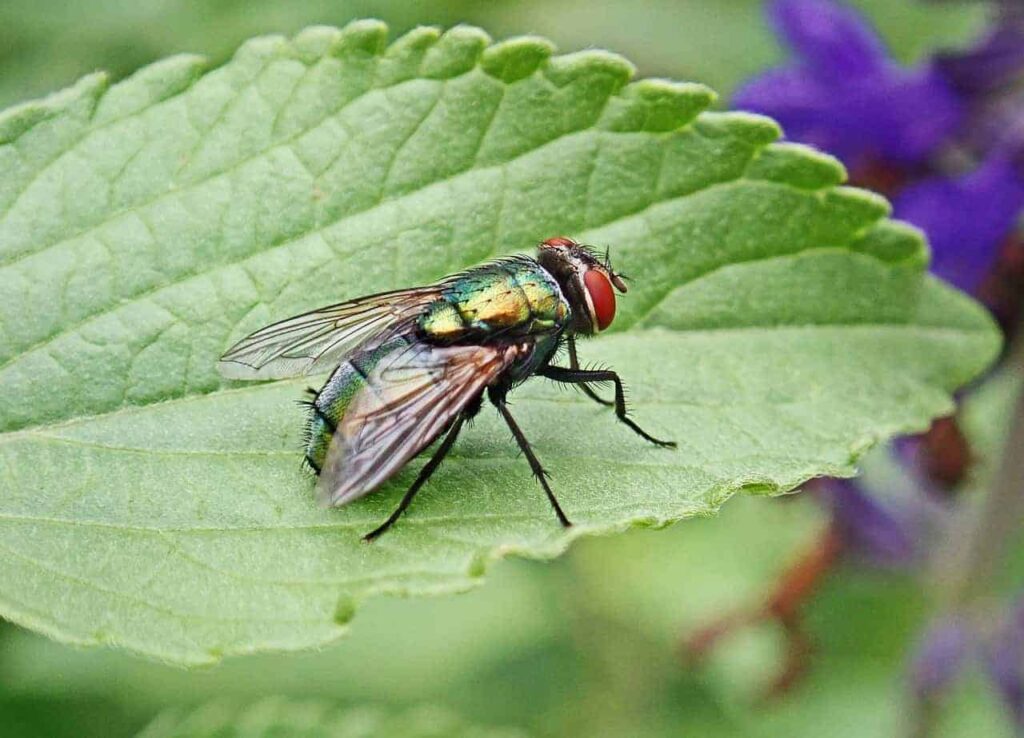
House Flies Pest Control Singapore Professional treatment, disease transmission, and breeding site elimination House flies are disease vectors, not just nuisances. Flies defecate every few minutes and an effective rate of reproduction produces an average of 75 to 100 fly babies within 24 hours, making infestation escalation extremely rapid. A single fly in […]
Pantry Pests Singapore Identification, food contamination prevention, and professional pest control Tiny insects in your rice or flour aren’t just a nuisance — they multiply explosively in Singapore’s tropical climate. Pantry pests like weevils, moths, and beetles don’t just contaminate your food – they multiply rapidly and can spread throughout your entire kitchen […]
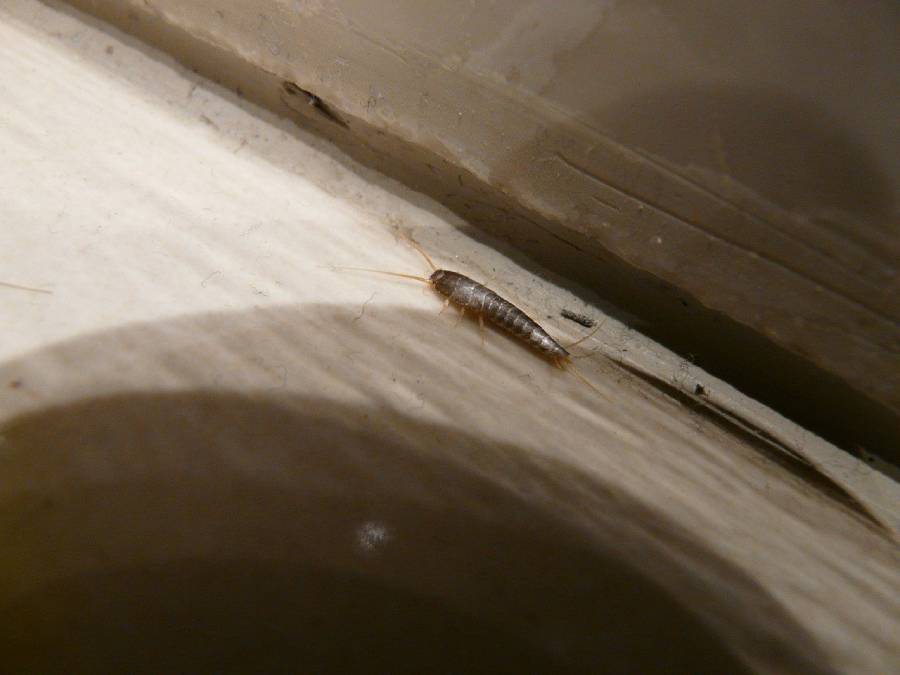
Silverfish Prevention & Control Singapore Humidity management, professional treatment, and valuable item protection Silverfish are silent destroyers of valuables. While they don’t bite or spread disease, they feed on irreplaceable items. Books, family photographs, important documents, and stored clothing are all at genuine risk.Silverfish are attracted to damp areas with 75% – 95% […]
Get A Free Estimate Or Quote
Get a quick, no-obligation quote from
Greencare. A specialist will contact you as soon
as
possible. Or You May Call Us: