Ant Infestation Singapore: Complete Control & Prevention Guide
Species Identification, Treatment Costs SGD $80-280, DIY Solutions & Professional Help
Why Ants Are Singapore’s Most Persistent Household Pest
Singapore is home to over 409 ant species (documented by Lee Kong Chian Natural History Museum), but only a handful invade homes. What makes ants so dangerous isn’t their bite—it’s their strategy. A single ant trail you see today represents a colony of thousands hidden nearby. They don’t work alone; they communicate through chemical signals, recruit nestmates, and establish superhighways into your kitchen within 48 hours.
The Singapore reality: Year-round warm temperatures (27-32°C) + 70-90% humidity = perfect breeding conditions. Unlike temperate climates where ants slow down seasonally, Singapore ants breed continuously. One queen can produce 1,000+ workers per month.
Cost reality: Professional treatment SGD $80-280 per visit. Ignoring the problem = food contamination, structural damage (carpenter ants), and HDB infestations spreading to neighbors.
🐜 Ant Species in Singapore: Which Type Are You Fighting?
Not all ants are the same. Different species require different treatment strategies. Misidentification = treatment failure.
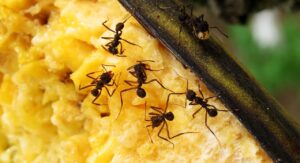
Black House Ant (Most Common)
Size: 3-5mm, shiny black Location: Kitchens, garbage bins, dark areas Behavior: Trails to food sources Threat: Food contamination Treatment: Gel baits very effective (ants carry poison back to nest)
Ghost Ant (Pharaoh Ant)
Size: 1.5-2mm, pale with dark abdomen Location: High-moisture areas (bathrooms, kitchens) Behavior: Multiple nesting sites (budding) Threat: Spreads quickly, hard to eliminate Treatment: Requires repeated visits (2-4 weeks)
Fire Ant (Aggressive)
Size: 3-6mm, reddish-brown Location: Outdoors more than indoors Behavior: Aggressive, painful stings Threat: Painful stings, property damage Treatment: Professional barrier treatment + baiting
Carpenter Ant (Destructive)
Size: 6-12mm (largest), black Location: Wood structures, indoors Behavior: Tunnel through wood (don’t eat it) Threat: Structural damage to wooden fixtures Treatment: Locate nests, targeted spraying + baits
Odorous House Ant (Sugar Ant)
Size: 2-3mm, dark brown Location: Kitchens, food sources Behavior: Attracted to sweet foods Threat: Food contamination Treatment: Remove food sources + gel baits
Pharaoh Ant (Most Difficult)
Size: 2mm, pale yellow Location: Warm, humid areas (medicine cabinets) Behavior: Forms supercolonies Threat: Spreads via budding Treatment: Requires 4-8 weeks + multiple visits
⚠️ Species Matters
Many homeowners spray visible ants thinking one treatment solves it. Wrong species = wrong treatment = ants return in 2-3 weeks. Professional inspection first = correct species ID = effective treatment. This is why 30% of DIY attempts fail.
🔍 Signs of Ant Infestation in Your Home
Visual Signs (What to Look For)
Visible ant trails: Thin line of ants marching across counters, walls, or baseboards. Usually leads to food source or entry point
Small piles of soil/sand: Near cracks, electrical outlets, window frames. Sign of nesting activity
Clustered ants: Groups gathered around food, especially sugar/sweets in kitchen
Dead ants on surfaces: Indicates they’re actively foraging indoors
Damaged food packaging: Ants can chew through paper/cardboard to reach contents
Smell & Sound Signs
Musty odor: Some species (odorous house ants) produce distinct smell when crushed
Scratching sounds in walls: Carpenter ants tunneling through wood (rare but serious)
Hidden Nest Signs (Colony Present)
Ants visible even after cleaning (means nest is nearby, not from outside)
Ants appearing in multiple rooms (established colony, not just passing through)
Ants visible during day (indicates large population, not just night foragers)
Repeating ant trails despite cleaning (same ants returning repeatedly)
Priority Areas to Inspect (HDB & Homes)
Kitchen: Counter edges, under appliances, inside cabinets, near sinks
Bathrooms: Under sinks, around pipes, shower areas (moisture attracts them)
Electrical outlets: Common entry points and nesting sites
Window frames/doors: Entry points from outside or neighbors (HDB)
Behind baseboards: Common nesting areas
Service yards/balconies: Gateway from outdoors into home
ℹ️ The “Few Ants” Myth
Seeing 5-10 ants doesn’t mean small infestation. Worker ants are only 1-3% of colony. If you see 10 workers, 300-1,000+ workers are hidden. Single ant trail = colony of thousands. Act immediately when you see first sign.
🔬 Professional Treatment Methods
1. Gel Baiting (Most Effective for Colony Elimination)
How it works: Non-repellent gel bait placed near ant trails. Worker ants carry poison back to nest. Entire colony dies over 4-7 days.
Why it’s effective: Ants don’t avoid bait (non-repellent). Colony queen gets poisoned. No spreading ants like with sprays.
Best for: All ant species, especially ghost ants and pharaoh ants.
Block coordination: Ants travel between units through shared pipes, walls, chutes. Single-unit treatment fails if neighbors infested
Rubbish chute: Common ant entry point. Keep area clean, wrap garbage tightly
Floor traps: Check for leaks, keep dry
Service yard: Ensure proper drainage, remove standing water
Natural Deterrents (Limited Effectiveness)
Cinnamon, peppermint, lemon juice: Can repel ants temporarily. Spray at entry points
Ant chalk: Physical barrier, but ants find ways around
Boric acid + sugar: DIY poison, but less effective than professional baits
Note: Natural methods only slow ants temporarily. Professional treatment needed for complete elimination
❓ Common Questions
Why do ants keep coming back after treatment? (1) Food/water sources still present, (2) Entry points not sealed, (3) Neighbors still have ants (HDB), (4) Missed hidden nests, (5) Only one treatment done (eggs not fully eliminated). Prevention + treatment = lasting results.
How long until ants are completely gone? Light infestation: 1-2 weeks. Moderate: 2-4 weeks. Severe/pharaoh ants: 4-8 weeks. Requires 2-3 professional visits spaced 2-4 weeks apart.
Are ants dangerous? Most ants don’t transmit diseases. But fire ants deliver painful stings. All ants contaminate food via bacteria on feet/body. Carpenter ants cause structural damage by tunneling wood.
Should I treat just my unit or organize block-wide treatment? HDB individual unit = 30% success (ants return from neighbors). Block-wide = 95% success. Costs more upfront but lasts longer. Worth coordinating with Town Council/neighbors.
Can I use DIY sprays instead of professional baits? DIY kills visible ants only. Professional non-repellent baits target entire colony. DIY success rate <30%. Professional >95%. Pay more upfront but avoid repeated treatments.
🐜 Ant Problem? Professional Treatment
Same-day inspection • Species identification • NEA-approved baits • Safe for kids/pets • HDB & condo experts • 1-year warranty
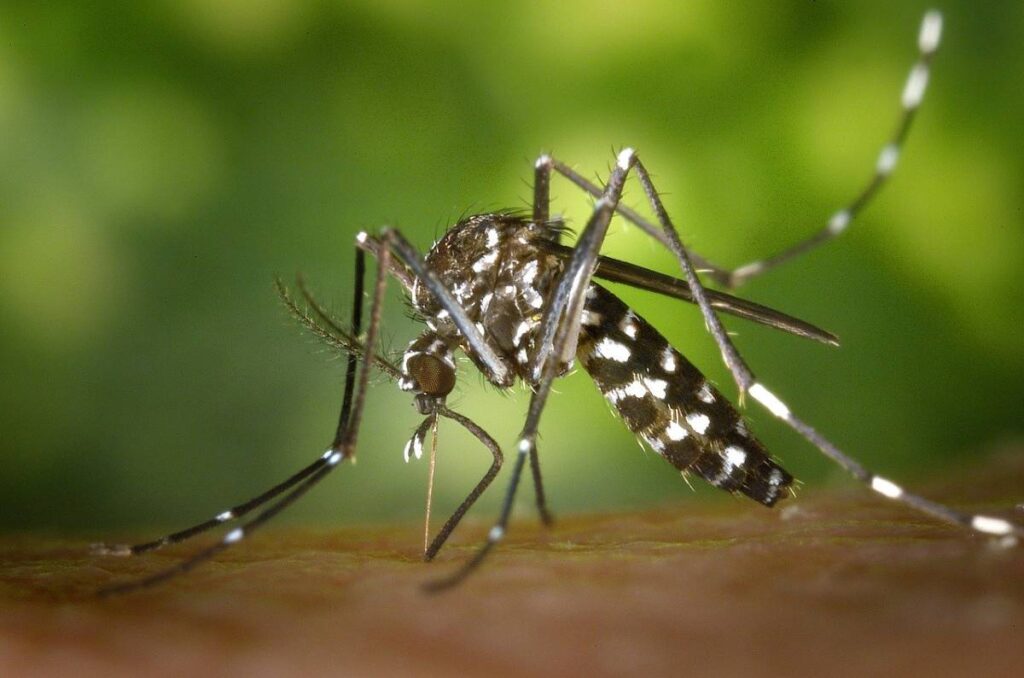
🦟 Mosquitoes Singapore March 2026: Dengue Season Peak & Wolbachia Control Rainy Weather Increasing Breeding, Wolbachia Reduces Cases 70%, Prevention B-L-O-C-K Singapore’s Perfect Storm for Mosquitoes: March 2026 Weather Report Current Conditions: Singapore is experiencing partly cloudy skies with temperatures hovering around 31°C (88°F) and high humidity levels. The critical factor: rain […]
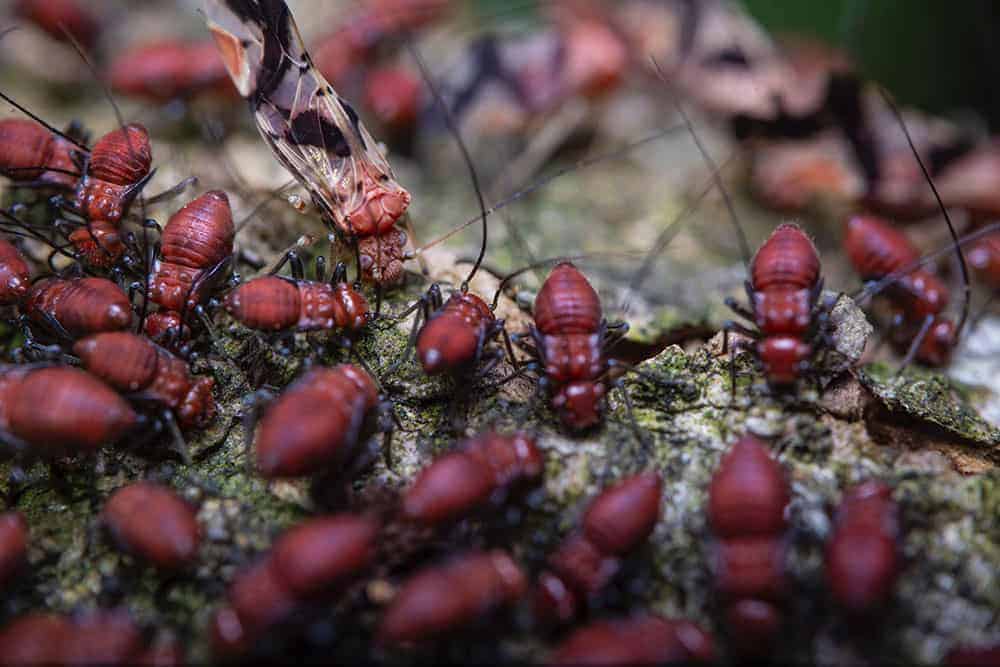
🪵 Termites (White Ants) in Singapore: Complete Control Guide Detection, Prevention, Treatment Costs & Protection for HDB, Condos & Landed Homes The Silent Destroyers: Why Termites Are Singapore’s Costliest Pest Termites—commonly called “white ants” in Singapore—are one of Asia’s most destructive pests. A single colony of 60,000 termites can consume a 2×4 […]
Fruit Flies in Singapore Explosive breeding, fermentation sites, and professional elimination Fruit Flies: A Kitchen Explosion Fruit fly infestations in Singapore explode rapidly. These tiny insects breed in 4-6 days, meaning populations double within a week. Unlike house flies (larger, slower breeding), fruit flies are almost invisible and breed in fermented fruits, drains, and […]
Get A Free Estimate Or Quote
Get a quick, no-obligation quote from
Greencare. A specialist will contact you as soon
as
possible. Or You May Call Us: