Why rodents are everywhere & professional control solutions
A recent viral video of a rat on Singapore’s East-West Line MRT grabbed public attention. But this incident represents a much larger problem affecting homes and businesses across the island.Singapore’s National Environment Agency reported nearly 5,400 rat burrows detected in the first half of 2025 — almost double last year’s count. Rodent infestation is no longer occasional. It’s a citywide crisis. If you’ve seen signs of rats in your home, your office, or your business, you’re experiencing the new normal for Singapore in 2026.
Why Rats Are Thriving in Singapore Now
The factors causing explosive rodent population growth
Year-round warm climate: Singapore’s year-round warmth and humidity make it one of the most pest-friendly environments on the planet. Rats breed continuously without seasonal breaks.
Rapid reproduction: One queen can produce 1,000+ workers per month. A single breeding pair becomes 100,000 in 6 months under ideal conditions.
Temperature supports breeding: 27-32°C year-round eliminates dormant seasons. Rats never stop reproducing.
Construction disruption: Urban development displaces rats from natural habitats into human buildings.
Infrastructure gaps: Pipes, drains, and building cracks create thousands of entry points. Rats easily access homes through gaps.
Health Risks From Singapore Rodents
42.4% of Singapore rodents carry Leptospira spp., 35.5% carry Seoul hantavirus, and 32.2% carry Rickettsia typhi. These aren’t just household pests. They’re disease vectors.
Leptospirosis
Causes fever, myalgia, headache, thrombocytopenia, and can lead to kidney failure and jaundice. Spread through urine contact. Fatal if untreated.
Seoul Hantavirus
Causes hemorrhagic fever with symptoms including high fever, myalgia, headache, and thrombocytopenia. Mortality rate 1-5%. No vaccine available.
Rickettsia Typhi
Murine typhus causes non-specific symptoms including fever, myalgia, and rash. Spread by infected flea feces from rats. Treatable with antibiotics.
Property damage
Rats chew through electrical wires, water pipes, insulation, and wooden structures. Damage costs thousands to repair.
Signs of Rat Infestation in Your Home
Early detection prevents full infestation. Look for these warning signs:
Droppings
Small dark pellets (size of grain of rice) along walls, in cupboards, or under furniture. Fresh droppings indicate active infestation.
Gnaw marks
Chewed cardboard, plastic, or wood. Marks around food packages or furniture edges. Fresh marks are lighter colored.
Scratching sounds
Nocturnal activity noise in walls, ceilings, or under floors. Most obvious at night when rats are active.
Musty odor
Strong ammonia smell from urine accumulation. Concentrated in areas where rats nest or travel frequently.
Grease smears
Dark greasy marks along walls and baseboards. Rats follow same routes repeatedly, leaving fur marks.
Nesting material
Shredded paper, cloth, or insulation in corners or under furniture. Sign of active breeding and nesting.
How Rats Enter Your Home
Common entry points and vulnerabilities
Gaps around pipes: Where utility pipes enter building. Easy access for rat gnawing.
Cracks in walls: Even small fissures become entry points. Rats chew larger openings.
Door and window gaps: Daylight visible under doors means rodent access. Weather stripping deteriorates over time.
Missing the nest: Specialists locate nests in cracks and crevices. DIY can’t find hidden nesting areas.
No entry point sealing: Poison kills individual rats but doesn’t block how they entered. New rats return.
Poisoned rats die in walls: Dead rodents in inaccessible areas create foul odors lasting weeks.
Rapid population rebound: Within days of DIY treatment, population regrows from hidden survivors.
Poison dangers: Risk to pets, children, and non-target animals. Secondary poisoning from predators.
Professional Rodent Control Solutions
Comprehensive inspection
Professionals identify the type of rats, extent of infestation, and locate nest locations. Complete property assessment including attic, crawlspace, and yard.
Entry point sealing
Sealing gaps and cracks prevents re-entry. Permanent barriers using rodent-proof materials at all identified vulnerabilities.
Baiting strategy
Targeted bait placement in high-activity areas. Professional-grade baits target entire colony including hidden populations.
Nest treatment
Treating nesting areas with proper solutions ends infestation. Eliminates breeding source and hidden rat populations.
Monitoring system
Professional placement of traps and monitoring devices tracks population reduction. Adjustments made as needed for complete elimination.
Follow-up visits
Initial treatment followed by 2-3 visits spaced 2-4 weeks apart. Ensures all life stages are eliminated and no reinfestation occurs.
Prevention: Keeping Rats Out Permanently
Remove food sources
Store food in sealed containers. Clean spills immediately. Remove pet food before bed. Secure garbage in sealed bins.
Eliminate water access
Fix dripping pipes. Remove standing water. Dry sink areas. Rats need water daily. Denying access reduces attraction.
Reduce clutter
Remove piles of cardboard, paper, and stored items. Rats hide in clutter. Regular cleaning removes nesting materials.
Trim vegetation
Cut tree branches away from roof and walls. Remove fallen fruit. Keep grass short. Eliminate brush piles where rats hide.
Maintain building
Repair cracks in walls and foundation. Fix door and window gaps. Maintain weather stripping. Regular maintenance prevents rat access.
Professional monitoring
Quarterly professional inspections catch early signs. Preventive treatment stops infestations before they explode.
Treatment Timeline: How Long Until Rats Are Gone?
Light infestation
Initial professional treatment. One follow-up visit 2 weeks later. Complete elimination 2-3 weeks total.
Moderate infestation
Initial visit plus 2 follow-up treatments spaced 2 weeks apart. Complete control 4-6 weeks total.
Severe infestation
Multiple treatment visits over 6-8 weeks. Intensive baiting, sealing, and monitoring until zero activity confirmed.
Ongoing prevention
Monthly monitoring for 3 months. Quarterly inspections for 6 months. Annual prevention treatment maintains rat-free status.
Frequently Asked Questions
How fast do rat populations grow in Singapore?
One queen produces 1,000+ workers monthly. Population doubles every 3 months under ideal Singapore conditions. Infestation explodes rapidly if untreated.
Can I get rid of rats without professional help?
To get rid of ants permanently, it requires both housekeeping and proofing efforts together with pest control services. Same applies to rats. DIY alone rarely succeeds. Professional assessment is essential.
How much does professional rodent treatment cost?
Cost depends on infestation severity and property size. Initial inspection is affordable. Full treatment packages range based on required visits and entry point sealing. Most find it reasonable vs property damage from rats.
Is rodent treatment safe for pets and children?
Professional treatments use pet-safe products when requested. Inform technician of pets/children. Timing can be coordinated to minimize exposure. Always safer than DIY poison around family.
What if rats return after treatment?
Professional services typically offer guarantees. If rats reappear within guaranteed period, follow-up treatment is provided. Entry points must stay sealed to prevent reinfestation.
Stop Singapore’s Rodent Crisis in Your Home
5,400 rat burrows detected. Populations exploding. Health risks are real. Professional rodent control stops infestation immediately. Sealing prevents return. Peace of mind restored.
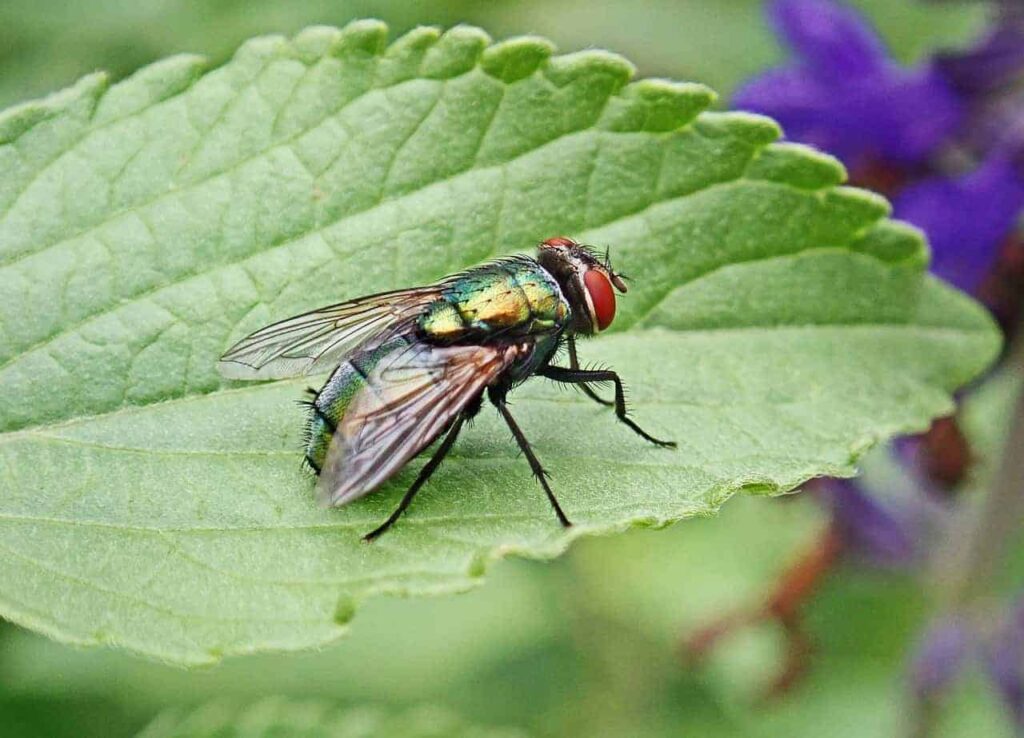
House Flies Pest Control Singapore Professional treatment, disease transmission, and breeding site elimination House flies are disease vectors, not just nuisances. Flies defecate every few minutes and an effective rate of reproduction produces an average of 75 to 100 fly babies within 24 hours, making infestation escalation extremely rapid. A single fly in […]
Pantry Pests Singapore Identification, food contamination prevention, and professional pest control Tiny insects in your rice or flour aren’t just a nuisance — they multiply explosively in Singapore’s tropical climate. Pantry pests like weevils, moths, and beetles don’t just contaminate your food – they multiply rapidly and can spread throughout your entire kitchen […]
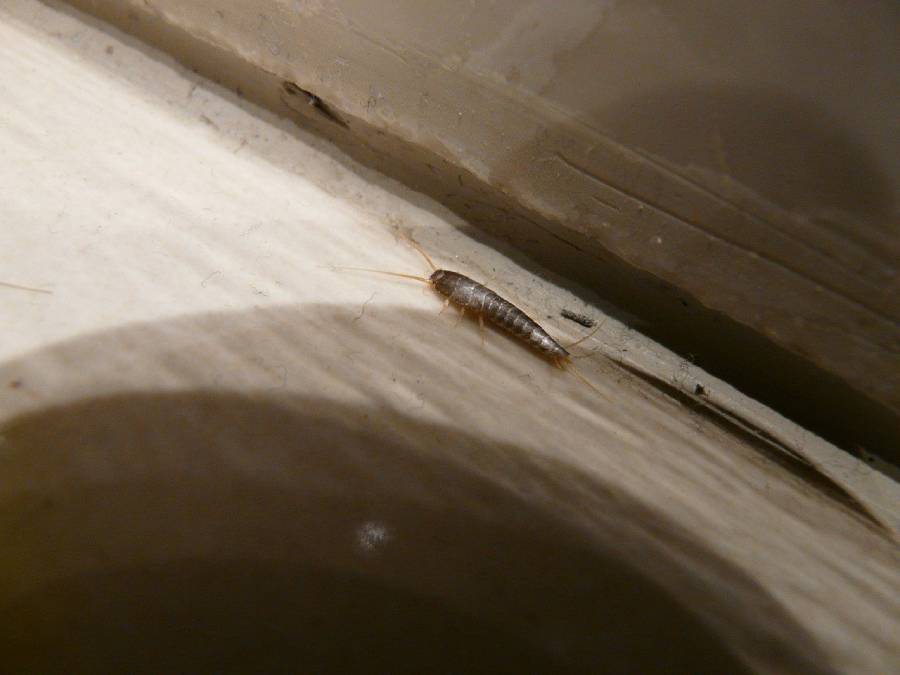
Silverfish Prevention & Control Singapore Humidity management, professional treatment, and valuable item protection Silverfish are silent destroyers of valuables. While they don’t bite or spread disease, they feed on irreplaceable items. Books, family photographs, important documents, and stored clothing are all at genuine risk.Silverfish are attracted to damp areas with 75% – 95% […]
Get A Free Estimate Or Quote
Get a quick, no-obligation quote from
Greencare. A specialist will contact you as soon
as
possible. Or You May Call Us: