Professional treatment, disease transmission, and breeding site elimination
House flies are disease vectors, not just nuisances. Flies defecate every few minutes and an effective rate of reproduction produces an average of 75 to 100 fly babies within 24 hours, making infestation escalation extremely rapid. A single fly in your home today = hundreds tomorrow.Flies are dangerous pests because they disperse disease-causing organisms into our food by vomiting and dropping faecal matter. With flies defecating every few minutes, a fly-infestation can get out of control too quickly. Professional pest control targets breeding sites, not just visible flies.
How House Flies Transmit Disease
Flies land on contamination, then land on your food
Disease vector process: Flies hold food in their sense of smell to locate food. They feed on garbage, waste, excrement from humans, dung and rotting items. Every contaminated surface they land on gets tracked to your kitchen.
Fecal transmission: Flies disperse these pathogens into our food by vomiting and dropping faecal matter. Flies regurgitate stomach contents and defecate on food, food-contact surfaces, and food preparation areas.
Diseases carried: Houseflies are carriers of various food-borne diseases like salmonellosis, cholera, typhoid, and dysentery. Each disease causes serious illness requiring hospitalization.
Frequency of contamination: Flies defecate every few minutes, meaning each fly visit deposits multiple disease doses on surfaces.
Multiple pathogens: Single fly can carry dozens of disease organisms simultaneously on body, legs, and mouthparts.
Food contamination risk: Flies are attracted to and can contaminate garbage, waste, excrement, and rotting items. Any fly in your kitchen likely carries pathogens from waste sources.
House Fly Rapid Reproduction: Why Infestations Explode
Hour 0-12: Egg Laying
Female fly lands on suitable breeding source (garbage, organic waste, drain). Lays 50-150 eggs in clusters. Eggs are barely visible, easily missed during DIY cleanup.
Hour 12-24: Larval Hatch & Growth
The most obvious sign of fly infestation is the presence of creamy-white maggots about 6mm long on garbage or manure. Larvae begin feeding immediately, growing rapidly in warm Singapore climate.
Day 3-5: Pupae Stage
Larvae burrow into substrate or nearby crevices to pupate. This protected stage makes them invisible to cleaning efforts and insecticides. Pupae resistant to most DIY treatments.
Day 7-9: Adult Emergence
An effective rate of reproduction produces an average of 75 to 100 fly babies within 24 hours. Each mated female produces this number repeatedly. Single fly → 75+ flies in one week → thousands in two weeks.
Complete lifecycle in tropical Singapore: 7-10 days. Breeding continues year-round due to consistent warm temperatures. Professional intervention required to break this cycle.
Fly Breeding Sites: Where Professional Inspection Identifies Problems
Common breeding sources in Singapore homes and food establishments
Garbage bins: Flies are drawn to garbage, waste, excrement. Strong or unpleasant odours from decaying organic matter can attract flies and support breeding. Bins with accumulated liquids ideal breeding environment.
Drain systems: Blocked drains with organic debris accumulation. Kitchen sink traps, shower drains, floor drains in bathrooms. Invisible to homeowners but major fly sources.
Waste disposal chutes: Multi-unit buildings (HDB, condos) have communal chutes where garbage compressed and ferments. Ideal fly breeding environment.
Compost areas: Gardens with composting or organic waste accumulation. Extremely high fly population attraction.
Food storage areas: Spilled food particles under appliances, behind counters. Dried fruit, crumbs in pantries attract and support fly breeding.
Pet waste areas: Uncovered pet litter boxes or outdoor pet waste. Flies exploit this readily.
Decaying organic matter: Blocked drains, or poorly managed waste can attract flies and support breeding. Dead plants, stagnant water, food residue anywhere.
Hidden problem areas: Professional fly pest control works by first identifying species present, then locating active breeding sites where they lay eggs. Only professional inspection finds these hidden locations.
Professional House Fly Pest Control Treatment Methods
Breeding Site Treatment
Professional treatment begins by identifying species present, locating where they breed, then combines targeted treatment with sanitation. Technician applies larvicides directly to breeding sites (drains, waste areas).
Drain treatment with approved larvicides
Waste chute treatment
Garbage area sanitation
Organic debris removal
Residual Spray Application
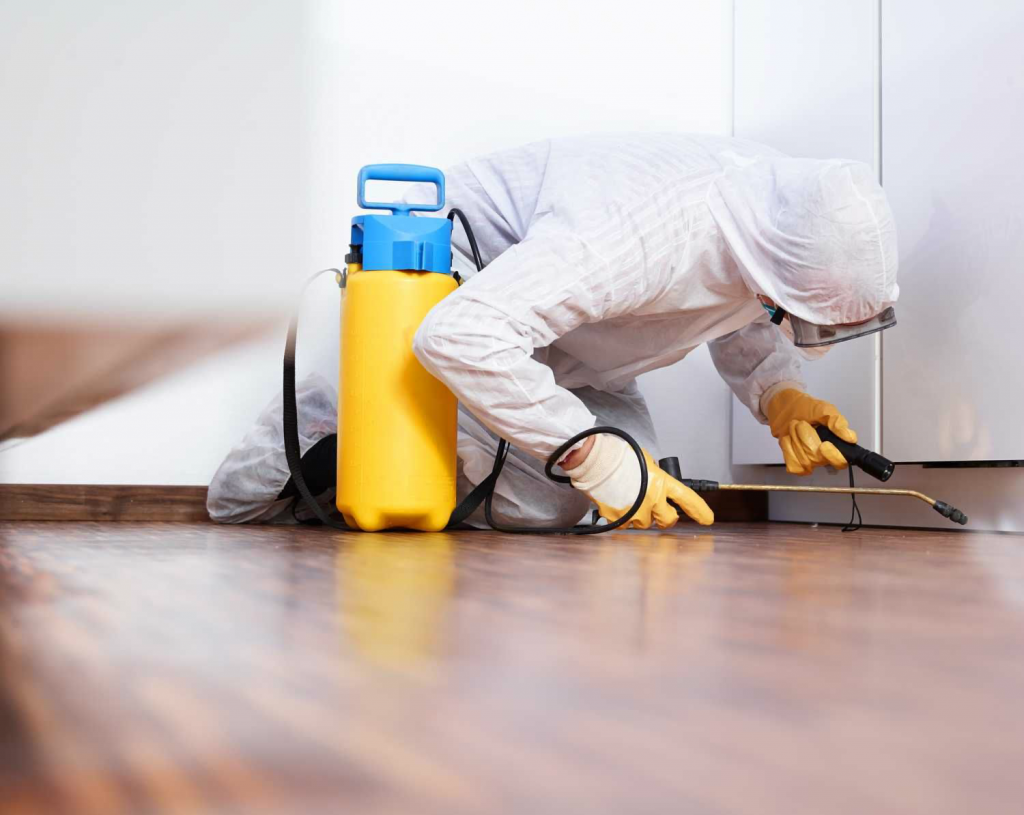
Residual sprays handle fly resting zones, refuse chutes and shared waste areas. Professional applies approved NEA-registered insecticides to interior walls, windows, and exterior fly landing spots.
Interior resting surface treatment
Exterior perimeter application
Long-lasting protective barrier
Requires 60-90 day reapplication
UV Fly Trap Installation
Such flies are attracted by the use of UV light in the insect fly trap and stuck on a sticky surface. With the best fly pest coverage, a suitable fly trap model must be used according to the area model of your premise. Traps monitor population and catch remaining flies.
Strategic placement in food areas
Glue board replacement weekly
Population trend monitoring
Early warning system
Sanitation & Hygiene Plan
Technician recommends sanitation improvements and structural adjustments that help reduce fly pressure over longer term. Professional creates custom sanitation protocol specific to property conditions.
Bin management recommendations
Drain cleaning schedule
Spill response procedures
Waste disposal protocols
Signs of House Fly Infestation: When to Call Professional Pest Control
Indicators requiring immediate professional intervention
Visible fly activity: Constant buzzing, repeated fly sightings, or difficulty keeping flies away despite cleaning efforts often points to ongoing infestation requiring professional pest control.
Fly specks on surfaces: In heavy infestation, deposits of saliva and faecal material (fly specks) can often be seen on walls and surfaces where the flies rest. These spots indicate established population.
Maggots visible: The presence of creamy-white maggots about 6mm long on garbage or manure are the most obvious sign of an established fly infestation. Indicates breeding already occurring.
Odor problems: Strong or unpleasant odours from decaying organic matter, blocked drains, or poorly managed waste can attract flies. Indicates breeding sources present.
Food preparation areas affected: Flies in kitchen or dining areas represent immediate food contamination risk and health hazard.
Cannot locate source: Can’t seem to find the source of the flies buzzing in your home? Professional pest control will identify and eliminate them.
Professional fly pest control uses NEA-approved products that are applied by trained technicians. Treatments are suitable for homes, food establishments, and commercial environments.
Visible fly prohibition: Food establishments (restaurants, hawker stalls, food courts) cannot have visible fly activity during inspections. Single violation noted in inspection records.
Audit documentation: Document all sanitation activities, including gaps in cleaning records, as these can be as damaging during an audit as the pest activity itself. Professional fly control provides compliance documentation.
IPM approach required: IPM approach combines cultural, physical, and chemical controls in sequence that reduces reliance on reactive treatment. SFA/NEA increasingly require integrated approach.
Scheduled maintenance: Each treatment plan is tailored to property type, fly species present, and level of infestation. Food establishments need ongoing preventive program, not one-time treatment.
Professional treatment necessity: Once fly activity established, fastest way to eliminate them in commercial facility is targeted professional treatment focused on breeding source. DIY approaches inadequate for compliance.
DIY Prevention vs Professional Treatment
What you can do + what professionals must do
DIY sanitation (essential but insufficient): Good housekeeping habits and sanitation help reduce fly attraction. Hold doors shut, don’t leave water pails with food particles, keep place clean and dry, ensure sufficient sanitation. These reduce breeding but don’t eliminate existing populations.
Professional necessity: No spray, bait or fly unit holds up for long if there’s still a warm, wet food source for flies to breed in. Most durable results come from pairing treatment with tighter cleaning and waste routine.
Professional access: Professional identifies exact breeding locations, applies targeted larvicides, installs monitoring traps, provides follow-up verification. Professional treatment + improved sanitation = complete elimination.
Timeline difference: DIY approach: weeks of ongoing problems with partial results. Professional approach: significant improvement within 3-5 days, complete elimination within 2-3 weeks with proper sanitation partnership.
Frequently Asked Questions
Is professional fly pest control safe for food areas?
Professional fly pest control uses NEA-approved products that are applied by trained technicians. When used correctly, treatments pose minimal risk to children and pets, and safety instructions are provided. Professional treatments for food establishments follow strict safety protocols.
How long does it take to eliminate a fly infestation?
Professional fly pest control begins with detailed inspection identifying species and breeding sites. Initial treatment takes 1-2 weeks for visible improvement. Complete elimination typically 2-4 weeks with follow-up visits. Ongoing maintenance prevents recurrence.
Why can’t I just clean my way out of a fly problem?
No spray or fly unit holds up for long if warm, wet food source for flies to breed exists. A dripping bin, unwashed floor trap, or fruit left out will out-produce any treatment. Professional treatment identifies hidden breeding sources cleaning alone cannot reach (blocked drains, internal waste systems).
What’s the difference between house flies, fruit flies, and drain flies?
Each fly type has completely different breeding requirements. Fruit fly infestation in bar, bluebottle problem in warehouse, and drain fly issue in kitchen each demand different combination of methods. Professional assessment identifies exact species requiring species-specific treatment.
Professional House Fly Pest Control Assessment
House flies breed in hidden sources (blocked drains, waste chutes, garbage) at 75-100 offspring per fly daily. DIY cleanup misses breeding sites. Professional inspection identifies exact breeding locations, applies targeted treatment, and creates sanitation plan. Food establishments require compliance documentation. Get professional assessment today.
Pantry Pests Singapore Identification, food contamination prevention, and professional pest control Tiny insects in your rice or flour aren’t just a nuisance — they multiply explosively in Singapore’s tropical climate. Pantry pests like weevils, moths, and beetles don’t just contaminate your food – they multiply rapidly and can spread throughout your entire kitchen […]
Silverfish Prevention & Control Singapore Humidity management, professional treatment, and valuable item protection Silverfish are silent destroyers of valuables. While they don’t bite or spread disease, they feed on irreplaceable items. Books, family photographs, important documents, and stored clothing are all at genuine risk.Silverfish are attracted to damp areas with 75% – 95% […]
Professional Spider Pest Control Singapore Expert inspection, treatment methods, and comprehensive elimination strategies Spider infestations develop quickly and hide in plain sight. Rapid reproductive cycles allow a single egg sac to hatch hundreds of spiderlings at once, which can turn a minor sighting into a full-scale infestation very quickly. DIY removal only addresses […]
Get A Free Estimate Or Quote
Get a quick, no-obligation quote from
Greencare. A specialist will contact you as soon
as
possible. Or You May Call Us: