

One of the most common and potentially dangerous pests in Singapore is the tick. Due to their notoriety, you probably have heard quite an array of facts about them. They are blood-sucking creatures, and they especially seek out mammals including humans.
Ticks in Singapore are found in wooded areas around homes and in gardens. They thrive in its humid climates where they lay eggs all year round on blades of grass and low-growing plants. With a few precautions, you can reduce your risk of exposure to ticks.
Why do ticks in Singapore latch to both humans and pets?
Ticks feed on the blood of warm-blooded creatures, such as mammals, birds and human beings. They get onto a host by trying to find them based on the carbon dioxide they breath out.
Not all Singapore tick bites are going to result in infection. But, the sheer number of disease-causing germs delivered by these pests underscores the importance of taking preventive measures. Some of the most serious diseases they can transmit are Lyme disease, tick-borne relapsing fever (TBRF), and Rocky Mountain spotted fever (RMSF).
Ticks can likewise affect you differently. When they make your dogs sick, it can affect you emotionally and lead to high medical costs.
What are the most common species of ticks in Singapore?
The most common species in Singapore is Rhipicephalus sanguineus, also known as the Brown Dog tick. Males rarely reach as much as 3 mm in length, whereas the females can grow up to 10-12 mm long after feeding.
Similar to the flea, tick females are parasitic and live off the blood exuded by the host. Ticks also undergo a cycle with four stages, which can last up to three years. This is because they require a host in which to feed as a means to complete the development of one stage to the next.
In Singapore, ticks are known to carry parasites such as Ehrlichia and Babesia that affect the health of your pet. These can cause life-threatening diseases such as tick fever and immune-mediated haemolytic anaemia- a condition that requires blood transfusions.
Fortunately, the brown dog tick, which is the most common species of ticks in Singapore, is not known to be an important carrier of disease in humans, as in other parts of the world.
How to protect from tick bites?
There is no guaranteed method to prevent disease brought on by ticks. Protection should be observed at all times.
1. Protect yourself
Wear light or bright-colored pants to spot ticks easily. Apply tick repellent on your skin before going outside. Do a check for ticks when you come in and use a tick removal tool to get rid of any ticks you come across. Prompt removal might stop the spread of illness from tick to person.
2. Protect your pet
Get a vaccine against certain ticks. Collars, powers, sprays, and medications can make your dog less appealing to ticks. Create a safe area for your pets to play in so that they can avoid your surroundings and your neighborhood. Check your dogs and cats regularly for ticks, particularly in their ears and in between their toes.
3. Control tick population
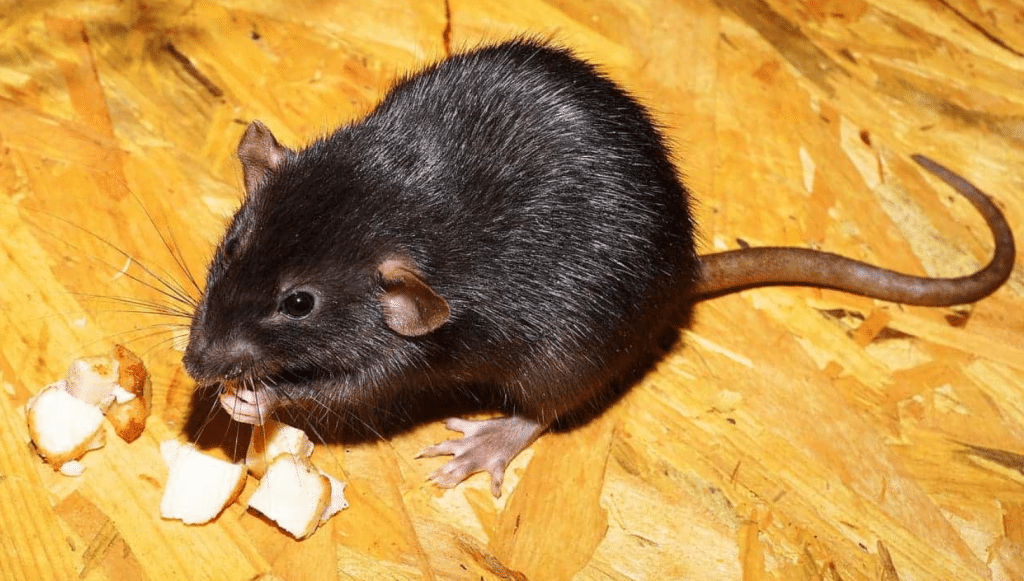
Reduce shade and moisture around your house to impede conditions that support tick survival and growth on your land. Rodents can carry ticks inside your home so seal any holes where they can enter. If they’re already in the house, invest on a tick treatment or rodent control from a professional pest control service in Singapore.
Also read: How Often Should You Call For Professional Pest Control?
Conclusion
In conclusion, ticks in Singapore are a real and present danger for unprotected families. As such, we encourage you to be proactive and take all necessary steps to protect your home and loved ones from this potentially deadly pest. For ticks infestation advice and consultation, call us at 6970 0205!