

Are you one of the many pet owners who think their furry friends keep them pest-free? Maybe you’re not so sure. Pets can bring fleas, ticks, and other pests into your home. These pests can then spread disease to your pets and even to you. If you are concerned about the risk of pest infestation in your home, it is important to take action to prevent them.
There are two ways that your pet can cause pest issues in your home. One, they can drag in unwelcome visitors after being let outdoors. And two, their food can attract hungry pests. To know how you can prevent pest infestation, then keep reading!
What bugs can your pets carry and cause pest infestation?
If your pet cat or dog are allowed to go outdoors, they are likely to bring pests into your home. These can be from the bird that your cat captured outside or in your dog’s fur.
The common pests they can bring in include:
- Fleas
- Ticks
- Cockroaches
- Spiders
- Mosquitoes
- Rodents
- Stinging pests
- Birds and other wildlife
How do pets increase the risk for pest issues?
Many pet owners give more food to their pets than they can consume in one meal. This is because they think that when pets get hungry, they can just eat at any time. But leaving out food attracts bugs and rodents too.
However, it’s not just pet food that draws in pests. Pet feces can be food for rodents, ants, flies, and cockroaches. To prevent pest infestation, here are some steps you can do:
- Keep to a feeding schedule and put leftover food away at all times.
- Use bug-proof bowls when feeding pets.
- Clean up spilled food and sweep up the feeding area after every meal.
- Store pet food in airtight containers that pests can’t break into.
- Pick up pet feces as often as possible.
What to do when there are signs of pest infestation?
If you have noted that there is an increase in the presence of pests inside and outside your home, you might want to take measures to control them yourself. These could be with either natural pest control methods or using commercial pest control products.
When applying repellents, bug traps, and insecticides yourself, the people and animals in your household could be at risk. This is because even natural pest control products found on the market are still toxic to animals.
Read also: What You Need to Know About Chemical Pest Control
Diatomaceous Earth could be harmless to children and animals but this will not resolve all your pest problems. This abrasive powder is only effective in eradicating insects but not rodents and other pests.
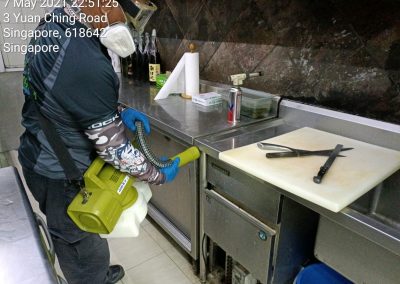
To completely get rid of harmful pests, you should hire an expert in NEA pest control in Singapore. They have the knowledge and equipment to get the job done.
Final Thoughts
If you have a pet at home, you may be at risk for pests. Make sure to take precautions to keep your home and pet safe from pests. Pest infestation is costly and difficult to get rid of. So, it’s best to get the pests controlled early on with professional pest control.